
What Is Strength Training? Benefits, Exercises & How to Get Started
Strength training uses resistance — bodyweight, dumbbells, or bands — to challenge muscles and stimulate growth, building lean muscle and raising metabolism for all ages and experience levels. See the benefits and how to start.
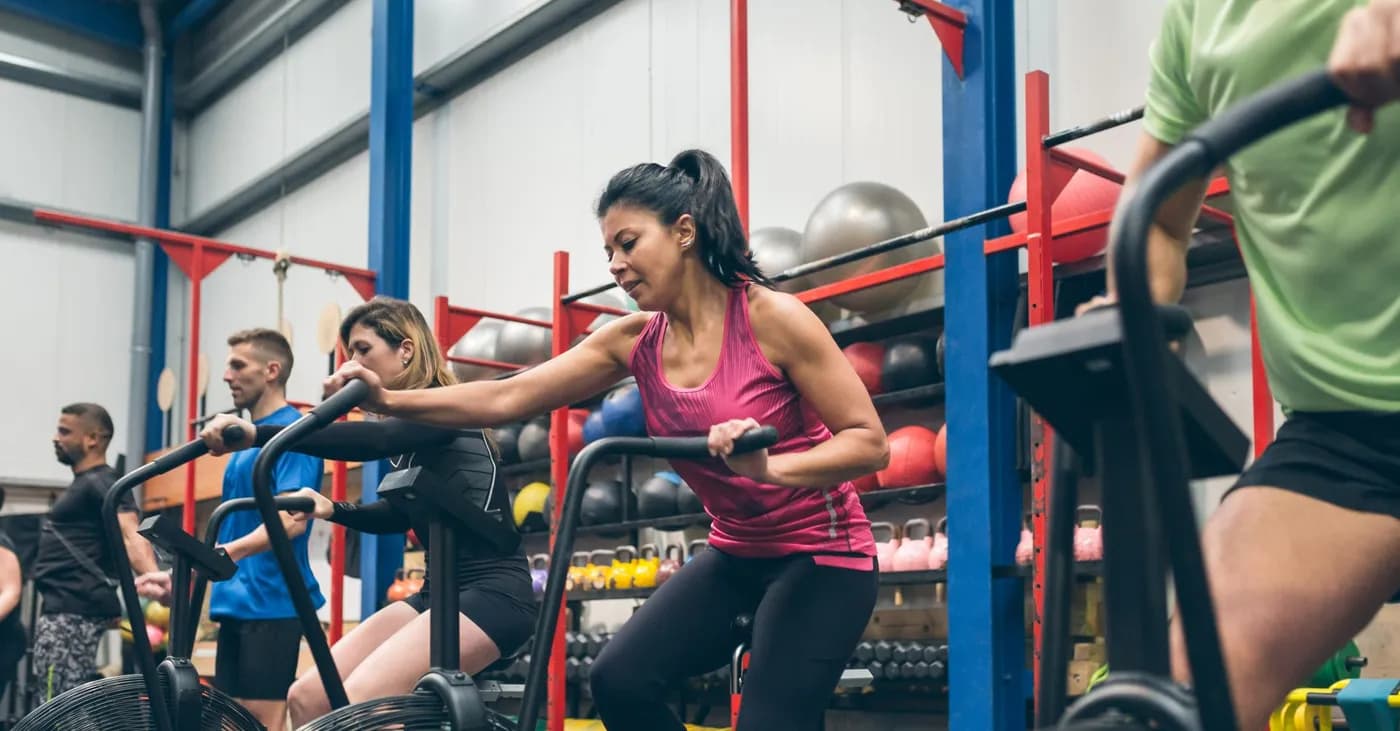
Key Takeaways
- Uses resistance – bodyweight, dumbbells, or bands – to challenge muscles and stimulate growth.
- Works through the ‘afterburn’ effect – burning calories during and after a session.
- Muscle tissue is a primary site of glucose uptake, supporting blood sugar management.
- Rewards showing up regularly, not training perfectly.
- Consistent sessions gradually improve muscle definition without needing heavy gym equipment.
Strength training is a form of exercise that uses resistance — bodyweight, dumbbells, or bands — to challenge muscles and stimulate growth. Done consistently, it builds lean muscle, raises metabolism, supports bone density, and improves overall fitness for people of all ages and experience levels.
Whether you’re a complete beginner wondering what is strength training or someone ready to build a consistent routine, this guide covers everything you need — from core benefits and best exercises to common mistakes and who it’s right for.
10 Benefits of Strength Training
- Builds Lean Muscle Mass Resistance-based training places progressive stress on your muscle fibers, prompting them to adapt and grow over time. Regular sessions gradually improve muscle definition and functional strength, even without heavy gym equipment.
- Boosts Metabolism Muscle tissue burns more calories at rest than fat tissue does. As you build lean mass through consistent training, your resting metabolic rate rises — which means your body works harder for you even on rest days. Explore more about how strength training supports your metabolism through structured daily practice.
- Improves Bone Density Weight-bearing exercises apply healthy stress to bones, stimulating bone-forming cells. Over time, this may help reduce the risk of osteoporosis and supports long-term skeletal health — especially important as you age.
- Enhances Functional Strength Everyday tasks — carrying groceries, climbing stairs, lifting a child — all depend on functional muscular strength. Training your major muscle groups regularly makes these movements feel easier and reduces the chance of everyday injury.
- Supports Fat Loss Strength training for fat loss works because it raises your caloric burn both during and after a session (the “afterburn” effect). Combined with a reasonable diet, it’s a highly effective tool for body recomposition over time.
- Improves Posture and Reduces Back Discomfort A stronger core, back, and shoulder girdle directly support your spine. Many people find that consistent strength work gradually eases postural issues caused by long hours at a desk.
- Enhances Mental Wellbeing Exercise-induced endorphin release from strength sessions can support better mood, lower perceived stress, and improve focus over time — benefits that compound the longer you stay consistent.
- Regulates Blood Sugar Levels Muscle tissue is a primary site of glucose uptake. Regular strength training may help the body manage blood sugar more effectively, making it a valuable complement to care plans for metabolic concerns.
- Increases Energy Levels Counterintuitively, expending energy through training tends to leave you feeling more energetic throughout the day — thanks to improved circulation, better sleep quality, and an optimised hormonal environment.
- Builds Long-Term Consistency Unlike crash diets or extreme fitness challenges, strength training rewards you for showing up regularly, not perfectly. The compound effect of small daily efforts is what drives lasting change.
How to Get Started with Strength Training
What You Need to Begin
The barrier to entry is lower than most people expect. You don’t need a gym membership or a rack of dumbbells on day one. Bodyweight workouts — push-ups, squats, lunges, planks — deliver real training stimulus when performed with proper form and progressive overload.
A yoga mat, a small clear space at home, and 30 minutes a day are enough to get started. As you progress, resistance bands or a pair of light dumbbells can add useful variety.
Setting Realistic Goals
Aim for consistency over intensity at first. Three sessions per week with adequate rest between them is a solid foundation. Trying to train every day without recovery time is one of the most common reasons beginners plateau or give up within weeks.
Set a 4-week goal that is about showing up — not about the number on the scale. Habit formation comes before results, not the other way around.
Start with the Basics
Master the fundamental movement patterns: push (push-up), pull (row), hinge (deadlift variation), squat, and carry. These five patterns cover the entire body and form the backbone of any effective strength programme. Learn them with bodyweight before adding resistance, and your long-term progress will be dramatically safer and more sustainable.
If you want structured guidance from day one, these home-based strength exercises are a great place to build your starting routine.
Best Exercises for Strength Training
Squats
The squat is the single most comprehensive lower-body exercise. It works the quads, hamstrings, glutes, and core simultaneously. Beginners can start with bodyweight squats, aiming for 3 sets of 12–15 reps with controlled form. Keep your chest tall and knees tracking over your toes.
Push-Ups
Push-ups train the chest, shoulders, and triceps while also demanding core stability. They scale easily — knee push-ups for beginners, standard for intermediate, archer or decline push-ups for advanced trainees. Aim for 3 sets of 8–15 reps depending on your level.
Lunges
Lunges develop unilateral leg strength, correcting muscle imbalances between the left and right sides. Forward, reverse, and lateral lunges each emphasise slightly different muscles. Start with 3 sets of 10 reps per leg and focus on a stable landing.
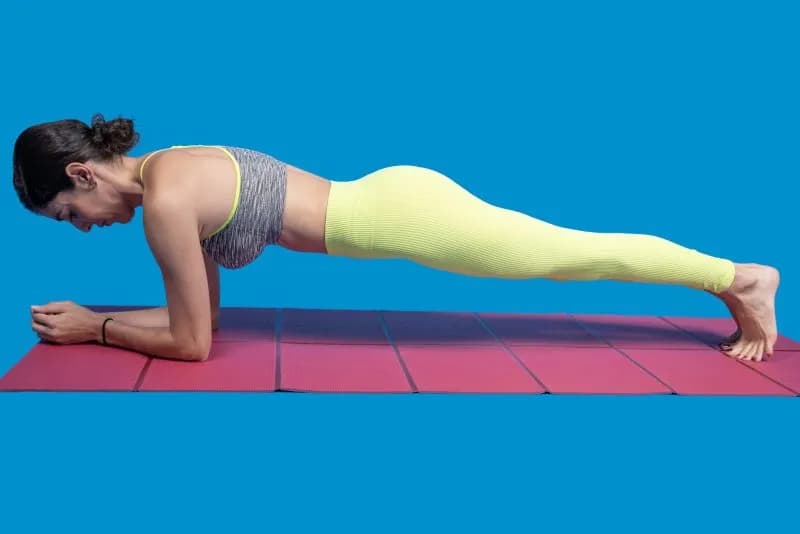
Plank
The plank is the cornerstone of core strength training. It trains the deep stabilising muscles of your trunk without loading the spine. Hold for 20–60 seconds across 3 sets. Progress by extending hold time or adding a shoulder-tap variation.
Dumbbell Rows (or Resistance Band Rows)
Pulling exercises are frequently neglected by beginners. A single-arm dumbbell row or resistance band row builds the upper back, rear deltoids, and biceps — all muscles critical for good posture. Perform 3 sets of 10–12 reps per arm.
Glute Bridges
Lying flat with feet planted, drive your hips toward the ceiling. This isolates the glutes and hamstrings, and also relieves tension in the lower back. Start with 3 sets of 15 reps; progress to single-leg bridges as you get stronger.
Mountain Climbers
A dynamic full-body movement that combines core stability, hip flexor strength, and cardiovascular demand. Perform for 30-second intervals across 3 rounds. They work especially well as a finisher at the end of a session.
Common Mistakes to Avoid
- Poor Form Rushing through reps with sloppy technique is the fastest route to injury and the slowest route to results. Record yourself occasionally or train with a coach to catch form errors early — especially on squats, deadhinge movements, and overhead work. Good form compounds just like good habits do.
- Skipping Warm-Up A 5–10 minute warm-up — light cardio, dynamic stretches, and movement prep — primes your joints and nervous system for the work ahead. Cold muscles and stiff joints under load are far more susceptible to strains and pulls. Never skip it, even on days when you’re short on time.
- Overtraining More is not always more. Muscles grow during recovery, not during the workout itself. Training the same muscle group hard every day without adequate rest prevents adaptation and leads to fatigue, soreness, and eventually a drop in performance. Two to three strength sessions per week with rest or lighter activity in between is plenty for most people.
- Inconsistency Perhaps the most common obstacle: training hard for two weeks, then stopping for three. Strength is built through repeated, regular stimulus over months — not sporadic bursts. A moderate routine practiced consistently outperforms an intense routine practiced occasionally, every single time.
Who Should Try Strength Training?
- Beginners Strength training is one of the most beginner-friendly forms of exercise precisely because progress is visible quickly. Beginners often see noticeable improvements in strength and energy within the first four weeks, which makes it easier to stay motivated. You don’t need to be fit to start — you start to get fit. The beginner’s guide to strength training covers exactly where to begin.
- Women A persistent myth holds that women who lift weights will become bulky. The reality: women have significantly lower testosterone levels than men, which makes dramatic muscle hypertrophy very unlikely without years of dedicated, specialised training. What women do gain from strength training is a leaner, stronger physique, improved bone health, and better hormonal balance. Strength training for women is one of the most evidence-supported approaches to long-term fitness.
- Older Adults After age 30, we naturally lose muscle mass each decade — a process called sarcopenia. Strength training actively counteracts this, preserving functional independence, reducing fall risk, and supporting bone density. If you’re over 50 or have existing joint concerns, begin with low-impact, bodyweight-only movements and consult your doctor before increasing intensity.
- Working Professionals Desk work shortens hip flexors, rounds shoulders, and weakens the posterior chain. A structured strength routine — even three 30-minute sessions per week — can meaningfully address posture imbalances, reduce tension in the neck and lower back, and improve focus and energy throughout the workday.
Build Strength with a Routine That Actually Works
Building strength isn’t about doing random workouts — it’s about consistency, guided progression, and following a plan that adapts as you improve. With the right support, you can train effectively from home and see real, sustainable progress over time.
What You Get with Habuild’s Strong Everyday Program:
- Daily live guided strength sessions with expert trainers
- Beginner-to-advanced progression built into the schedule
- No-equipment and home-friendly workouts
- Form correction and expert guidance to keep you injury-free
- A consistent community to keep you accountable
Complement your strength work with recovery and flexibility sessions through Habuild’s best online yoga classes.
Related reads: Strength Training at Home: Benefits, Exercises & How to Get Started · Strength Training Exercises for Men: Benefits, Best Moves & How to Get Started
Understanding what strength training is matters less than how consistently it gets done — the muscle, metabolism, and bone density benefits described here all depend on resistance training repeated over time, with load that increases as you do. A guided program removes the guesswork of knowing when and how to progress. Strong Everyday turns this foundational knowledge into a structured plan you can actually follow through on.
Frequently Asked Questions
Related Articles
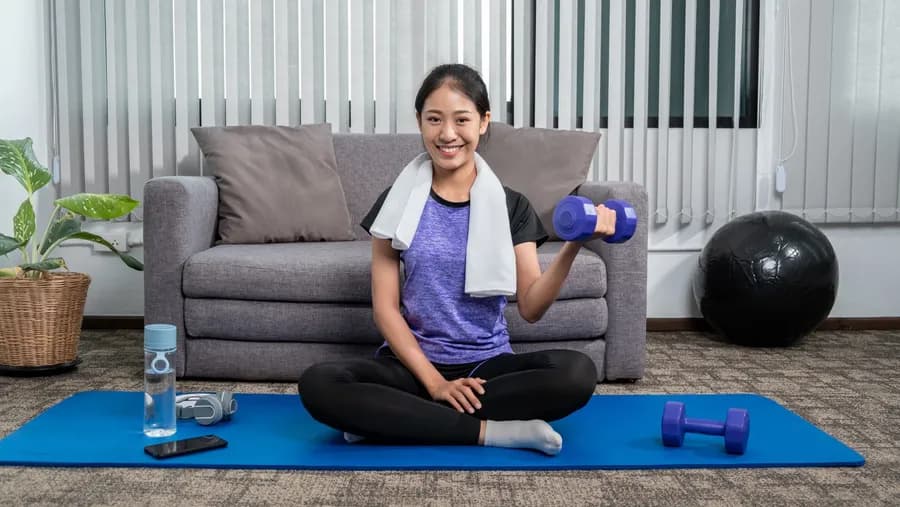
10 Benefits of Strength Training That Go Beyond the Gym
Strength training raises your resting metabolism, improves bone density, supports fat loss, and benefits mental wellbeing — gradually changing how your body feels and performs. See all 10 benefits.
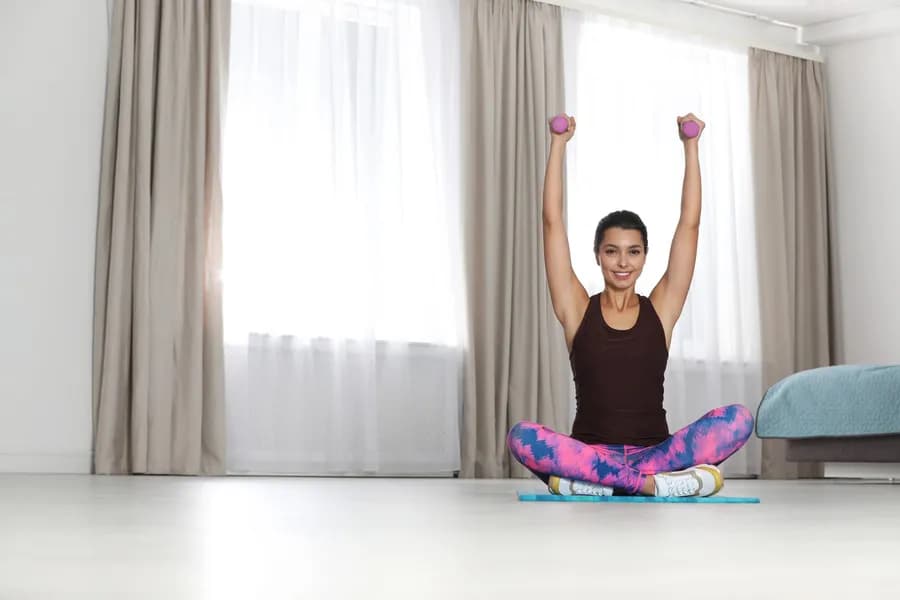
Strength Training for Women at Home: The Complete Guide
With three structured sessions a week, most women notice measurable gains in strength and posture within four to six weeks — using only bodyweight, dumbbells, or bands. See the complete guide.
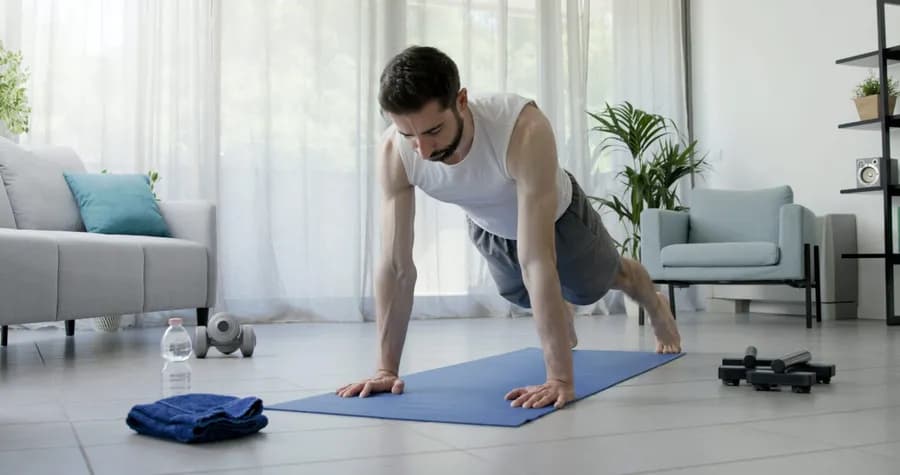
Strength Training Exercises for Men: Benefits, Best Moves & How to Get Started
Progressive resistance training — bodyweight, dumbbells, or bands — builds lean muscle, stronger joints, and better energy from the first week of consistent practice. See the best moves to start with.
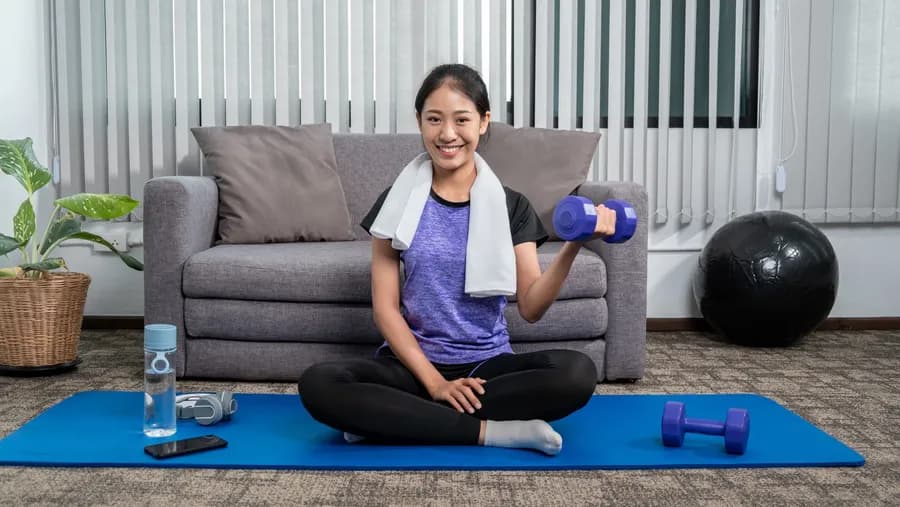
Strength Training Exercises for Women: The Complete Beginner’s Guide
Strength training builds lean muscle, improves metabolism, and supports bone health — consistency, not intensity, is the variable that actually matters. See 10 benefits and how to start.

Strength Training for Older Adults: Benefits, Exercises & How to Start
Resistance exercise two to three times a week helps preserve muscle mass, support bone density, and maintain the functional strength needed for everyday independence, at any age from 50 onwards. See the key benefits and best exercises.
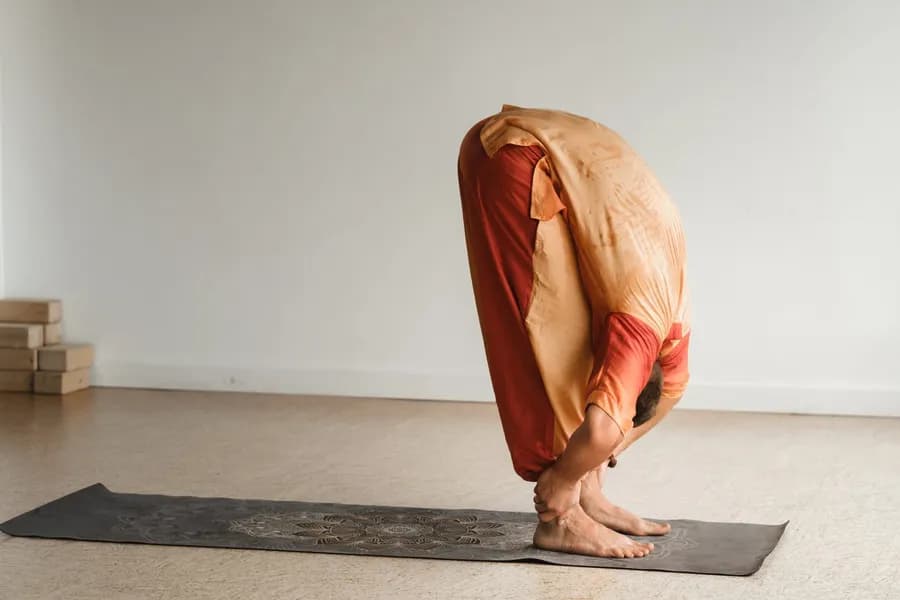
Components of Physical Fitness: What They Are and Why They Matter
Physical fitness isn't one quality — it's a combination of distinct attributes that each contribute to how well your body functions day to day. See all 10 components and why they matter.