Yoga vs Exercise
Join live yoga classes from home with beginner-friendly guidance and expert coaching.
Key Takeaways
- Exercise focuses on calories, muscle, and cardio conditioning
- Yoga combines postures, breathwork, and meditation together
- Yoga delivers mental and emotional benefits exercise often lacks
- Both promise better health but through very different methods
- Helps you pick the approach that matches your goals
What Is Conventional Exercise?
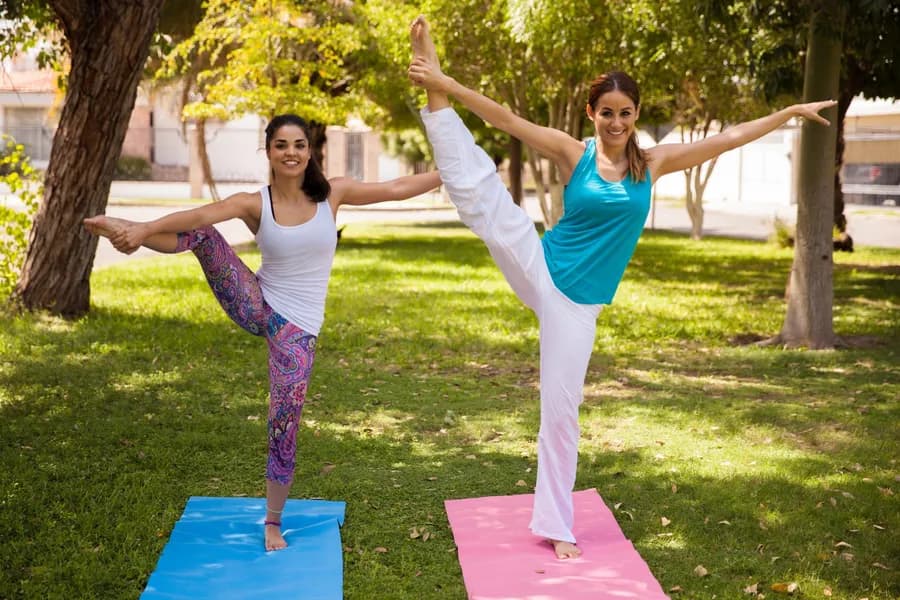
Conventional exercise encompasses gym-based weight training, running, cycling, swimming, HIIT, aerobics, CrossFit, and cardio machines. Most programmes follow structured routines targeting cardiovascular endurance, muscle hypertrophy, or both. The key distinction from yoga: most exercise is purely physical conditioning — no meditation, no breathwork, no mindfulness. Yoga integrates mental health benefits, stress management, and breath control alongside physical postures. Exercise sessions prioritise calorie expenditure, muscular output, and cardiovascular capacity.
Yoga vs Exercise — Weight Loss Comparison
How Many Calories Does Each Approach Burn?
HIIT, running, and weight training burn 400–800 calories/hour — a raw calorie advantage. Power Yoga and Vinyasa burn 300–500 calories/hour through continuous flow. Yoga's breathwork lowers cortisol — the stress hormone directly linked to belly fat storage.
How Does Each Approach Shape Your Body Over Time?
Conventional exercise creates targeted calorie deficits — excellent for rapid initial results. Yoga delivers full-body transformation by combining strength, flexibility, cardiovascular conditioning, and metabolic improvement in every session. Yoga transforms the habits, stress responses, and emotional patterns that drive overeating, not just the calories you burn.
Yoga vs Exercise for Flexibility
Which Approach Improves Flexibility Faster?
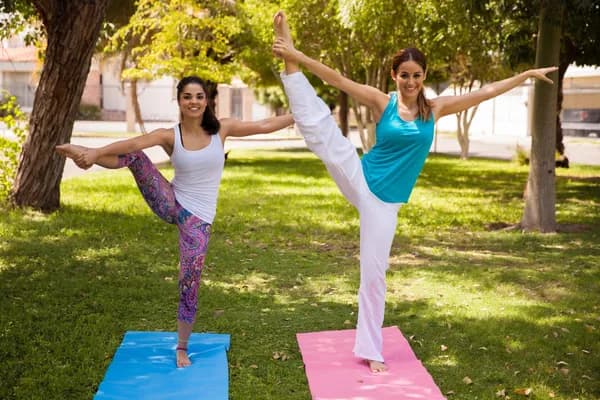
Yoga prioritises deep stretches, extended holds, and full range-of-motion work. Conventional exercise emphasises repetitive movement within limited ranges, often creating tightness. Yoga practitioners consistently achieve superior flexibility, mobility, and joint health.
How Does Each Affect Long-Term Mobility?
Yoga lengthens tight muscles and restores joint range. Conventional exercise shortens muscles over time without dedicated stretching. Yoga gains continue for years; exercise-only flexibility declines without intervention.
When Is Yoga the Better Long-Term Choice?
Yoga provides a more complete, sustainable path to lifelong health. Zero equipment needed — no machines, no gym memberships, just a mat, anywhere, for life. Mental health benefits — breathwork and meditation build resilience against anxiety, depression, and stress-related illness. Greater variety — gentle Restorative, intense Power Yoga, flexibility-focused Yin, strength-building Vinyasa. Conventional exercise builds fitness but lacks the comprehensive wellness framework that makes yoga transformative.
Best Yoga Styles That Compete with Conventional Exercise
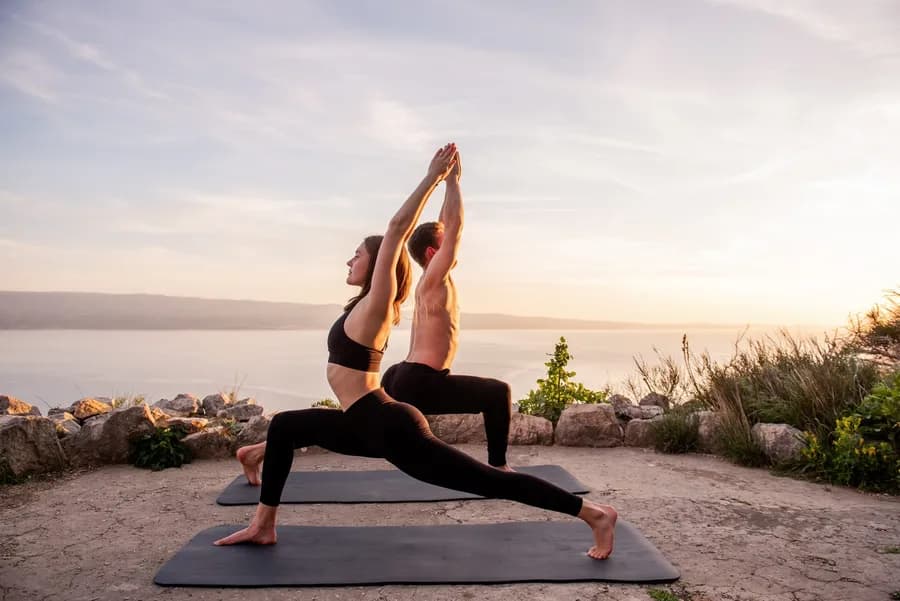
Which Yoga Style Is Closest to Strength Training?
Hatha yoga with core-focused poses (Boat, Plank, Warrior III) delivers deep functional strength with added flexibility and breath awareness — the closest yoga equivalent to structured gym training.
Can Power Yoga Replace a Gym Session?
Yes. Power Yoga offers superior functional strength, stamina, and cardiovascular output without heavy equipment or joint-heavy loading.
Is Vinyasa Flow Intense Enough for Fitness Goals?
Vinyasa's dynamic, athletic flow builds muscular endurance comparable to circuit training while adding cardiovascular fitness and full-body flexibility simultaneously.
How Habuild Live Yoga Compares to Conventional Exercise
Can Live Yoga Match Exercise for Full-Body Strength?
Habuild's sessions build strength, flexibility, balance, and mobility in every class — addressing all fitness dimensions conventional exercise handles separately.
Is Yoga Safer Than Conventional Exercise for Beginners?
Conventional exercise carries injury risk from heavy weights and improper form. Yoga's mat-based practice with live guidance has an extremely low injury rate — the safer choice for beginners and seniors.
Does Habuild Work for All Fitness Levels?
Habuild's beginner-friendly sessions are accessible to everyone regardless of age, fitness level, or flexibility. Modifications are provided in real-time from day one.
Flexible Batch Timing
Choose morning or evening classes and join the slot that suits your day.
Morning
6:30 am - 7:15 am
7:30 am - 8:15 am
8:30 am - 9:15 am

Evening
5pm - 5:45pm
6pm - 6:45pm
7pm - 7:45pm


Choose Your Membership Plan
Continue after the trial with membership options designed for long-term consistency support.
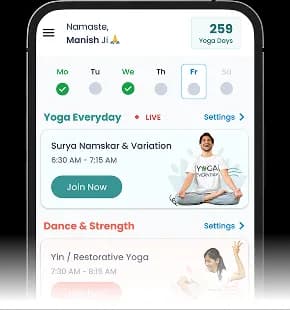
Continue your habit on the Habuild app
Use the Habuild app for reminders, live access, progress support, and habit tracking.