
Strength Training at Home: Benefits, Exercises & How to Get Started
Using just your bodyweight and consistent practice, you can build lean muscle and improve body composition entirely from your living room. See the benefits, exercises, and how to start.
Key Takeaways
- Muscle tissue is metabolically active, so more of it raises resting calorie burn.
- Bodyweight resistance work still signals bones to remodel and gradually improve density.
- Compound movements like squats and rows mimic real-life lifting and carrying patterns.
- Creates an afterburn effect – the body keeps using energy for hours after a session.
- Complements, rather than replaces, medical care for chronic conditions like blood sugar.
Strength training at home is one of the most effective ways to build lean muscle, support fat loss, and improve overall fitness — without a gym. Using just your bodyweight and consistent practice, you can progressively build strength, improve body composition, and develop lasting fitness habits entirely from your living room.
Whether you’re a complete beginner or returning to exercise after a long break, structured home-based strength work delivers real, lasting results when done consistently.
10 Key Benefits of Strength Training at Home
- Builds Lean Muscle Mass Regular resistance-based movement signals your body to build and maintain muscle tissue. Even bodyweight exercises like push-ups and squats, done consistently, create meaningful muscle over time. For a deeper look at how this works, the guide on Strength Training For Muscle Mass is a solid starting point.
- Supports Fat Loss Over Time Muscle tissue is metabolically active — the more you have, the more energy your body uses at rest. Consistent strength training gradually shifts your body composition, helping you manage body fat percentage through regular practice rather than drastic restriction.
- Improves Bone Density Loading your bones through resistance work encourages bone remodelling and may gradually improve bone density — especially important as you age. This benefit is often overlooked but well-supported by exercise research.
- Enhances Functional Strength Exercises like squats, lunges, and rows mimic real-life movement patterns — picking things up, climbing stairs, carrying groceries. Strength training trains your body to handle daily demands with more ease and less fatigue.
- Boosts Metabolism Resistance training creates an afterburn effect where your body continues using energy for hours after a session ends. Over weeks and months, this contributes to a naturally higher resting metabolic rate.
- Improves Posture and Reduces Discomfort Strengthening the core, back, and shoulder muscles addresses muscular imbalances that desk work creates. Many people notice fewer aches and better posture within the first few weeks of consistent training.
- Supports Mental Wellbeing The discipline of a regular training routine has a measurable effect on mood, stress levels, and mental clarity. Consistent movement is one of the most reliable mood-regulating tools available.
- Complements Management of Chronic Conditions Regular strength work supports blood sugar management, cardiovascular health, and mobility — all of which play a role in long-term wellbeing. It complements your existing medical care rather than replacing it.
- Requires No Gym Membership Your own bodyweight is a remarkably effective training tool. A mat, your living room floor, and 30 minutes is all you need to follow a structured, progressive programme.
- Builds Lasting Consistency Training at home removes the friction of commuting. The lower the barrier, the more likely you are to show up daily — and daily practice is what actually creates change.
How to Get Started with Strength Training at Home
What You Need to Begin
Almost nothing. A yoga mat, enough floor space to extend your arms, and comfortable clothing are sufficient for the first several weeks. As you progress, a pair of light resistance bands or dumbbells can add variety — but they’re optional, not mandatory.
If you’re unsure where to begin, Habuild’s Home Workout Without Equipment guide walks you through exactly what’s possible with zero gear.
Setting Realistic Goals
Aim for progress, not perfection. In the first four weeks, your goal is simply to complete each session and learn correct movement patterns. Strength, endurance, and visible changes in body composition typically appear from week six onwards — once the habit is already forming.
Avoid setting volume goals you can’t sustain. Starting with three sessions per week and building from there is more effective than launching into daily hour-long workouts and burning out within two weeks.
Start with the Basics
Five fundamental movement patterns cover the entire body and form the backbone of any beginner programme: a squat, a hinge, a push, a pull, and a core stabilisation hold. Master these before adding complexity. Your form matters far more than the number of reps you complete.
Best Exercises for Strength Training at Home
These seven exercises require no equipment, work multiple muscle groups simultaneously, and are scalable from beginner to advanced.
Squats
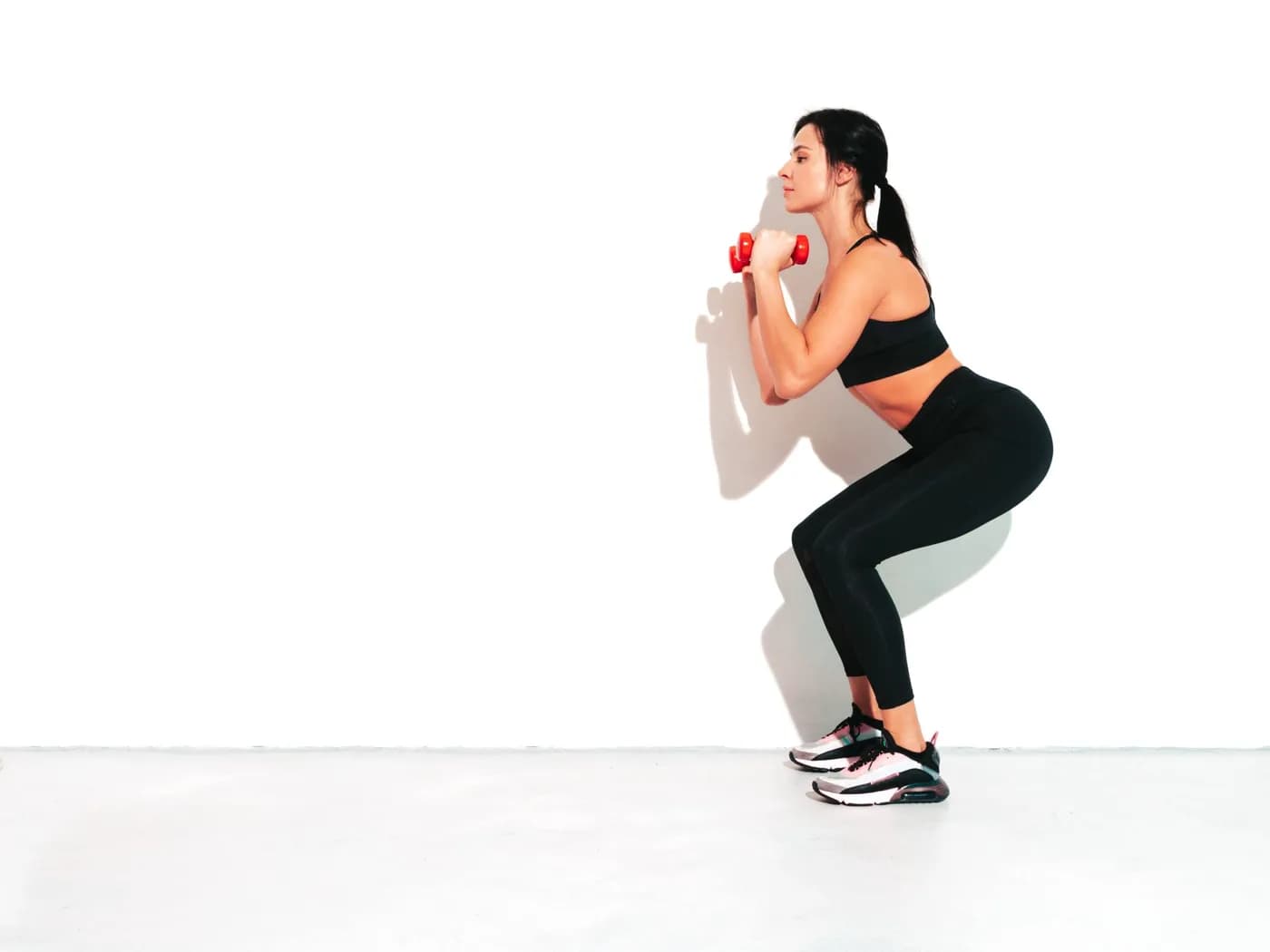
Stand feet shoulder-width apart, lower until your thighs are roughly parallel to the floor, then drive back up through your heels. Start with 3 sets of 10–15 reps. Progress to jump squats or single-leg squats as you get stronger.
Push-Ups
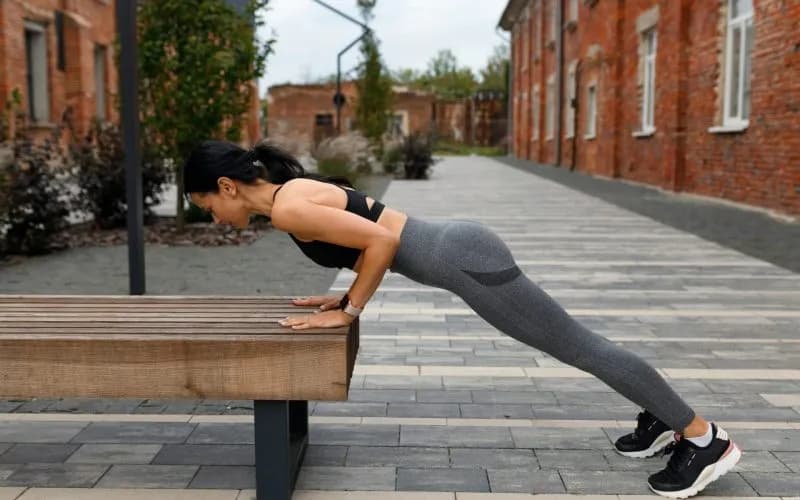
Push-ups train the chest, shoulders, and triceps while also engaging the core. Keep your body in a straight line from head to heel. Begin with knee push-ups if needed, then progress to full push-ups and eventually archer or decline variations. Aim for 3 sets of 8–12 reps.
Lunges
Lunges develop single-leg stability, glute strength, and hip mobility simultaneously. Step forward, lower your back knee toward the floor, then return to standing. Alternate legs. 3 sets of 10 reps per leg is a solid starting target.
Plank
The plank builds deep core stability that supports every other movement you do. Hold a forearm or straight-arm plank, keeping hips level and breathing steadily. Start with 3 holds of 20–30 seconds and work toward 60-second holds. For a focused core progression, explore this Core Strength Routine.
Glute Bridges
Lie on your back with knees bent and feet flat on the floor. Drive your hips upward, squeezing the glutes at the top, then lower slowly. This strengthens the posterior chain — glutes, hamstrings, and lower back — which is often underdeveloped in people who sit for long periods. 3 sets of 15 reps.
Bodyweight Rows (Using a Table Edge)
Lie under a sturdy table, grip the edge, and pull your chest up toward it. This trains the pulling muscles — upper back and biceps — that push-ups leave out. 3 sets of 8–10 reps. Keep your core tight and body straight throughout.
Mountain Climbers
Start in a high plank position and alternate driving your knees toward your chest at a controlled pace. Mountain climbers combine core strength, hip flexor work, and cardiovascular conditioning in a single movement. 3 sets of 30–45 seconds.
Common Mistakes to Avoid
- Poor Form The most common and costly mistake in home training is rushing through reps with incorrect technique. A well-executed squat with full range of motion does more than twice as many shallow, bouncing repetitions. Slow down, watch yourself in a mirror if possible, and actively use instructor cues during live sessions.
- Skipping the Warm-Up Cold muscles are stiffer and more prone to strain. Spend 5–7 minutes on dynamic movement — leg swings, arm circles, hip rotations, and light marching — before your first working set. This primes your nervous system and makes the actual workout feel easier.
- Overtraining More is not always better. Muscle is built during rest, not during the workout itself. Training the same muscle groups every day without recovery time leads to accumulated fatigue, stalled progress, and eventually injury. Two or three full-body sessions per week with rest days in between is sufficient for most beginners and intermediates.
- Inconsistency A brilliant workout done once a month produces no meaningful adaptation. An average workout done three times a week, every week, for three months produces transformative results. The consistency gap is what separates people who see progress from those who don’t — and this applies to Strength Training For Beginners just as much as to experienced athletes.
Who Should Try Strength Training at Home?
- Beginners If you’ve never trained before, home strength work is actually the ideal entry point. There’s no intimidating gym environment, no complex equipment to learn, and you can pause, rewatch, and progress at your own pace. Bodyweight exercises are inherently scalable — every movement can be made easier or harder based on where you are today.
- Women A persistent myth suggests strength training will make women appear bulky. It won’t. Women produce significantly less testosterone than men, which means large-scale muscle hypertrophy simply isn’t the typical physiological outcome. What strength training does produce is improved tone, better posture, stronger bones, and an increased metabolic rate. Learn more about how Strength Training For Women specifically supports your goals.
- Older Adults Resistance training is one of the most well-researched interventions for age-related muscle loss and declining bone density. For adults over 50 or 60, low-impact bodyweight exercises performed with good form may gradually support better mobility, balance, and daily functional capacity. Please consult your doctor before starting if you have existing joint or cardiovascular conditions.
- Working Professionals Desk-bound work creates tight hip flexors, weak glutes, rounded shoulders, and a compressed spine. A 30-minute strength session at home before or after work directly addresses each of these patterns — with zero commute required. Compliance rates for home training are consistently higher among people with demanding work schedules.
Build Strength with a Routine That Actually Works
Building strength isn’t about doing random workouts or chasing a new programme every week. It’s about showing up consistently, following a structured progression, and having expert guidance to ensure you’re moving safely and effectively. The right support system makes all of this possible from your own home.
What You Get with Habuild’s Strong Everyday Program:
- Daily live guided strength and yoga sessions
- Beginner-to-advanced progression built into the schedule
- No-equipment, home-friendly workouts for every session
- Expert guidance to ensure correct form and safe practice
- A supportive community that keeps you consistent
Start Your Strength Training Journey
Enter your details below to get started:
Related reads: What Is Strength Training? Benefits, Exercises & How to Get Started · 5 Best Strength Training Exercises at Home
Lean muscle and better body composition are built through repeated, progressive resistance work — not through the same few exercises done occasionally with no plan behind them. Bodyweight training at home works well precisely because it can be structured, with sets, reps, and progression that build week over week. Habuild’s Strong Everyday program gives that structure a guided format, so your at-home strength training keeps moving forward instead of stalling.
Frequently Asked Questions
Related Articles
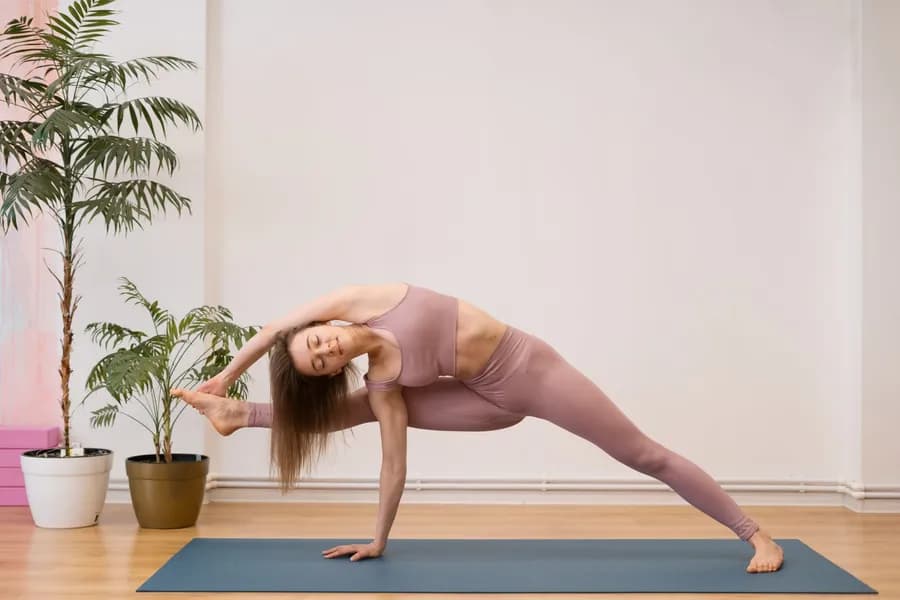
Exercise at Home for Beginners: Your Complete Guide to Getting Started
A simple routine of squats, push-ups, planks, and lunges, done three to four times a week, is enough to produce measurable progress in the first month. See how to get started.

Bodyweight Exercises for Beginners: The Complete Guide to Getting Started
Bodyweight exercises use only your own body mass as the load — no gym, no dumbbells, no machines. See the complete guide to building functional strength and endurance.

Can Strength Training Burn Fat? Here’s How It Works
Building lean muscle raises the calories your body burns even at rest, creating a sustained calorie deficit over time — a different mechanism than cardio alone. See exactly how it works.

Why Is Strength Training Important for Your Health and Life
Strength training builds lean muscle, strengthens bones, boosts metabolism, and improves how your body functions every day. See why it's one of the most evidence-backed investments in long-term health.

Strength Training Kya Hota Hai — पूरी जानकारी हिंदी में
Strength training में मांसपेशियों पर प्रतिरोध डालकर उन्हें मज़बूत बनाया जाता है — बिना उपकरण के घर पर भी संभव। जानें strength training क्या है, इसके फायदे, और शुरुआत कैसे करें।

Fitness Routine for Beginners at Home
A structured routine of bodyweight exercises, stretching, and light cardio — just 20-30 minutes a day with a mat — can build real strength within six to twelve weeks. See how to start.