
Exercise at Home for Beginners: Your Complete Guide to Getting Started
A simple routine of squats, push-ups, planks, and lunges, done three to four times a week, is enough to produce measurable progress in the first month. See how to get started.
Key Takeaways
- A routine of squats, push-ups, planks, and lunges 3-4 times a week shows progress within a month.
- Removing every friction point – no commute, no scheduling – makes daily consistency easier.
- Flexible timing is a top reason beginners stick with home workouts longer than gym routines.
- Desk workers who sit for long hours often develop weak core and back muscles.
- Zero equipment is required to start – bodyweight alone builds real strength.
Exercise at home for beginners means building real strength and consistency using only your bodyweight, in your own space, without any equipment. A simple routine of squats, push-ups, planks, and lunges done three to four times a week is enough to produce measurable progress within the first month of regular practice.
Starting your fitness journey can feel overwhelming, but exercise at home for beginners is one of the most accessible and effective ways to build strength, improve energy, and develop lasting consistency. You don’t need a gym membership, expensive equipment, or hours of free time. This guide walks you through everything you need to know — from the benefits of home workouts to a practical routine you can follow today.
10 Benefits of Home Exercise for Beginners
- Builds a Consistent Daily Habit Working out at home removes every friction point — no commute, no waiting for machines, no scheduling conflicts. When your workout space is just a few steps away, showing up every day becomes far easier. Consistency is the single biggest driver of long-term fitness progress.
- Boosts Metabolism Over Time Regular strength-focused home workouts may gradually support a more active metabolism. As you build lean muscle through bodyweight movements, your body expends more energy even at rest. This effect compounds the longer you stay consistent.
- Improves Bone Density Weight-bearing exercises like squats, lunges, and push-ups apply gentle stress to bones, which may help support bone density over time — especially important for women and adults over 35.
- Enhances Functional Strength Home workouts train the movements your body uses every day — bending, pushing, pulling, and stabilizing. This kind of functional strength training makes everyday activities feel less tiring and reduces injury risk.
- Supports Fat Loss Combined with a reasonable diet, regular home exercise supports gradual fat loss by increasing calorie expenditure and preserving muscle mass. The key isn’t intensity on day one — it’s regular sessions over weeks and months.
- Reduces Stress and Improves Mood Even a 20-minute session of movement can trigger the release of endorphins, which may help you feel calmer and more positive. Many beginners notice improved sleep and reduced daily tension within the first few weeks.
- Improves Posture Desk workers and those who sit for long hours often develop weak core and back muscles. A structured home routine that targets these areas can gradually improve how you carry yourself throughout the day.
- Flexible Around Your Schedule You choose the time — early morning, lunch break, or after dinner. There’s no class to book or gym to travel to. This flexibility is one of the primary reasons beginners stick with home workouts longer than gym routines.
- Zero Equipment Required to Start Your bodyweight is enough to build real strength as a beginner. Push-ups, squats, and planks are highly effective at the start of any fitness journey. Equipment can come later — but it’s never a prerequisite.
- Builds Long-Term Confidence Completing a home workout — even a short one — builds a sense of accomplishment. That small daily win, repeated over weeks, creates genuine confidence in your ability to show up for yourself.
How to Get Started with Exercise at Home
What You Need to Begin
The good news is that you need almost nothing to start. A yoga mat or a clean floor space, comfortable clothing, and a device to follow along are all you require. No dumbbells, no resistance bands, no equipment purchases needed in week one. If you want structured guidance from day one, Habuild’s best exercises for strength at home library is a practical starting point.
Setting Realistic Goals
Beginners often make the mistake of aiming too high too soon — trying to work out seven days a week at full intensity. A far more effective approach is to commit to three or four sessions per week and focus on completing each one rather than making each one perfect. Small, achievable targets build the habit before they build the physique.
Avoid comparing your week-one performance to anyone else’s month-six results. Your goal as a beginner is simply to keep showing up.
Start with the Basics
The most beginner-friendly at home workout plan follows a simple push-pull-legs structure using just your bodyweight. Begin each session with a 5-minute warm-up (marching in place, arm circles, hip rotations), work through 3–4 exercises, and finish with a brief cool-down stretch. Twenty to thirty minutes is plenty for the first few weeks.
Best Exercises for Beginners to Do at Home
Squats
The bodyweight squat is the single most important lower-body exercise for beginners. Stand with feet shoulder-width apart, push your hips back, and lower until your thighs are roughly parallel to the floor. Keep your chest upright. Start with 3 sets of 10–12 reps and build from there. Squats train the glutes, quads, and core simultaneously.
Push-Ups
Push-ups develop chest, shoulder, and tricep strength using nothing but the floor. Beginners can start on their knees to reduce load. Focus on keeping your hips in line — don’t let them sag or pike up. Aim for 3 sets of 8–10 reps. Progress to full push-ups when you can complete knee push-ups with full control.
Reverse Lunges
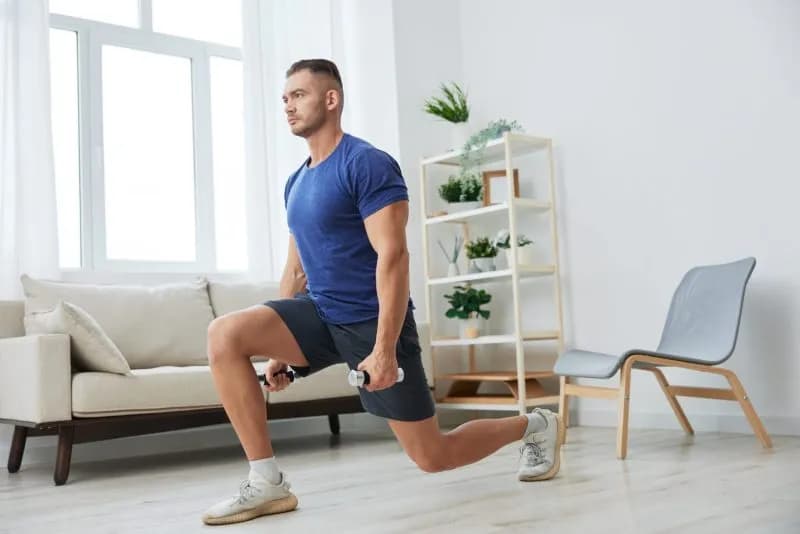
Reverse lunges are easier on the knees than forward lunges and equally effective for building leg and glute strength. Step one foot behind you, lower the back knee toward the floor, then return to standing. Alternate legs for 3 sets of 10 reps per side. This exercise also trains balance and stability. Find a detailed guide in Habuild’s lunges workout resource.
Plank
The plank is the foundation of core strength training for beginners. Hold a forearm plank — elbows under shoulders, body in a straight line — for 20–30 seconds to start. Build to 60 seconds over time. A strong core supports every other movement in your routine and helps prevent lower back discomfort.
Glute Bridges
Lie on your back with knees bent and feet flat on the floor. Drive your hips toward the ceiling, squeezing the glutes at the top, then lower slowly. This exercise activates the posterior chain — glutes, hamstrings, and lower back — which most beginners have underdeveloped from prolonged sitting. 3 sets of 12–15 reps works well.
Mountain Climbers
Mountain climbers add a cardiovascular element to bodyweight training. From a high plank position, drive alternating knees toward your chest in a controlled, rhythmic motion. They train the core, shoulders, and hip flexors while elevating the heart rate. Start with 3 sets of 20 reps (10 per leg) at a manageable pace.
Shoulder Taps
In a high plank, lift one hand to tap the opposite shoulder while keeping your hips as still as possible. This exercise builds anti-rotation core strength — the kind that stabilises your spine during everyday movements. 3 sets of 16 reps (8 per side) is a good starting point.
Common Mistakes to Avoid
- Poor Form Rushing through reps with sloppy technique is the fastest route to frustration and injury. In the beginning, slow down every movement and focus on control. A perfect push-up with a full range of motion is worth far more than ten rushed ones. When in doubt, reduce the reps and prioritise quality over quantity.
- Skipping the Warm-Up A 5-minute warm-up isn’t optional — it prepares your joints, raises your body temperature, and reduces the risk of strains. Simple moves like leg swings, arm circles, and hip rotations take almost no time but make a noticeable difference in how your body feels during and after the session.
- Overtraining in the First Week Motivation is highest at the start, which is exactly when most beginners do too much too soon. Training every day without rest leads to soreness, fatigue, and — very often — quitting by week two. Build in at least two rest days per week. Your muscles grow and recover when you’re not exercising.
- Inconsistency A brilliant workout done once is worthless. A simple at home workout routine done three times a week for three months is transformative. The biggest mistake beginners make is treating exercise as something they do when they feel motivated, rather than a scheduled part of their day. Consistency beats intensity every time.
Who Should Try Home Exercise?
- Beginners If you’ve never trained before or have had long breaks from physical activity, home exercise is ideal. The pace is entirely your own, there’s no intimidation factor, and bodyweight movements are an excellent foundation for any fitness level. Exploring strength training for beginners can help you understand what a structured progression looks like.
- Women Strength-based home workouts are particularly well-suited for women. A common concern is that resistance exercise leads to a bulky appearance — in reality, bodyweight and light resistance training builds lean, functional strength without significant muscle bulk. Regular home training also supports hormonal balance and bone health, both of which become increasingly important for women over 30.
- Older Adults Home exercise can be a safe and effective way for older adults to maintain mobility, support bone density, and preserve muscle mass that naturally declines with age. Low-impact moves like bridges, chair squats, and wall push-ups are highly accessible. Always consult a healthcare provider before starting a new exercise programme if you have existing health conditions.
- Working Professionals For people with demanding work schedules, home workouts remove the biggest barrier to exercise: time. A 25-minute session before or after work requires no commute, no locker room, and no waiting. Many working professionals also find that short daily movement sessions improve focus, reduce afternoon energy crashes, and support better posture after long desk hours.
Build Strength with a Routine That Actually Works
Building strength at home isn’t about doing random workouts whenever motivation strikes. It’s about consistency, structured progression, and having the right guidance to keep you on track. With expert support and a clear plan, real progress from home is absolutely achievable.
What You Get with Habuild’s Strong Everyday Program:
- Daily live guided strength and yoga sessions
- Beginner-to-advanced progression built into the programme
- No-equipment, home-friendly workouts
- Expert guidance to ensure correct form and prevent injury
- A community of members to keep you consistent
If you’re ready to go beyond solo workouts, Habuild’s best online yoga classes complement any strength routine and are included in the programme — a structured, guided way to build mobility and recovery alongside your training.
Start Your Strength Training Journey
Name: ____
Mobile Number: ____
Related reads: Bodyweight Exercises for Beginners: The Complete Guide to Getting Started · Strength Training for Beginners at Home: The Complete Guide
Squats, push-ups, planks, and lunges done three to four times a week is a solid formula — but the measurable progress this guide promises depends entirely on that frequency holding steady past the first few weeks. Left to willpower alone, most home routines fade before they compound. Habuild’s Strong Everyday program keeps that structure and guidance in place so early effort turns into lasting strength.
Frequently Asked Questions
Related Articles
Bodyweight Exercises for Beginners: The Complete Guide to Getting Started
Bodyweight exercises use only your own body mass as the load — no gym, no dumbbells, no machines. See the complete guide to building functional strength and endurance.

Fitness Routine for Beginners at Home
A structured routine of bodyweight exercises, stretching, and light cardio — just 20-30 minutes a day with a mat — can build real strength within six to twelve weeks. See how to start.
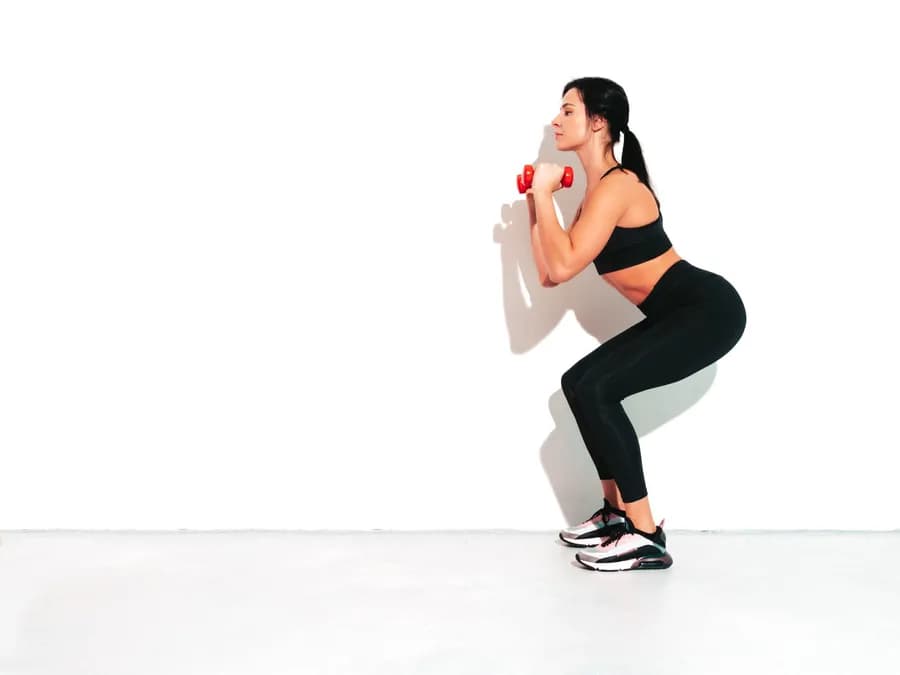
Strength Training at Home: Benefits, Exercises & How to Get Started
Using just your bodyweight and consistent practice, you can build lean muscle and improve body composition entirely from your living room. See the benefits, exercises, and how to start.
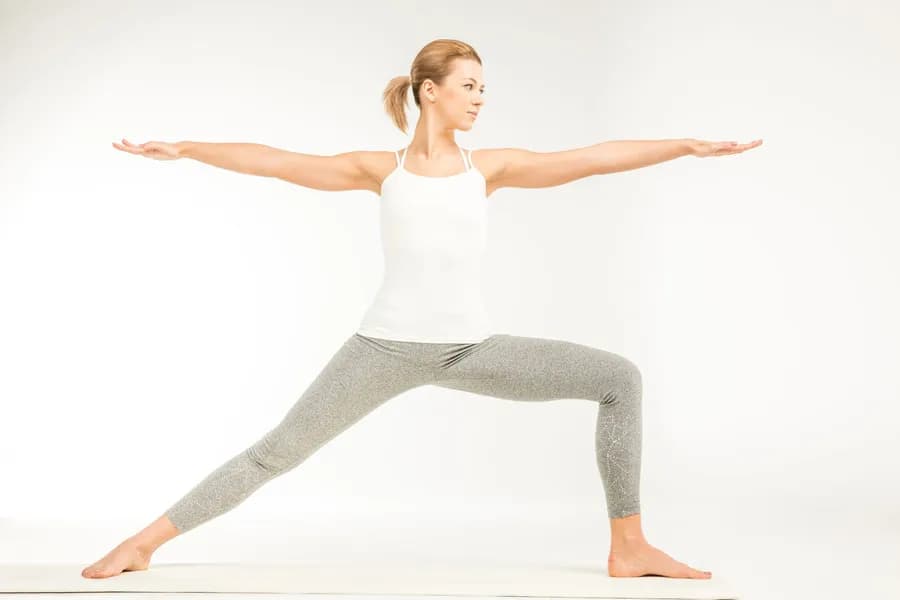
Push Up Variations: The Complete Guide to Building Strength at Home
Push up variations scale from a wall push up for beginners to plyometric and single-arm versions for advanced training — no gym required. See the complete guide.
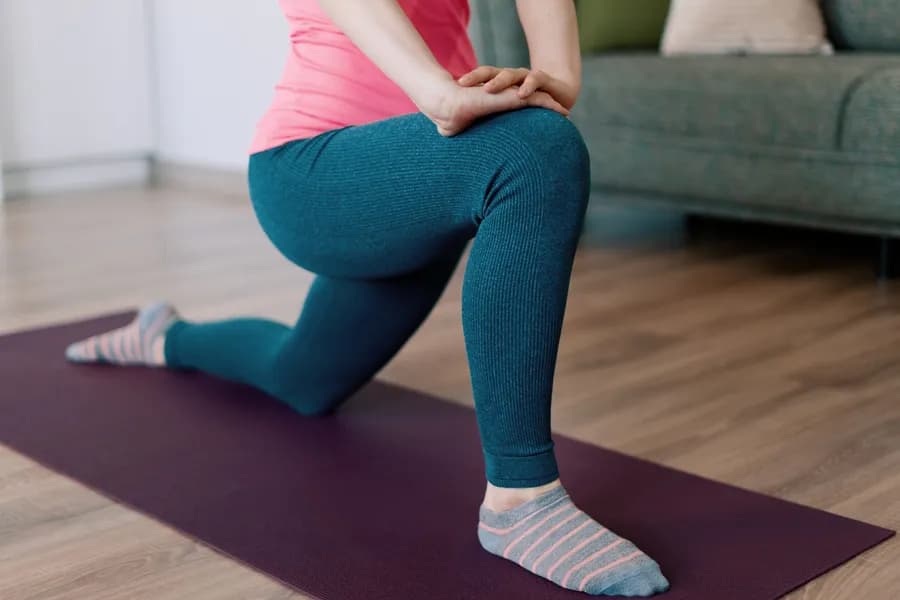
Strength Training Leg Workout: Best Exercises, Benefits & How to Start
Training legs two to three times a week builds functional power, supports fat metabolism, and improves everyday movement, using the largest muscle groups in the body. See the best exercises.