
Static Stretching Exercises: Benefits, Best Poses & How to Get Started
Holding a muscle at the end of its comfortable range for 20-60 seconds without bouncing improves flexibility and eases tension — no equipment needed. See the core benefits and best poses.
Key Takeaways
- Holds a muscle at the end of its comfortable range for 20-60 seconds without bouncing.
- Forms the backbone of most yoga-for-flexibility programs due to its sustainable, gradual pace.
- Static holds encourage the nervous system to release tension gradually throughout the day.
- Holding static positions builds proprioception, directly improving balance and coordination.
- Supports blood flow to tired muscles post-workout, easing the transition into recovery.
- Requires no equipment or space commitment, making it one of the most sustainable daily habits.
Static stretching exercises involve holding a muscle at the end of its comfortable range for 20–60 seconds without bouncing. They improve flexibility, ease muscle tension, support joint health, and can be practised anywhere without equipment — making them one of the most accessible habits you can build into daily life.
Whether you are winding down after a workout or building a morning mobility routine, holding a stretch gives your muscles the time they need to gradually lengthen and relax. This guide covers the core benefits, best poses, common mistakes, and who can benefit most from static stretching exercises.
7 Benefits of Static Stretching Exercises
- Improves Flexibility Over Time Holding stretches consistently — rather than bouncing or rushing — allows muscle fibres to adapt and lengthen at a sustainable pace. Over several weeks of regular practice, you will notice a meaningful improvement in your range of motion. This is why static stretching forms the backbone of most yoga for flexibility programmes.
- Reduces Muscle Tension and Discomfort Prolonged sitting, repetitive movements, and stress all cause muscles to tighten. Static holds encourage the nervous system to release that tension gradually, leaving you feeling less stiff and moving more freely throughout the day.
- Supports Better Posture Tight hip flexors, hamstrings, and chest muscles pull the spine out of alignment. Stretching these areas regularly supports the body's natural upright posture — reducing the hunching and forward-head position that develops from desk work.
- Calms the Nervous System Slow, sustained stretching activates the parasympathetic nervous system — the body's rest-and-digest response. This is why a gentle stretching session at night often feels so settling. The breath naturally slows, and the mind follows.
- Enhances Balance and Body Awareness Holding static positions requires focus and subtle muscular engagement. Over time, this builds proprioception — your sense of where your body is in space — which directly improves balance and coordination.
- Aids Recovery After Exercise Post-workout static stretching supports blood flow to tired muscles and signals the body that the intense phase of exercise is over, helping you transition to recovery more smoothly.
- Builds Consistency Through Low-Barrier Practice Static stretching requires no equipment, very little space, and can be done at any time of day. This makes it one of the most sustainable daily habits — particularly when combined with guided sessions from an expert instructor.
How to Get Started with Static Stretching Exercises
What You Need to Begin
Almost nothing. A yoga mat or a clean, non-slip floor surface is ideal. Wear comfortable, non-restrictive clothing that allows your hips, hamstrings, and shoulders to move freely. No weights, bands, or equipment are needed.
Setting Realistic Goals
Flexibility does not change overnight. Begin with 10–15 minutes daily, holding each stretch for 20–45 seconds without forcing the position. Focus on showing up consistently rather than pushing aggressively. Most people notice gradual improvement in ease and range within 3–4 weeks of daily practice.
Start with the Basics
Choose three to five poses that address the areas where you feel most tight — typically the hamstrings, hip flexors, chest, and lower back. Breathe slowly throughout each hold and avoid locking the joints. If a stretch produces sharp pain rather than a gentle pull, ease back immediately. Yoga for beginners is an excellent starting point for building a safe, progressive routine.
Best Static Stretching Exercises (Poses)
Tadasana (Mountain Pose)
Stand tall with feet hip-width apart, spine long, and arms resting at your sides. Engage your thighs gently and press through all four corners of your feet. Breathe deeply and hold for 30–45 seconds. Though it appears simple, Tadasana trains postural alignment and body awareness at a foundational level. Learn more about the Mountain Pose Benefits and how to practise it correctly.
Adho Mukha Svanasana (Downward-Facing Dog)
From a plank position, lift the hips up and back to form an inverted V-shape. Press your heels gently toward the floor and lengthen through the spine. This pose stretches the hamstrings, calves, and the entire posterior chain while opening the shoulders. Hold for 30–60 seconds, breathing steadily.
Paschimottanasana (Seated Forward Fold)
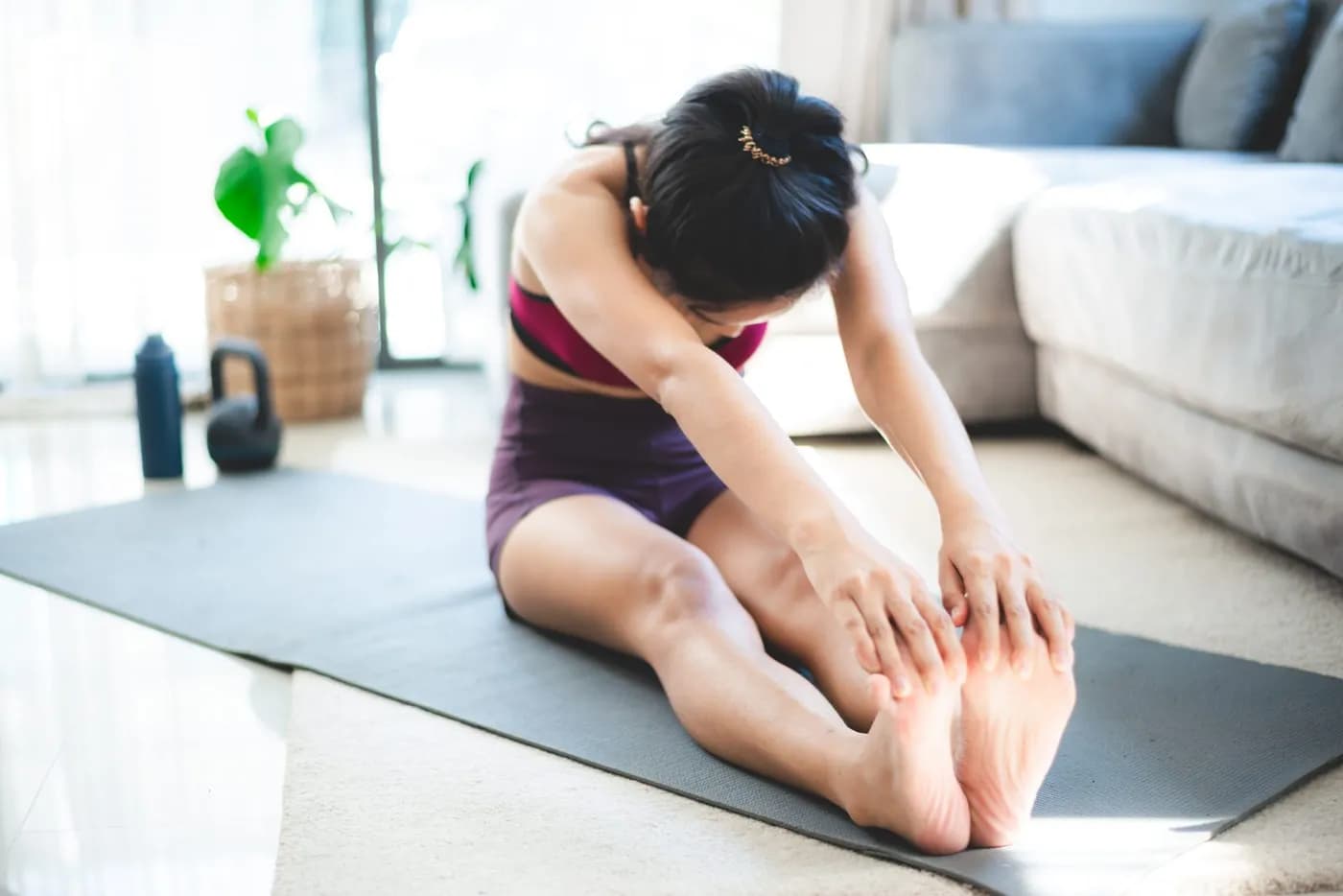
Sit with legs extended and spine tall. On an exhale, hinge forward at the hips — not the waist — and reach toward your feet. Allow the back to lengthen rather than round sharply. This is one of the most effective static stretches for the hamstrings, lower back, and calves. Hold for 30–60 seconds. Discover the full Paschimottanasana Benefits for your practice.
Balasana (Child's Pose)
Kneel and sit back onto your heels, then fold forward and extend your arms along the floor. This passive stretch releases tension in the lower back, hips, and thighs while encouraging slow, diaphragmatic breathing. Hold for 45–90 seconds and return to it whenever you need to reset during a session.
Bhujangasana (Cobra Pose)
Lie face down, place your palms under your shoulders, and slowly lift the chest while keeping the elbows slightly bent and the lower body grounded. This pose stretches the chest, abdominal muscles, and hip flexors — areas that tend to shorten from prolonged sitting. Hold for 20–30 seconds and lower down slowly.
Trikonasana (Triangle Pose)
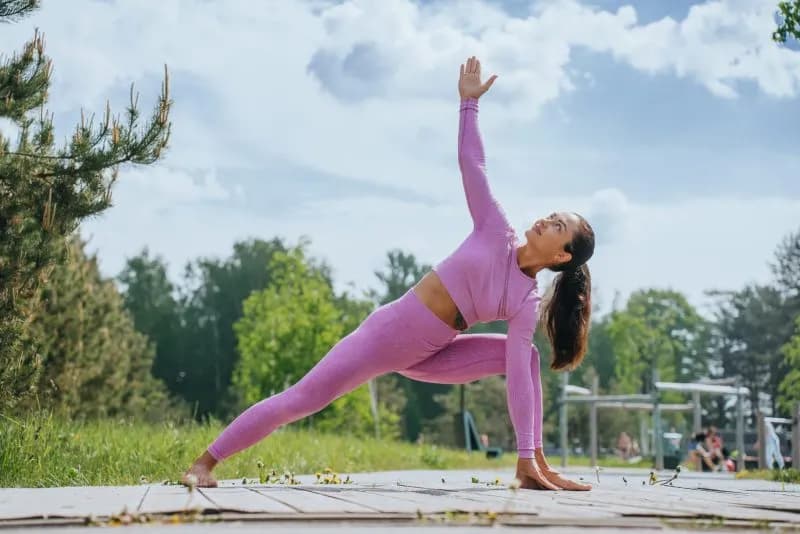
Stand with feet wide apart, one foot turned out 90 degrees. Extend the same-side arm down toward the shin and the opposite arm upward, creating a long lateral line through the torso. This stretches the inner thighs, hamstrings, and side body simultaneously. Hold for 30–45 seconds on each side.
Baddha Konasana (Butterfly Pose)
Sit with the soles of your feet pressed together and knees falling out to the sides. Sit tall and allow the inner thighs to open gently without forcing the knees down. This is an excellent static stretch for the groin and hip adductors. Hold for 45–60 seconds and breathe into the inner thigh area.
Common Mistakes to Avoid
- Skipping a Warm-Up Cold muscles are less pliable and more prone to strain. Do five to ten minutes of gentle movement — a light walk, slow joint rotations, or a few rounds of Surya Namaskar — before moving into static holds. This raises tissue temperature and prepares the nervous system for deeper stretching.
- Holding Your Breath During Poses Many people unconsciously brace and hold their breath when they feel an intense stretch. This increases muscular tension rather than reducing it. Keep the breath slow and continuous throughout every hold — an exhale at the deepest point often allows the body to release a little further.
- Forcing Into Advanced Positions Too Soon Pushing aggressively into a deeper range triggers the muscle's protective stretch reflex, causing it to contract rather than lengthen. Work within a range that feels like a moderate, steady pull — not a sharp or burning sensation. Progress happens gradually over weeks and months, not in a single session.
- Inconsistent Practice Stretching twice a week and then taking ten-day breaks produces very little lasting change. Even 10–15 minutes daily is far more effective than a long session once a week. Building this into a guided daily programme removes the guesswork and keeps you on track.
Who Should Try Static Stretching Exercises?
- Beginners Static stretching is one of the safest and most forgiving entry points into physical practice. There is no need for prior experience, special equipment, or high fitness levels. Beginners can start with simple poses like Child's Pose and seated forward folds and build gradually from there.
- Women Hormonal fluctuations can affect joint laxity and muscle tension at different points in the cycle. Regular static stretching supports hip health, relieves lower back tightness, and complements overall wellbeing — particularly when combined with breathwork and mindful movement.
- Older Adults Maintaining range of motion and joint mobility becomes increasingly important as we age. Gentle static stretching supports functional movement and reduces stiffness. If you have a specific joint condition, consult your doctor before beginning a new stretching routine.
- Working Professionals Hours at a desk create predictable patterns of tightness — hip flexors shorten, the chest closes, and the upper back rounds. A short static stretching routine before or after work directly counteracts these effects, supporting better posture and reducing end-of-day tension.
Build Flexibility with a Routine That Actually Works
Improving flexibility through static stretching exercises isn't about an occasional long session — it's about showing up daily with a structure that progressively builds your range of motion and helps you move better over time. With the right guidance, you can practise effectively from home and see real, gradual progress.
What You Get with Habuild's Yoga Everyday Programme:
- Daily live guided yoga and stretching sessions
- Beginner to advanced progression — no experience needed
- No equipment and fully home-friendly practice
- Expert guidance to ensure safe alignment and correct form
- Community support to help you stay consistent day after day
Start Your Stretching Journey
Related reads: Dynamic Stretching Exercises: Benefits, Poses & How to Get Started · Desk Stretching Exercises: Best Poses to Ease Stiffness at Work
Flexibility is one of the slowest-changing aspects of fitness, which is exactly why static stretching works best as a regular practice rather than an occasional fix. The muscles that resist a 20-second hold today loosen up gradually with repetition over weeks. Habuild's Strong Everyday program can help anchor that repetition inside a structured daily training routine rather than leaving it to memory.
Frequently Asked Questions
Related Articles
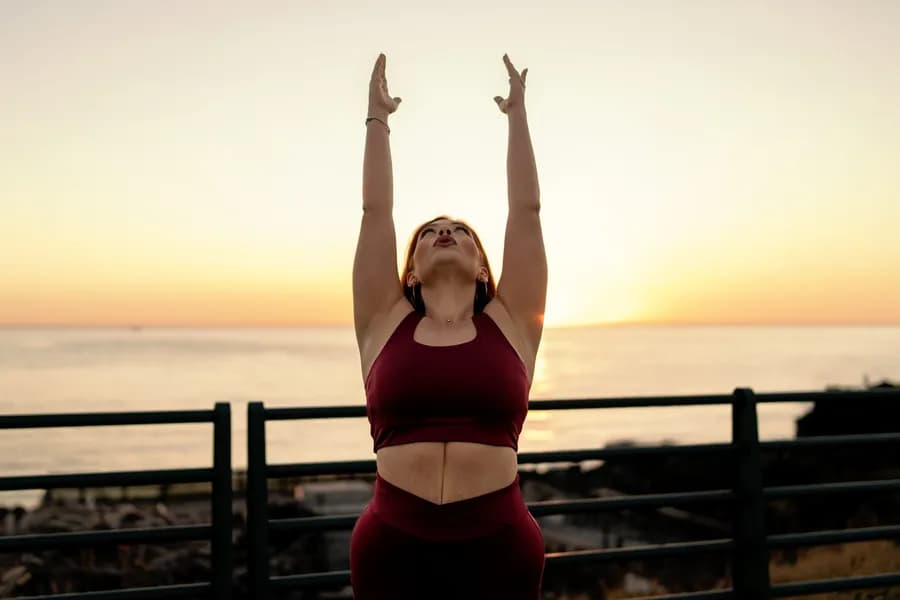
Dynamic Stretching Exercises: Benefits, Poses & How to Get Started
Controlled, flowing movements take muscles and joints through their full range of motion before activity, reducing injury risk. See the poses and how to build them into your warm-up.
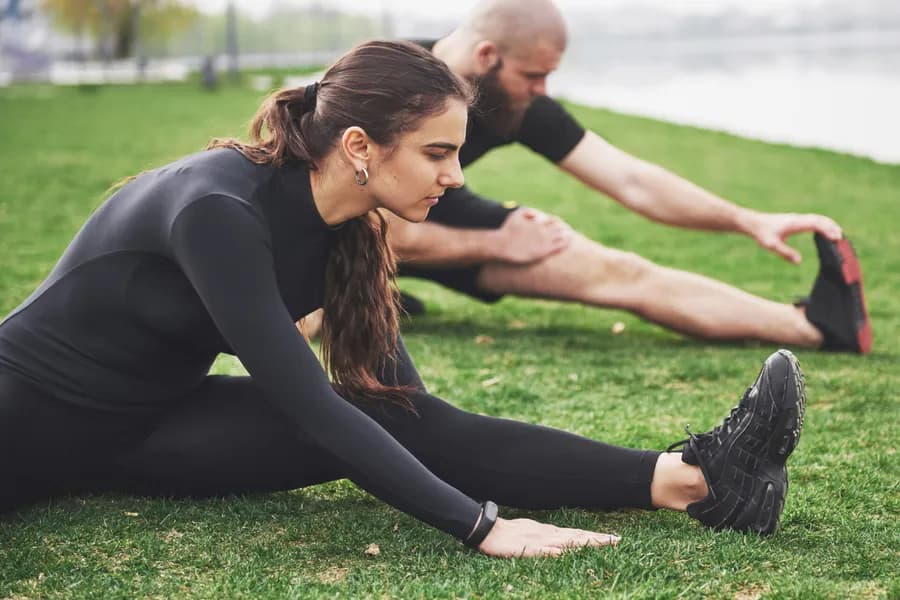
Stretching Exercises Before Workout: Your Complete Warm-Up Guide
Dynamic movements raise muscle temperature and prepare the nervous system for activity — a structured 8-12 minute routine reduces injury risk and improves performance. See the complete warm-up guide.
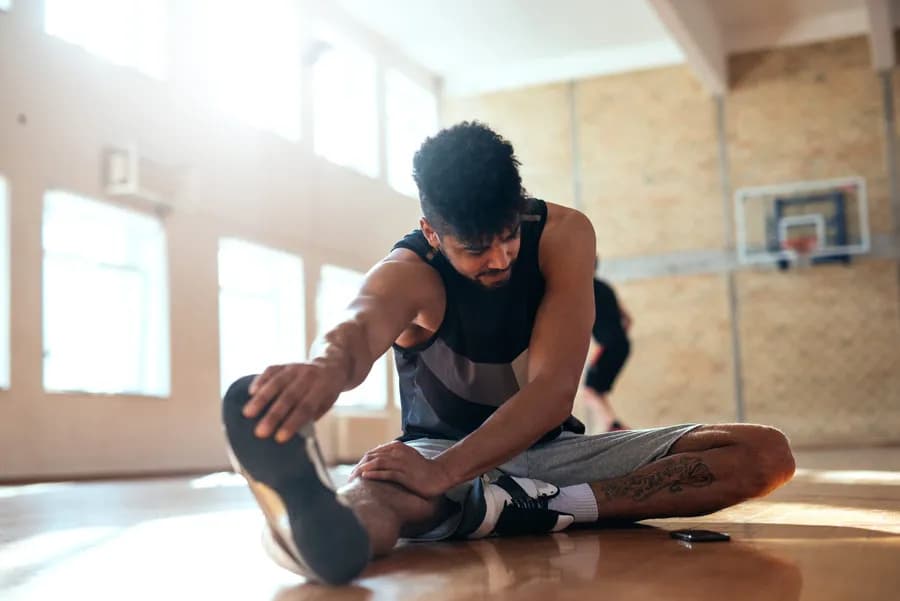
Morning Stretching Exercises: Build Flexibility and Start Your Day Right
Gentle movements right after waking release overnight muscle tightness and lubricate joints, targeting the spine, hips, hamstrings, and shoulders in 10-20 minutes. See the full routine.
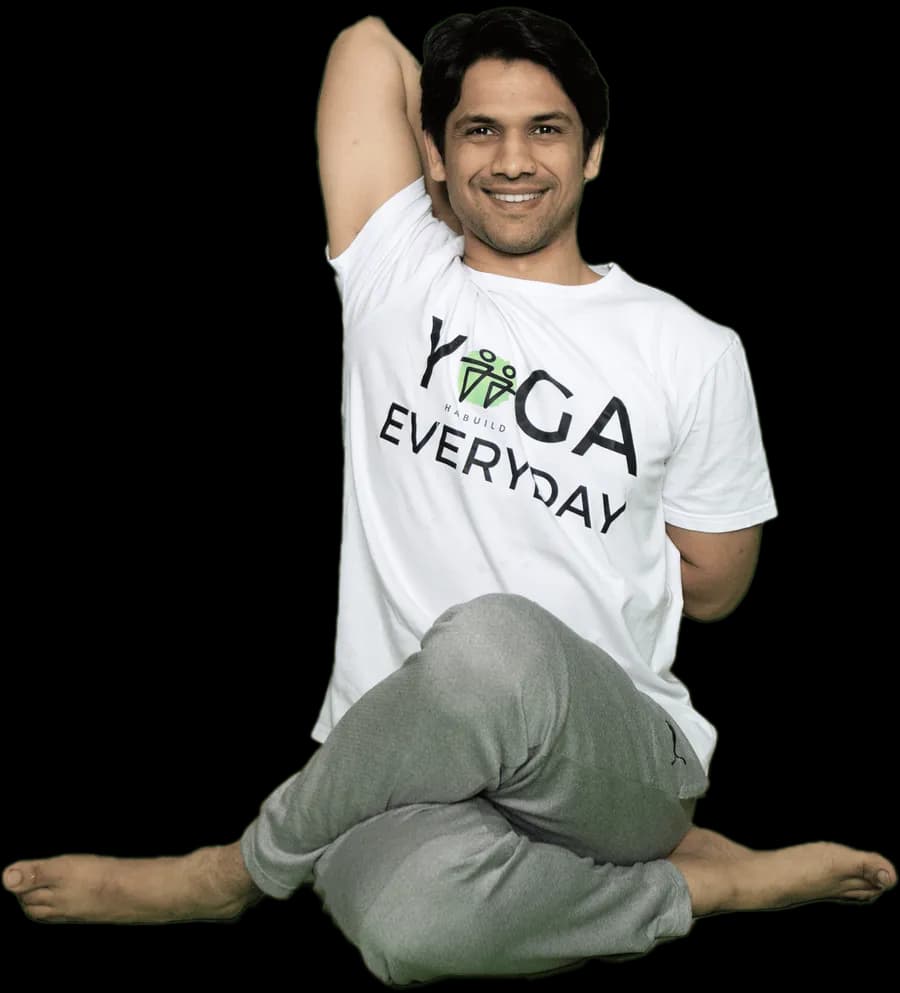
Pre Workout Stretches: Best Poses to Do Before Exercise
A focused 8-10 minute routine of dynamic or static movements warms up muscles and reduces injury risk before running, lifting, or yoga. See the best poses to do before exercise.
Post Workout Stretches: Best Poses, Routines & Common Mistakes
Slow, sustained holds of 20-45 seconds help muscles return to their resting length after exercise — winding the body down, not up. See the best poses and common mistakes.