
Dynamic Stretching Exercises: Benefits, Poses & How to Get Started
Controlled, flowing movements take muscles and joints through their full range of motion before activity, reducing injury risk. See the poses and how to build them into your warm-up.
Key Takeaways
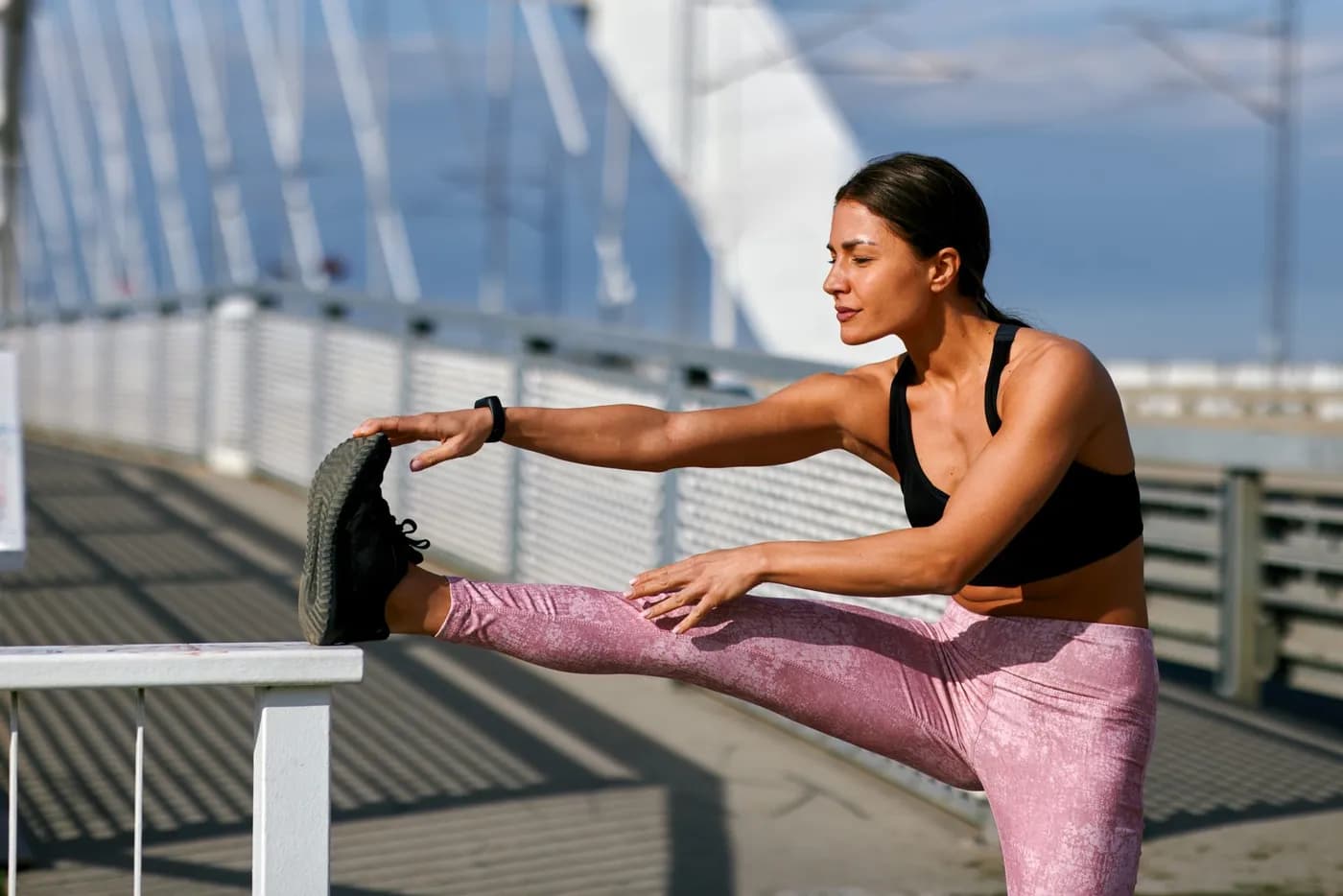
- Controlled, flowing movements take muscles through full range of motion before activity.
- Increases blood flow and tissue temperature, making muscles more pliable before a workout.
- Sends activation signals to muscles, helping the body respond faster and coordinate better.
- Research shows dynamic warm-ups outperform static stretching for sprint speed and jump height.
- Feels energising rather than tiring, making it easier to actually show up daily.
- Bridges the gap between passive recovery and intense effort in both yoga and strength training.
Dynamic stretching exercises are controlled, flowing movements that take muscles and joints through their full range of motion before activity. They improve active flexibility, reduce injury risk, and support better posture — making them one of the most practical warm-up and daily mobility tools available for beginners and experienced practitioners alike.
Dynamic stretching exercises are one of the most effective ways to prepare your body for movement, improve range of motion, and build lasting flexibility over time. Unlike static holds, dynamic stretches involve controlled, flowing movements that gently warm up the muscles and joints before a workout — or even as a standalone morning practice. Whether you are completely new to movement or looking to upgrade your existing routine, this guide covers everything you need to know about dynamic stretching and how to practise it consistently at home.
7 Key Benefits of Dynamic Stretching Exercises
- Improves Active Flexibility Dynamic stretching builds flexibility through movement, not passive holding. Over time, regular practice trains your muscles to move through their full range confidently — which translates directly into better performance in yoga, sports, or daily activities.
- Reduces Risk of Injury Moving joints and muscles through controlled motion before exercise increases blood flow and tissue temperature. This makes muscles more pliable and joints more lubricated, reducing the likelihood of strains and pulls during any physical activity that follows.
- Activates the Nervous System Dynamic movements send activation signals to the muscles you are about to use. This neuromuscular priming means your body responds faster, coordinates better, and performs with more precision — particularly important for activities like yoga flows, running, or strength training.
- Supports Better Posture Many people carry tightness in the hips, chest, and upper back from prolonged sitting. A consistent dynamic stretching practice gradually eases these restrictions and helps the spine and shoulders settle into a more natural, upright alignment throughout the day.
- Enhances Athletic Performance Research consistently shows that dynamic warm-ups outperform static stretching as a pre-activity routine. Athletes who include dynamic stretching see measurable improvements in sprint speed, jump height, and agility compared to those who skip warming up altogether.
- Builds Daily Consistency Because dynamic stretches feel energising rather than tiring, they are far easier to show up for every single day. This is the consistency gap that most people miss — a practice that feels good to do is one you will actually do. If you are exploring yoga for flexibility as a complementary path, dynamic stretching is the perfect foundation to build on.
- Complements Both Yoga and Strength Training Dynamic stretching sits naturally at the intersection of yoga and athletic training. It bridges the gap between passive recovery and intense effort, making it a versatile addition whether you practise yoga every day or follow a structured workout plan.
How to Get Started with Dynamic Stretching Exercises
What You Need to Begin
The good news: dynamic stretching requires almost nothing. A yoga mat or a clear patch of floor is ideal, though many movements can even be done on carpet. Wear comfortable, non-restrictive clothing that allows your legs and arms to move freely. No equipment is needed.
Setting Realistic Goals
Start with just 8 to 12 minutes each morning. The goal in the first two weeks is not maximum range of motion — it is simply showing up. Consistency over intensity is what produces visible improvement in flexibility and joint health. Once the habit is established, you can gradually extend sessions or add more challenging movements.
Start with the Basics
Begin with large, slow movements — leg swings, arm circles, hip rotations — before progressing to more coordinated sequences. Focus on breathing continuously throughout every movement. Holding your breath during dynamic stretches is the single most common mistake beginners make, and it significantly reduces the benefit. Exploring structured yoga for beginners alongside this routine can help you deepen your understanding of breath-movement coordination.
Best Poses for Dynamic Stretching Exercises
Tadasana Flow (Mountain Pose with Arm Sweeps)
Stand tall with feet hip-width apart. On each inhale, sweep both arms overhead; on each exhale, bring them back to your sides. This simple movement wakes up the spine, opens the chest, and establishes breath rhythm before more vigorous movements begin. Repeat 8 to 10 times.
Adho Mukha Svanasana Transitions (Downward Dog Walk-Outs)
From a standing position, hinge forward, walk hands out to a Downward Dog, pedal the heels alternately for five counts, then walk hands back to standing. This sequence dynamically stretches the hamstrings, calves, and spine simultaneously while also building shoulder stability. For more detail on form, see this guide to Adho Mukha Svanasana.
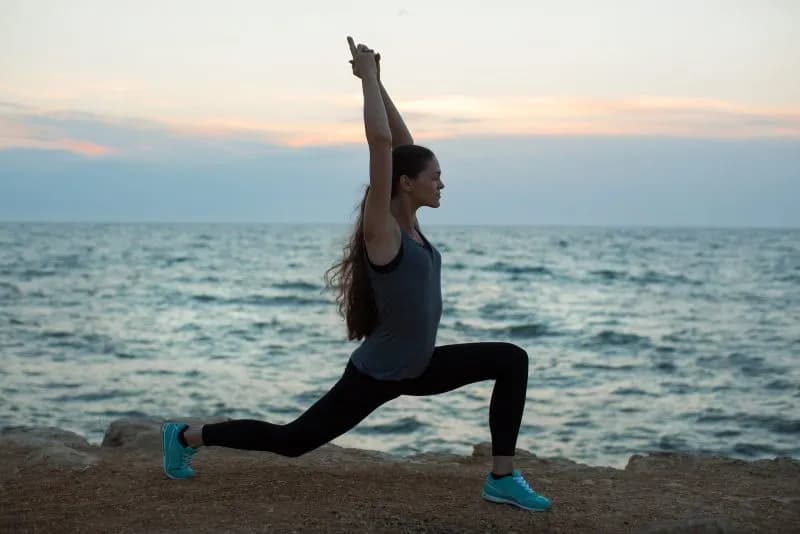
Virabhadrasana Lunges (Warrior Lunge Flow)
Step one foot forward into a lunge, lower the back knee, then rise back to standing and repeat on the other side. Moving rhythmically between both sides opens the hip flexors and quadriceps in an active, controlled way — far more effective as a warm-up than a passive lunge hold. Keep the front knee tracking directly over the ankle.
Balasana to Cobra Transition (Child’s Pose to Upward Dog)
Begin in Child’s Pose (Balasana) with arms extended forward. Inhale as you sweep the chest through and lift into a Cobra or low Upward Dog shape; exhale back into Child’s Pose. This fluid spinal wave mobilises every vertebra in the back and gently opens the hip flexors, making it one of the most valuable dynamic sequences you can practise daily.
Bhujangasana Pulses (Cobra Pulse)
Lying face down, place hands under the shoulders and gently pulse the chest up and down in rhythm with your breath — rising slightly on the inhale, lowering on the exhale. Rather than holding the peak position, the movement keeps the spinal extensors engaged without compressing. This is a safe, effective way to warm up the lower back before any seated or forward-folding work.
Hip Circle Flows (Standing Hip Rotations)
Stand with feet shoulder-width apart and hands on hips. Draw large, slow circles with your hips — five clockwise, five counter-clockwise. This movement specifically targets the hip joint capsule, which is often stiff from prolonged sitting. It directly supports the dynamic range of motion needed for poses like Warrior and Pigeon.
Paschimottanasana Swings (Seated Forward Fold Bounces)
Sit with legs extended. On each exhale, reach gently toward your feet, allowing a natural bounce — never forcing. On each inhale, lift slightly back. This rhythmic motion lengthens the hamstrings through active motion rather than passive tension, which is what distinguishes a dynamic stretch from a static one. Avoid rounding the lower back aggressively.
Common Mistakes to Avoid
- Skipping the Warm-Up Before the Warm-Up Dynamic stretching is a warm-up, but it still benefits from a gentle transition — even just two minutes of slow walking in place or easy arm swings. Jumping straight into wide leg swings or deep lunge flows on cold muscles can lead to the very discomfort you are trying to prevent.
- Holding Breath During Poses Breath is what separates an effective dynamic stretch from an effortful static one. If you find yourself holding your breath during any movement, it is a clear signal to slow down the pace or reduce the range of motion. Continuous nasal breathing throughout keeps the nervous system calm and the muscles receptive to lengthening.
- Forcing into Advanced Poses Too Soon Dynamic stretching should feel like smooth, flowing movement — never a push or a pull. If a movement requires you to grip, jerk, or strain to reach the end range, you have gone too far. Work at 70 to 80 percent of your maximum range and let consistency do the work of expanding mobility over weeks, not sessions.
- Inconsistent Practice A ten-minute dynamic routine done every day will deliver more visible flexibility improvement than a forty-minute session twice a week. The body adapts to repeated, regular signals — not occasional intensity. This is the most overlooked principle in stretching, and it is why building a daily habit matters far more than any single workout.
Who Should Try Dynamic Stretching Exercises?
- Beginners Dynamic stretching is an ideal entry point for anyone who has never exercised regularly. The movements are low-impact, require no equipment, and can be scaled to any level of current mobility. There is no “too stiff to start” — in fact, the stiffer you feel, the more benefit you are likely to notice in the first few weeks of consistent practice.
- Women Dynamic stretching supports hormonal balance by reducing physical tension that accumulates during sedentary work. For women dealing with period pain, lower back tightness, or hip stiffness, a gentle daily flow of dynamic movements may gradually ease discomfort when practised regularly as part of a broader wellness routine.
- Older Adults Joint mobility naturally decreases with age, and dynamic stretching is one of the safest, most evidence-supported ways to support its maintenance. For those over 50, focus on gentle ranges, never push into pain, and consult a healthcare provider before beginning if you have any joint conditions. Movements like hip circles and slow torso rotations are particularly beneficial and very low risk.
- Working Professionals Eight or more hours of sitting creates a predictable pattern of tight hip flexors, rounded shoulders, and a compressed lower back. A ten-minute dynamic stretching routine at the start of the day — or even at lunchtime — actively counteracts this pattern. It improves posture, sharpens focus, and reduces the physical fatigue that tends to build across a long workday.
Build Flexibility with a Routine That Actually Works
Building real flexibility and body awareness through dynamic stretching is not about doing the right exercise once — it is about returning to a structured practice day after day with proper guidance. That consistency gap is exactly what Habuild’s Yoga Everyday programme is designed to close.
What You Get with Habuild’s Yoga Everyday Programme:
- Daily live guided yoga and dynamic movement sessions
- Beginner-to-advanced progression that keeps pace with you
- No-equipment, fully home-friendly practice
- Expert guidance to ensure correct form and breath alignment
- A live community that shows up with you every single morning
If you are looking for a structured, supportive way to make dynamic movement a daily habit, live online yoga classes offer the guidance and accountability that self-practice alone rarely provides.
Join Habuild’s daily yoga classes from home and experience the difference that expert guidance and daily consistency make.
Related reads: Static Stretching Exercises: Benefits, Best Poses & How to Get Started · Active Recovery Workout: Benefits, Best Exercises & How to Get Started
Dynamic stretches earn their keep as a daily practice, not a once-in-a-while warm-up you remember only before a big workout. Folding them into a broader training routine is what actually improves mobility over months rather than a single session. Habuild’s Strong Everyday program weaves mobility work into a structured daily plan, so warming up properly becomes part of your regular training rather than an afterthought.
Frequently Asked Questions
Related Articles
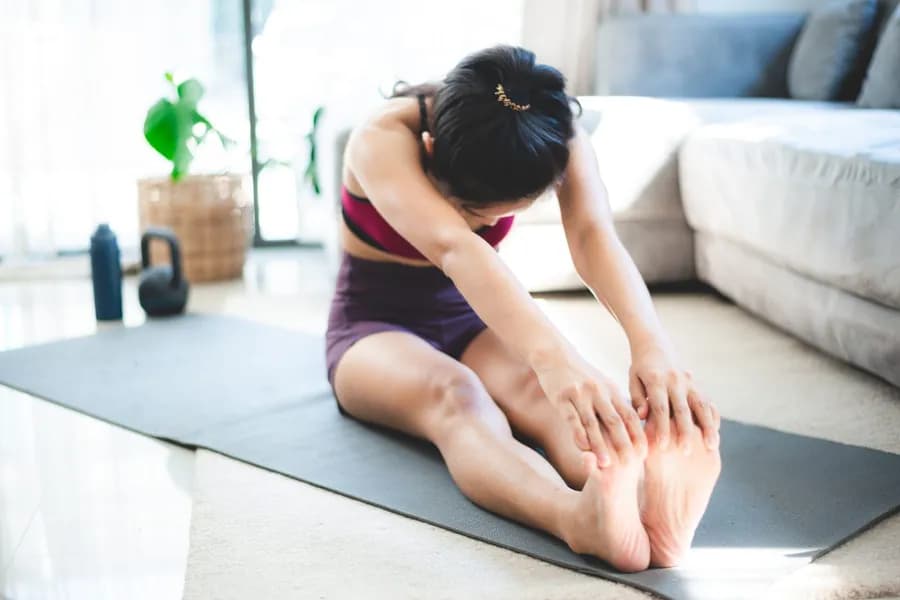
Static Stretching Exercises: Benefits, Best Poses & How to Get Started
Holding a muscle at the end of its comfortable range for 20-60 seconds without bouncing improves flexibility and eases tension — no equipment needed. See the core benefits and best poses.
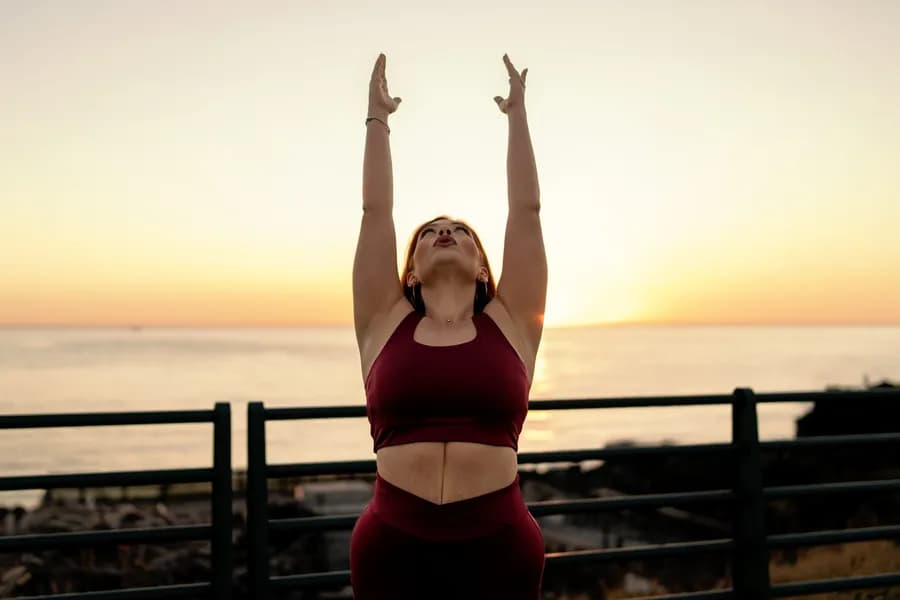
Stretching Exercises Before Workout: Your Complete Warm-Up Guide
Dynamic movements raise muscle temperature and prepare the nervous system for activity — a structured 8-12 minute routine reduces injury risk and improves performance. See the complete warm-up guide.
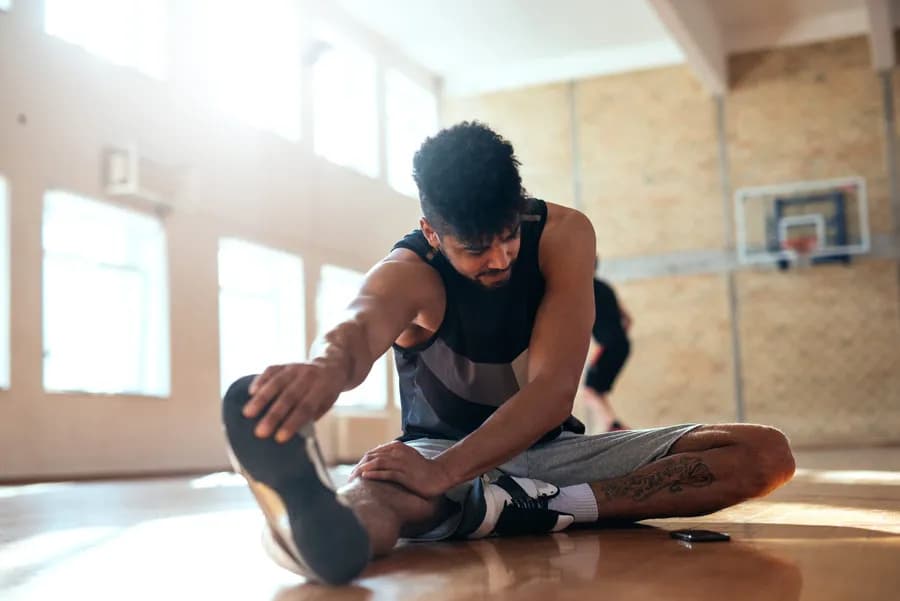
Pre Workout Stretches: Best Poses to Do Before Exercise
A focused 8-10 minute routine of dynamic or static movements warms up muscles and reduces injury risk before running, lifting, or yoga. See the best poses to do before exercise.
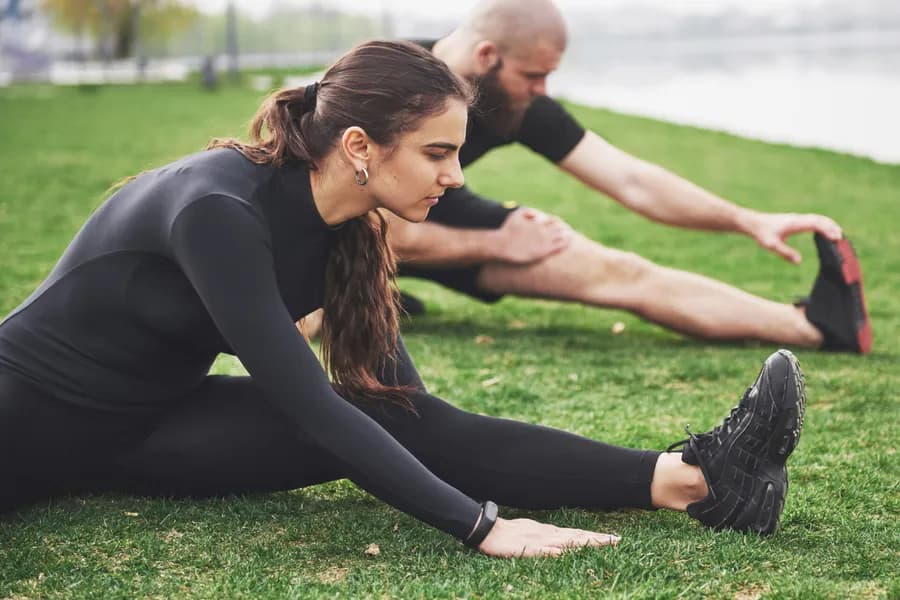
Morning Stretching Exercises: Build Flexibility and Start Your Day Right
Gentle movements right after waking release overnight muscle tightness and lubricate joints, targeting the spine, hips, hamstrings, and shoulders in 10-20 minutes. See the full routine.
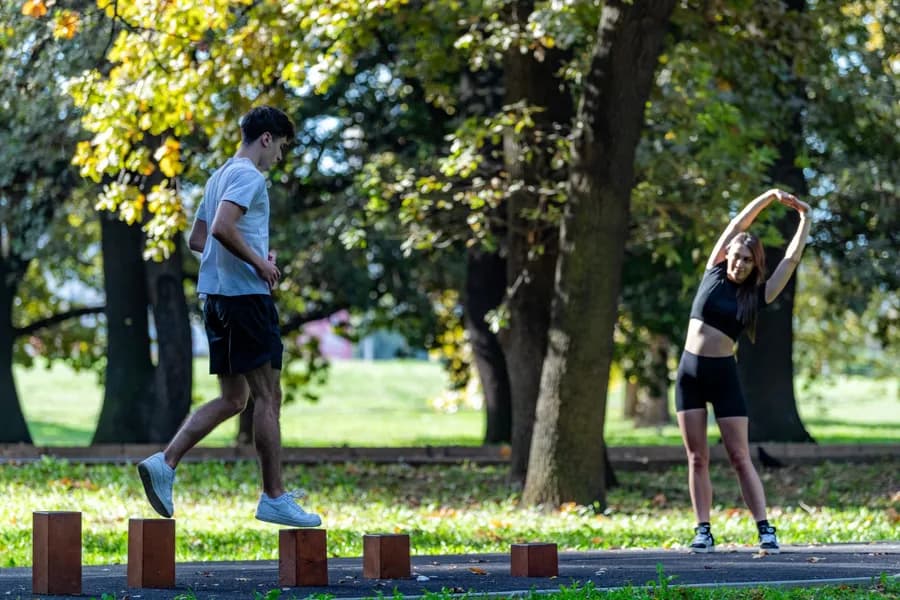
Warm Up Exercises Before Workout
Discover the best warm up exercises before workout to boost shoulder stability and prevent injury. Start your ₹1 trial with Habuild today.