
Top 10 Exercises to Increase Height
Decompressing the spine, correcting posture, and strengthening core muscles helps maximise the natural growth potential your body already has. See all 10 exercises.

Key Takeaways
- Works by decompressing the spine, correcting posture, and strengthening core muscles.
- Genetics sets the ceiling, but targeted practice helps you reach your full height potential.
- Hanging and forward bends gently elongate the spine, releasing prolonged-sitting compression.
- Tight hamstrings and hip flexors tilt the pelvis and compress the spine, limiting extension.
- In adolescents, weight-bearing and jump-based moves may support open growth plates.
- Only a mat, a pull-up bar, and a wall for support are needed – no gym required.
The top 10 exercises to increase height work by decompressing the spine, correcting posture, strengthening core muscles, and maximising the natural growth potential your body already has. While genetics sets the ceiling, consistent practice of targeted moves can help you stand taller, feel more aligned, and get closer to your full height potential.
If you’re wondering whether exercise can genuinely support height growth, the short answer is yes — with the right approach, it can. Whether you’re a teenager looking for height growth exercises for boys, a working professional fighting desk-related compression, or someone who simply wants to improve posture and alignment, this guide covers every exercise you need.
10 Benefits of Height-Increasing Exercises
- Spinal Decompression Exercises like hanging and forward bends gently elongate the spine, releasing the compression that builds up from prolonged sitting or standing. Over time, this allows you to stand at your natural, full height more consistently.
- Better Posture Rounded shoulders and a forward head tilt can make you appear significantly shorter than you are. Targeted back and core strengthening exercises gradually improve postural alignment, helping you look and feel taller.
- Stronger Core Muscles A well-conditioned core supports your entire skeletal structure. When your core holds your spine in proper alignment, you naturally stand straighter — which translates directly into perceived and measurable height.
- Increased Flexibility Tight hamstrings, hip flexors, and back muscles tilt the pelvis and compress the spine. Regular stretching exercises for height growth address these restrictions, allowing the body to extend more fully.
- Stimulated Growth Plates (in adolescents) For teenagers whose growth plates are still open, weight-bearing and jump-based exercises may support natural bone lengthening. This is especially relevant for height growth exercises for boys during puberty.
How to Get Started with Height-Increasing Exercise
What You Need to Begin
Most of these exercises require minimal equipment. A yoga mat, a sturdy pull-up bar or overhead beam, and a wall for support are all you need to start at home. No gym membership required.
Setting Realistic Goals
Consistency matters far more than intensity. Practising for 20–30 minutes daily yields gradual results over several weeks. Avoid overtraining — rest days allow muscles and connective tissue to recover and adapt.
Start with the Basics
Begin with simple stretches and posture drills before progressing to hanging or jump-based movements. If you’re brand new to movement training, exploring beginner-friendly yoga poses is an excellent place to lay the foundation before adding intensity.
Best Exercises to Increase Height — Your Top 10 List
These are the most effective moves for height growth at home or as part of a structured daily programme.
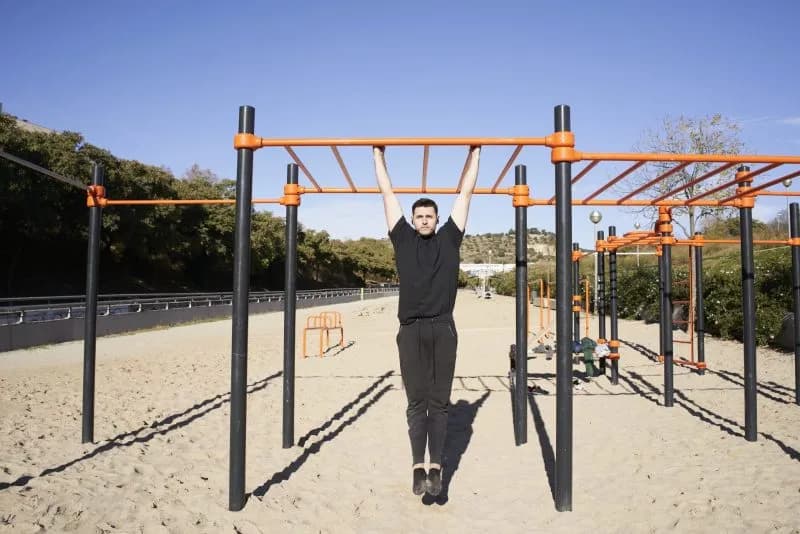
1. Dead Hang (Hanging Exercise for Height Growth)
Grip an overhead bar with both hands, relax your shoulders, and let your body hang freely. This decompresses every disc in your spine simultaneously. Start with 20–30 seconds per set, 3 sets daily. Hanging exercise is widely regarded as the single most effective tool for spinal elongation.
2. Cobra Stretch (Bhujangasana)
Lie face down, place palms under your shoulders, and slowly extend your spine upward while keeping your hips grounded. Hold for 20–30 seconds. This opens the thoracic spine, counteracts desk-induced compression, and builds erector strength. The cobra pose is a foundational stretch in any height-focused routine.
3. Cat-Cow Stretch
On all fours, alternate between arching your back upward (cat) and dipping it downward (cow) with your breath. Perform 10–12 slow cycles. This mobilises each spinal segment and is one of the best stretching exercises for height growth because it works the full length of the spine dynamically.
4. Pelvic Tilt
Lie on your back, bend your knees, and gently press your lower back into the floor by contracting your abdominals. Hold for 5–10 seconds, 10 reps. This corrects anterior pelvic tilt — a major posture fault that compresses the lumbar spine and reduces standing height.
5. Jumping Squats
Squat to parallel, then explode upward, reaching your arms overhead at the top of the jump. Land softly. Perform 3 sets of 10 reps. The vertical loading followed by decompression during landing is thought to support bone remodelling in still-growing individuals, making this an ideal height growth exercise for boys.
6. Standing Forward Bend (Uttanasana)
Stand hip-width apart, hinge at the hips, and let your torso hang toward the floor with soft knees. Hold 30–45 seconds. Gravity assists spinal traction here while the hamstrings and glutes stretch simultaneously. Explore the full benefits of Uttanasana for deeper detail on what this pose does for the posterior chain.
7. Bridge Pose (Setu Bandhasana)
Lie on your back, feet flat on the floor, and lift your hips to form a straight line from shoulders to knees. Hold 20–30 seconds, 3 sets. This strengthens the posterior chain — glutes, hamstrings, and spinal erectors — all of which contribute to a taller, more upright posture.
8. Downward-Facing Dog (Adho Mukha Svanasana)
Form an inverted V-shape with your body, pressing the floor away with both hands while extending your heels toward the ground. Hold 30 seconds, repeat 3 times. This pose simultaneously lengthens the spine and stretches the calves, hamstrings, and shoulders.
9. Side Stretch (Standing Lateral Bend)
Stand tall, clasp hands overhead, and lean slowly to one side while keeping your hips square. Hold 20 seconds each side, 3 rounds. This targets the lateral trunk muscles and the intercostal spaces between ribs — areas often neglected in standard programmes.
10. Mountain Pose (Tadasana)
Stand with feet together, arms at your sides, and consciously stack every joint — ankles, knees, hips, shoulders, ears. Hold for 60 seconds while breathing deeply. This is the reference posture for everything else on this list: it trains your nervous system to recognise and maintain full height. Read more about the specific benefits of Tadasana to understand why it’s far more than just standing still.
Common Mistakes to Avoid
- Poor Form Rushing through stretches or hanging with a shrugged neck defeats the purpose. In every exercise, the quality of the movement — specifically the spinal lengthening — is what drives results. Move slowly and deliberately.
- Skipping the Warm-Up Cold muscles and ligaments resist lengthening and are more prone to strain. Spend at least 5 minutes walking, doing light joint rotations, or practising cat-cow before attempting dead hangs or deep forward bends.
- Overtraining Daily practice is good; twice-daily intense sessions are counterproductive. Spinal discs need hydration and rest to re-expand overnight. Train once per day, allow adequate sleep, and you will progress faster than someone who doubles up sessions.
- Inconsistency Three sessions in a week followed by two weeks off will not produce visible results. The exercises that support height improvement work through cumulative, gradual adaptation. A structured daily habit — even 20 minutes — consistently outperforms sporadic hour-long sessions.
Who Should Try These Exercises?
- Beginners Anyone new to exercise can safely start with the stretching and posture-based moves on this list. There are no equipment barriers, no gym required, and the difficulty scales gradually. Even the first session leaves most people feeling noticeably more upright.
- Women Height-related posture concerns are common among women, particularly those who spend long hours at desks or carrying children. These exercises improve both the appearance and the functional experience of height — and many of the poses also support hip, pelvic, and spinal health broadly. Women looking for a comprehensive movement programme may also benefit from strength training specifically designed for women as a complement to these stretches.
- Older Adults Age-related compression of spinal discs is a primary reason many people lose height as they get older. Gentle hanging, cat-cow, and cobra stretches may help slow this process and support functional standing height. Note: Older adults with existing spinal conditions should consult a healthcare provider before beginning any new exercise programme.
- Working Professionals Prolonged sitting compresses the spine and tightens the hip flexors, making many desk workers appear — and feel — shorter than they actually are. A 20-minute daily routine that includes hanging, forward bends, and Tadasana can meaningfully support postural correction with minimal time investment.
Build Strength with a Routine That Actually Works
Improving your height potential isn’t about random stretches — it’s about consistency, guided form, and following a structured daily plan. With the right support, you can train effectively from home and see real progress over weeks and months.
Combining these exercises with a broader structured strength training programme accelerates every aspect of your physical development — posture, core strength, and overall body composition together.
What You Get with Habuild’s Strong Everyday Program:
- Daily live guided strength and yoga sessions
- Beginner to advanced progression with clear milestones
- No-equipment and home-friendly workouts
- Expert guidance to ensure correct form on every movement
- Community support to keep you showing up consistently
Start Your Height and Strength Training Journey
Related reads: How to Increase Hand Muscle: Exercises & Tips · What Are Pelvic Exercises? Benefits, Moves & How to Start
Standing taller isn’t about one perfect stretch — it’s the cumulative effect of showing up for these movements week after week, long enough for your spine and posture to actually adapt. Random days of effort tend to plateau quickly, whereas a program that sequences core work, mobility, and strength in the right order keeps building on itself. If you’d like that structure without having to plan it yourself, Habuild’s Strong Everyday program lays out a guided daily routine designed to help you train consistently and track real progress over time.
Frequently Asked Questions
Related Articles

18 Ke Baad Height Kaise Badhaye — पूरी जानकारी
18 ke baad height kaise badhaye? जानिए सही एक्सरसाइज, पोषण और आदतें जो लंबाई बढ़ाने में मदद कर सकती हैं। ₹1 में शुरू करें।
Benefits of Daily Exercise: Strength, Energy & More
Discover the key benefits of daily exercise — from stronger muscles to better sleep. Start your journey with Habuild's guided strength program with a 14-day free trial.
Active Recovery Workout: Benefits, Best Exercises & How to Get Started
Discover the best active recovery workout routines for full body relief. Learn exercises, mistakes to avoid, and how to stay consistent. Start for ₹1 today.

10 Benefits of Lifting Weights You Should Know
Discover the top benefits of lifting weights — from burning fat to building strength. Start your journey with Habuild's guided strength training program.

Benefits of Leg Exercises: Strength, Stability & More
Discover the top benefits of leg exercises for strength, posture, and daily energy. Start a structured routine today — try Habuild with a 14-day free trial.