
Best Stretching Exercises for Lower Back Pain
Discover the best stretching exercises for lower back pain. Build daily consistency with guided routines that may gradually ease discomfort. Try for 14-day free trial.
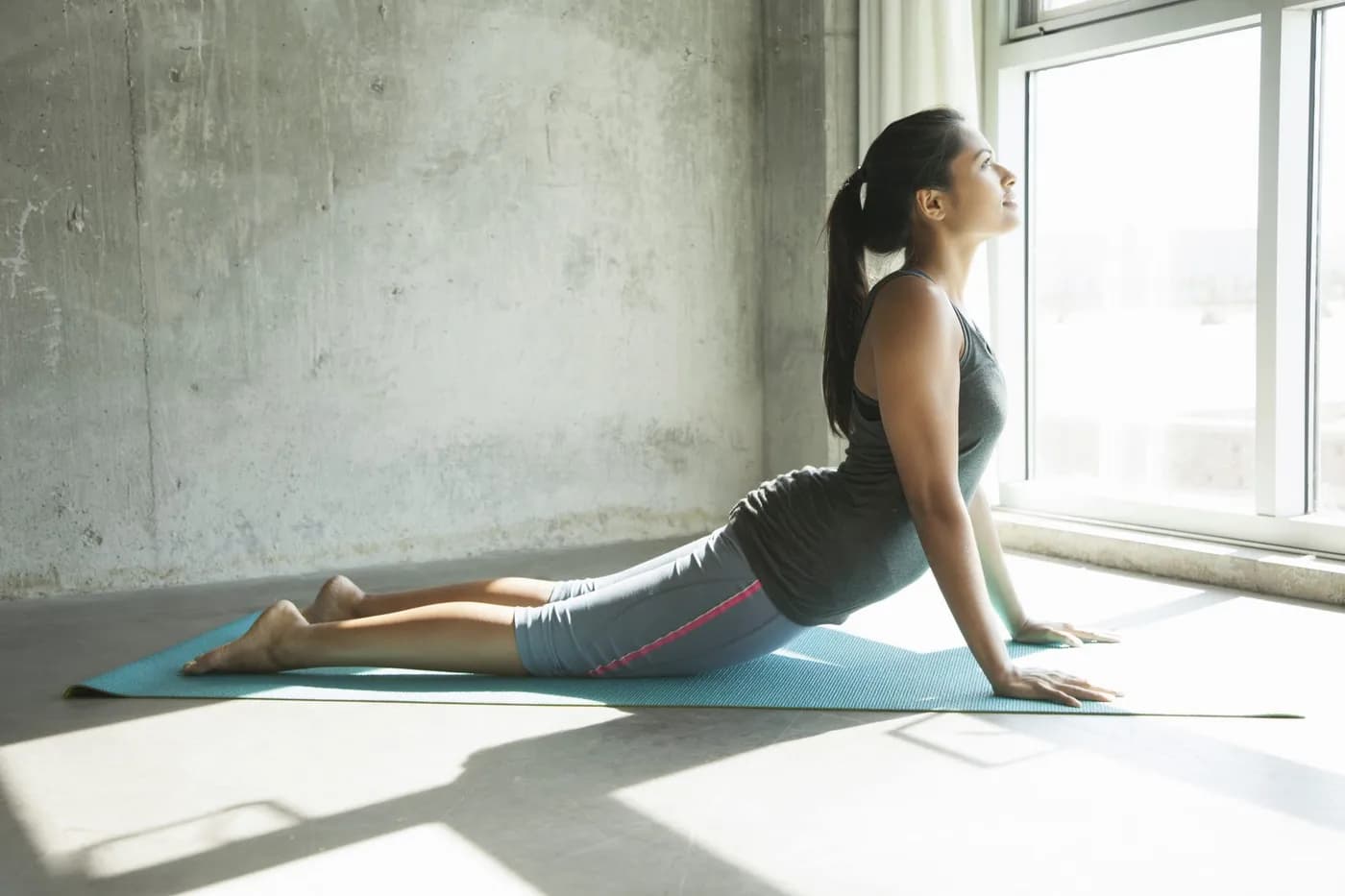
Key Takeaways
- A daily 15-minute routine of Child’s Pose, Cat-Cow, and hip flexor stretches targets tight areas.
- Notable relief typically appears within two to four weeks of consistent practice.
- Prolonged sitting shortens hip flexors and weakens glutes, tilting the pelvis forward.
- Slow, floor-based holds activate the parasympathetic nervous system, easing stress-related guarding.
- Consult a doctor first if you have a herniated disc or sciatica before starting any new stretch.
- Increases circulation to the muscles, tendons, and discs of the lower back.
The best stretching exercises for lower back pain target the muscles that tighten most — hip flexors, hamstrings, glutes, and spinal erectors — to gradually ease tension and build mobility. A daily 15-minute routine that includes Child’s Pose, Cat-Cow, and a hip flexor stretch can produce noticeable relief within two to four weeks of consistent practice.
If you deal with lower back discomfort regularly, you already know how much it affects your work, sleep, and daily movement. This guide walks you through why these stretches work, how to start safely, which moves matter most, and how to build a routine that actually sticks.
6 Key Benefits of Stretching for Lower Back Pain
- Reduces Muscle Tension Around the Spine Tight muscles surrounding the lumbar spine pull on the vertebrae and create chronic stiffness. Regular stretching lengthens these muscles, which may gradually reduce that pulling sensation and help you move more freely through the day.
- Improves Flexibility and Range of Motion Limited mobility in the hips and hamstrings forces the lower back to compensate every time you bend, sit, or lift. Consistent stretching exercises for flexibility restore that range so your back isn’t doing extra work it shouldn’t.
- Supports Better Posture Prolonged sitting shortens the hip flexors and weakens the glutes, creating an anterior pelvic tilt that strains the lower back. Targeted stretches counteract these postural imbalances over time.
- Enhances Blood Flow to Soft Tissue Stretching increases circulation to the muscles, tendons, and discs of the lower back. Better blood flow supports tissue health and may help the back recover faster after a long day at a desk or after physical activity.
- Calms the Nervous System Slow, mindful stretching — especially floor-based holds — activates the parasympathetic nervous system. This helps reduce the stress-related muscle guarding that often amplifies lower back discomfort.
- Builds a Protective Habit The biggest benefit isn’t a single session — it’s the cumulative effect of daily practice. Members who build a consistent 15-minute stretching habit often report that their back feels noticeably more manageable within a few weeks.
How to Get Started with Stretching for Lower Back Pain
What You Need to Begin
You need almost nothing to start. A yoga mat or soft carpet, enough floor space to lie flat, and about 15 minutes is sufficient for a complete lower back stretching session. No equipment, no gym membership, no special footwear required.
If you have a diagnosed condition such as a herniated disc or sciatica, consult your doctor or physiotherapist before beginning any new exercise routine. The stretches in this guide are generally gentle, but a professional can confirm which are suitable for your specific situation.
Setting Realistic Goals
Expect gradual improvement, not overnight relief. Most people notice a meaningful difference in stiffness and mobility after two to four weeks of consistent daily practice. Set one simple goal: stretch for 10–15 minutes every day for the first 30 days. Consistency matters far more than intensity.
Avoid pushing into sharp pain. A mild pulling sensation in the muscle is normal. A sharp or shooting pain is a signal to stop and seek guidance.
Start with the Basics
If you’re new to stretching, begin with just three moves: Child’s Pose, Knee-to-Chest, and Cat-Cow. Hold each for 30–45 seconds and repeat twice. Once these feel comfortable, layer in the full routine below. Stretching exercises for beginners offer a fuller guided breakdown if you want a structured starting point.
Best Stretching Exercises for Lower Back Pain
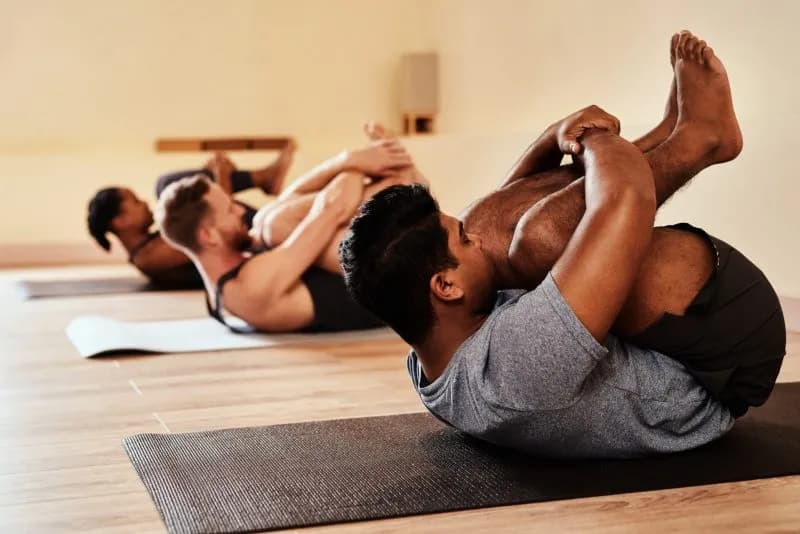
These seven stretches are selected for their direct impact on the muscles that most commonly contribute to lower back tension. Each is beginner-accessible and can be done at home on a mat.
Child’s Pose (Balasana)
Start on your hands and knees. Sit your hips back toward your heels and extend your arms forward on the floor, resting your forehead down. This position decompresses the lumbar spine and gently stretches the glutes and hip rotators. Hold for 45–60 seconds. Repeat 2–3 times.
Knee-to-Chest Stretch
Lie on your back with both knees bent. Bring one knee toward your chest and hold it with both hands for 30–40 seconds. Switch sides. This directly targets the lower back and hip flexors, relieving compression in the lumbar region. It is one of the most recommended moves by physiotherapists for managing daily lower back stiffness.
Cat-Cow Stretch
On all fours, alternate between arching your spine toward the ceiling (Cat) and dropping your belly toward the floor while lifting your head (Cow). Move slowly and breathe through each transition. Perform 10–12 slow repetitions. This increases spinal mobility and warms up the surrounding muscles before deeper stretches.
Piriformis Stretch (Supine Figure-4)
Lie on your back, cross one ankle over the opposite knee, and gently pull the uncrossed leg toward your chest. You will feel a deep stretch in the glute and outer hip. The piriformis muscle, when tight, can directly irritate the sciatic nerve and contribute to lower back and hip pain. Hold 40 seconds per side. This stretch pairs well with targeted exercises for piriformis pain if you’re dealing with deeper hip-related discomfort.
Seated Forward Fold
Sit on the floor with both legs extended straight in front of you. Hinge at your hips and reach your hands toward your feet, keeping your spine as long as possible. Tight hamstrings are one of the most overlooked contributors to lower back strain. Hold 40–50 seconds. Lead with the chest, not the forehead — do not round aggressively.
Supine Spinal Twist
Lie on your back, bring one knee to your chest, then guide it across your body to the opposite side. Extend your arm out to the side and look away from the bent knee. This rotational stretch releases tension along the entire length of the spine and the outer hip. Hold 30–40 seconds per side.
Standing Hip Flexor Lunge Stretch
Step one foot forward into a low lunge. Drop your back knee to the floor and gently push your hips forward. You will feel a stretch through the front of the back leg’s hip. Tight hip flexors are a primary cause of lower back strain in people who sit for long hours. Hold 40 seconds per side, repeat twice. This is also one of the most effective yoga stretches for lower back pain and complements yoga-based routines well.
Common Mistakes to Avoid
- Poor Form Rounding the back aggressively during forward folds or collapsing into a stretch without control can do more harm than good. Focus on hinging at the hips and maintaining a neutral or slightly lengthened spine, especially in seated and standing stretches.
- Skipping the Warm-Up Stretching cold muscles — especially first thing in the morning — increases the risk of minor strains. Spend 3–5 minutes on gentle movement first: slow marching in place, hip circles, or Cat-Cow. This prepares the tissue to lengthen safely.
- Overtraining or Overstretching More is not always better. Holding a stretch too aggressively or stretching for long sessions multiple times a day can inflame already irritated tissue. Aim for 15–20 minutes once daily. Discomfort is informative; pain is a stop signal.
- Inconsistency A single excellent session won’t change anything. Three weeks of daily 15-minute practice will. The most common reason people don’t see results is that they stretch when pain spikes, then stop when it eases. Build the habit so the spikes happen less often. Exercises for lower backache offer a structured programmatic framework if you need more guidance.
Who Should Try Stretching for Lower Back Pain?
- Beginners These stretches require no prior fitness experience. Lower back stretching is one of the gentlest and most accessible entry points into a consistent movement practice. Start with three stretches, build slowly, and add more as your comfort increases.
- Women Lower back tension is extremely common in women, particularly during menstruation, pregnancy (with appropriate modifications), and perimenopause — all periods when hormonal shifts affect ligament laxity and muscle tone. Gentle, consistent stretching can support better comfort through these phases.
- Older Adults Age-related changes in disc hydration, muscle elasticity, and spinal alignment make lower back stiffness increasingly common after 50. Gentle daily stretching supports mobility, reduces fall risk, and helps maintain functional independence. Always consult your doctor before starting if you have osteoporosis or a recent spinal injury.
- Working Professionals If you sit at a desk for 6–10 hours a day, your hip flexors are chronically shortened and your lumbar muscles are under constant low-level strain. A 15-minute stretching routine at the start or end of your workday can meaningfully reduce accumulated tension — no commute, no equipment, fits into a lunch break.
Build Strength with a Routine That Actually Works
Managing lower back pain isn’t about doing random stretches when it flares up. It’s about building a daily, structured habit with the right guidance so your back gets progressively stronger and more resilient over time.
What you get with Habuild’s Strong Everyday Program:
- Daily live guided strength and yoga sessions
- Beginner to advanced progression built into the program
- No-equipment, home-friendly workouts
- Expert guidance to ensure correct form and avoid strain
- A consistent community that keeps you accountable
Related reads: How to Strengthen Lower Back Muscles: Exercises, Tips & Routines · Desk Stretching Exercises: Best Poses to Ease Stiffness at Work
As with most lower back discomfort, relief tends to come from daily consistency rather than any single stretch — a routine repeated regularly gives the muscles and joints around the spine time to actually adapt. Habuild’s Strong Everyday program offers structured, guided training that can complement this stretching routine and help you stay consistent.
Frequently Asked Questions
Related Articles
Warm Up Exercises Before Workout
Discover the best warm up exercises before workout to boost shoulder stability and prevent injury. Start your ₹1 trial with Habuild today.

Best Exercises for Strengthening the Knee
Discover the best exercises for strengthening the knee — reduce soreness, build stability, and move better. Start your guided plan for 14-day free trial today.

Best Exercise for Sore Knees: Moves That Help
Discover the best exercise for sore knees to ease discomfort and build strength. Start your guided routine today — first 7 days for just ₹1.
Best Exercises for Hamstrings
Discover the best exercises for hamstrings — stretches, strengtheners & beginner tips. Build consistency with Habuild. Start your 14-day free trial trial today.
Best Exercises for Glutes: Build Stronger, Firmer Glutes
Discover the best exercises for glutes to build strength, shape, and power. No gym needed. Start your guided training journey for just ₹1.