
Best Exercises for Glutes: Build Stronger, Firmer Glutes
Discover the best exercises for glutes to build strength, shape, and power. No gym needed. Start your guided training journey for just ₹1.
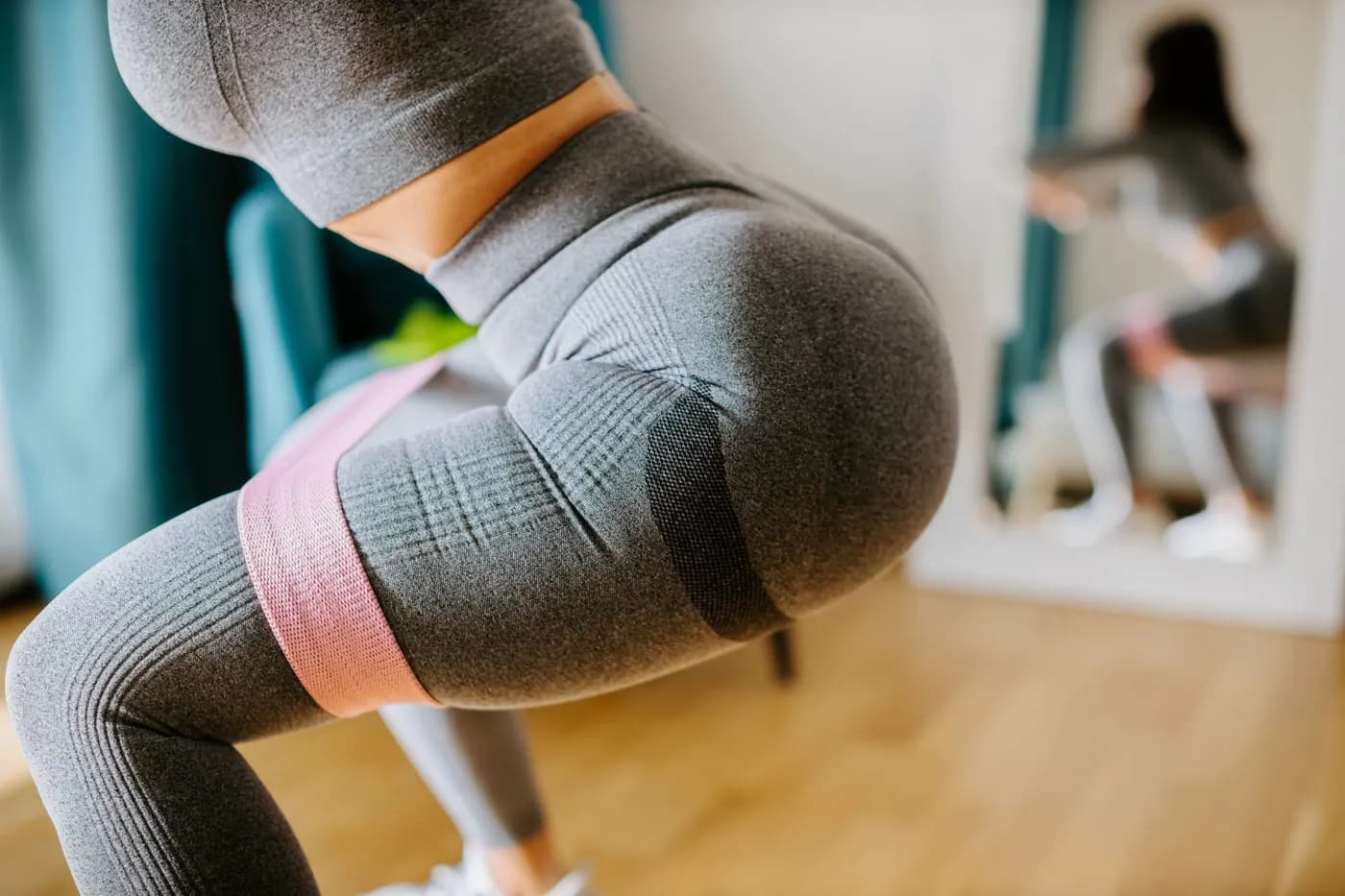
Key Takeaways
- Hip thrusts, glute bridges, Bulgarian split squats, and donkey kicks target all three glute muscles.
- The gluteus maximus is the body’s largest muscle, driving nearly every explosive lower-body move.
- Particularly under-trained in people who sit at a desk for six or more hours daily.
- Weak glutes force the lower back to compensate during everyday movements.
- The gluteus medius is critical for lateral hip stability, reducing hip hiking during walking.
- Weak glutes often cause inward knee collapse during squats, straining cartilage and tendons.
The best exercises for glutes — hip thrusts, glute bridges, Bulgarian split squats, reverse lunges, donkey kicks, fire hydrants, and bodyweight squats — target all three glute muscles across multiple movement planes, building lower-body power, hip stability, and posture support that carries over into every movement you make daily.
The glutes are the largest muscle group in your body and the foundation of nearly every lower-body movement — from climbing stairs to running, squatting, and standing through a long workday. Yet they are also one of the most under-trained groups, particularly for people who sit at a desk for six or more hours each day. Whether you are a complete beginner or someone restarting a fitness routine, this guide covers what to do, what to avoid, and how to build consistent, progressive glute strength at home.
8 Benefits of Training Your Glutes
- Builds Lower-Body Power The gluteus maximus is the largest muscle in your body. Strengthening it improves your ability to run faster, jump higher, and lift more. Nearly every explosive lower-body movement draws from glute strength first.
- Protects the Lower Back Weak glutes force the lower back to compensate during everyday movements. Regular glute training supports the spine and may gradually ease chronic lower back discomfort through consistent practice. For a complementary approach, explore Strength Training For Lower Body alongside your glute work.
- Improves Posture Tight hip flexors from prolonged sitting pull the pelvis forward and switch the glutes off. Strengthening the glutes counterbalances this pattern and supports a neutral, upright posture throughout the day.
- Supports Fat Loss and Metabolism Larger muscle groups burn more energy during and after exercise. Engaging the glutes — the body’s biggest muscle group — helps sustain a higher metabolic rate over time when trained regularly.
- Reduces Knee Strain Strong glutes stabilize the hips, which directly affects how force travels through the knee joint. People with weak glutes often develop inward knee collapse during squats and lunges, placing unnecessary stress on cartilage and tendons.
- Enhances Athletic Performance Whether you play cricket, run, cycle, or swim, your glutes are central to your performance. Hip extension power — which the glutes drive — is the common currency of nearly all sport-specific movement patterns.
- Builds Hip Stability The gluteus medius is critical for lateral hip stability. Training it reduces hip hiking during walking and running, a common cause of pain up and down the kinetic chain.
- Boosts Confidence and Body Awareness Consistent glute training builds a deeper sense of body control. Feeling stronger in your lower body carries over into how you move and carry yourself through the day.
How to Get Started with Glute Training
What You Need to Begin
You do not need a gym or any equipment to start building your glutes effectively. A yoga mat or firm carpeted surface is enough. As you progress, a light to medium resistance band can add challenge to bodyweight movements without needing dumbbells or machines.
The most effective glute exercises at home — squats, hip thrusts, lunges, and donkey kicks — require nothing but your bodyweight and a willingness to show up consistently.
Setting Realistic Goals
Most people notice improved muscle activation and reduced glute tightness within the first two weeks of regular training. Visible shape and strength changes typically begin in four to six weeks of consistent work. Two to three focused sessions per week is more productive than daily half-effort workouts.
Focus on feeling the muscle work during each repetition, not just completing reps. Mind-muscle connection in glute training matters more than in many other movements.
Start with the Basics
Before advancing to split squats or single-leg deadlifts, spend two weeks mastering the hip hinge and glute bridge. These foundational patterns teach you to activate the glutes rather than letting the quads or lower back take over. Once you can clearly feel your glutes fire in a basic bridge, you are ready to progress.
Best Exercises for Glutes
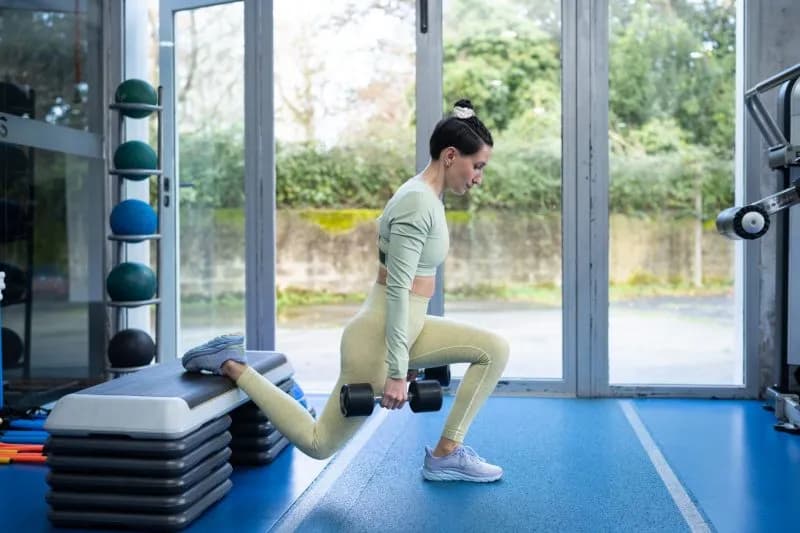
These seven exercises cover all three glute muscles — the maximus, medius, and minimus — and work effectively for both men and women at beginner and intermediate levels. For a broader lower-body routine that pairs well with these moves, see Habuild’s dedicated Glutes Workout guide.
Glute Bridge
Lie on your back, knees bent, feet flat on the floor hip-width apart. Drive your hips up by pressing through your heels until your body forms a straight line from shoulder to knee. Squeeze your glutes hard at the top and hold for one to two seconds before lowering. This is the single best exercise for learning to isolate and activate the glutes before progressing to heavier patterns. Sets/Reps: 3 sets of 15–20 reps.
Bodyweight Squat
Stand with feet shoulder-width apart, toes turned slightly out. Push your hips back and down as if sitting into a chair, keeping your chest tall and knees tracking over your toes. Drive through your heels to stand, squeezing your glutes at the top. Squats develop the gluteus maximus alongside the quads, making them the foundational compound movement for lower-body strength. Sets/Reps: 3 sets of 12–15 reps.
Reverse Lunge
Step one foot backward and lower your back knee toward the floor. The front leg should be at roughly 90 degrees. Push through the front heel to return to standing. Reverse lunges emphasize the glutes more than forward lunges because they load the hip into greater extension, and they are gentler on the knees — making them excellent for beginners. Sets/Reps: 3 sets of 10 reps per leg.
Donkey Kick
On hands and knees, keep your knee bent at 90 degrees and kick one leg back and up, driving the heel toward the ceiling. Avoid rotating your hips — keep them square throughout. This exercise isolates the gluteus maximus with minimal involvement from other muscles, making it ideal for targeted glute development. Sets/Reps: 3 sets of 15 reps per leg.
Fire Hydrant
From the same hands-and-knees position, lift one knee out to the side while keeping the knee bent. This movement directly targets the gluteus medius — the muscle responsible for hip stability and lateral leg power. Neglecting this exercise is one reason many people develop hip and knee imbalances over time. Sets/Reps: 3 sets of 15 reps per side.
Hip Thrust (Floor or Elevated)
Sit with your upper back resting on a low surface such as a sofa edge. Plant your feet flat and hip-width apart. Drive your hips toward the ceiling, squeezing your glutes hard at the top. Sports science research consistently ranks the hip thrust as one of the most effective exercises for gluteus maximus activation — superior even to the squat in terms of direct glute loading. Sets/Reps: 3 sets of 12–15 reps.
Bulgarian Split Squat
Elevate your rear foot on a chair or step. Lower your back knee toward the floor while keeping your front shin vertical. This advanced progression places the front glute under significant load through a deep range of motion and is particularly effective for building the glute-hamstring connection that drives sprinting and jumping power. Sets/Reps: 3 sets of 8–10 reps per leg.
Common Mistakes to Avoid
- Poor Form The most common glute training mistake is letting the lower back arch or the knees cave inward to push out more reps. This shifts the load away from the glutes and onto joints that are not designed to absorb it. Ten clean reps with proper glute engagement are worth far more than twenty sloppy ones. Guided sessions with live feedback make a significant difference here — this is precisely where structured programs outperform random online videos.
- Skipping Warm-Up Cold, inactive glutes do not fire efficiently. A two-to-three minute warm-up of banded walks, leg swings, and bodyweight bridges wakes up the neuromuscular connection before you move into heavier work. Skipping this step is one of the main reasons people feel their quads more than their glutes during squats.
- Overtraining One Movement Pattern Many people do squats and nothing else, missing the full glute picture. The glutes are best developed through a combination of vertical push patterns (squats), horizontal push patterns (hip thrusts), and abduction movements (fire hydrants, clamshells). Using only one pattern leaves portions of the muscle undertrained.
- Inconsistency The glutes respond exceptionally well to frequency — but only if you consistently show up. Two well-structured weekly sessions over eight weeks will produce far better results than sporadic training. This is the hardest part of any fitness journey, and it is why accountability and structure matter more than the exercises themselves.
Who Should Try Glute Training?
- Beginners Glute training is one of the most beginner-friendly categories in fitness. You start on the floor with a glute bridge and progress at your own pace. There is no intimidating equipment, no gym membership required, and the learning curve is gentle. Most beginners notice improved posture and reduced lower-back discomfort within the first few weeks of regular practice.
- Women Women often come to glute training with a mix of aesthetic and functional goals — wanting a firmer, more defined shape while also addressing hip pain, postpartum recovery, or general lower-body weakness. Strength-focused glute work does not create a bulky appearance; it gradually builds the lean, defined muscle many women are looking for. For women also managing hormonal or pelvic health goals, Strength Training For Women offers a complementary framework.
- Older Adults After age 40, muscle mass naturally declines and the glutes are among the first muscles to weaken from a sedentary lifestyle. Strengthening them supports hip stability, reduces fall risk, and helps maintain everyday independence. Please consult your doctor before starting any new exercise program, especially if you have existing hip, knee, or lower back conditions.
- Working Professionals If you sit for six or more hours a day, your glutes are almost certainly underfiring. Prolonged sitting switches off the gluteus maximus and shortens the hip flexors — a combination that leads to poor posture, lower-back tightness, and reduced athletic output. Even a 20-minute glute routine three times a week can meaningfully support your workday well-being.
Build Strength with a Routine That Actually Works
Building stronger glutes is not about doing random exercises you found online — it is about consistent, progressive training with the right guidance and structure. With expert-led sessions designed for home practice, you can develop real glute strength without any equipment and without ever stepping into a gym.
What You Get with Habuild’s Strong Everyday Program:
- Daily live guided strength sessions — including focused lower-body and glute work
- Progressive programming from beginner to advanced
- No-equipment, home-friendly workouts
- Expert guidance on form and activation so you actually feel your glutes working
- Community support that keeps you accountable past the two-week drop-off point
If you have been curious about how dedicated glute-focused strength training fits into a complete fitness plan, Habuild’s structured approach gives you a clear, guided path from day one.
Start Your Glute Training Journey
Related reads: What Is a Core Strength? Benefits, Exercises & How to Build It · Types of Lunges Exercise — 7 Variations to Build Stronger Legs, Glutes, and Single-Leg Strength
Building stronger, firmer glutes is less about which exercise you choose and more about training them regularly enough for the muscle to actually adapt — occasional effort rarely produces the shape or power this guide describes. Habuild’s Strong Everyday program gives you a structured, guided plan to keep that training consistent, no gym required.
Frequently Asked Questions
Related Articles
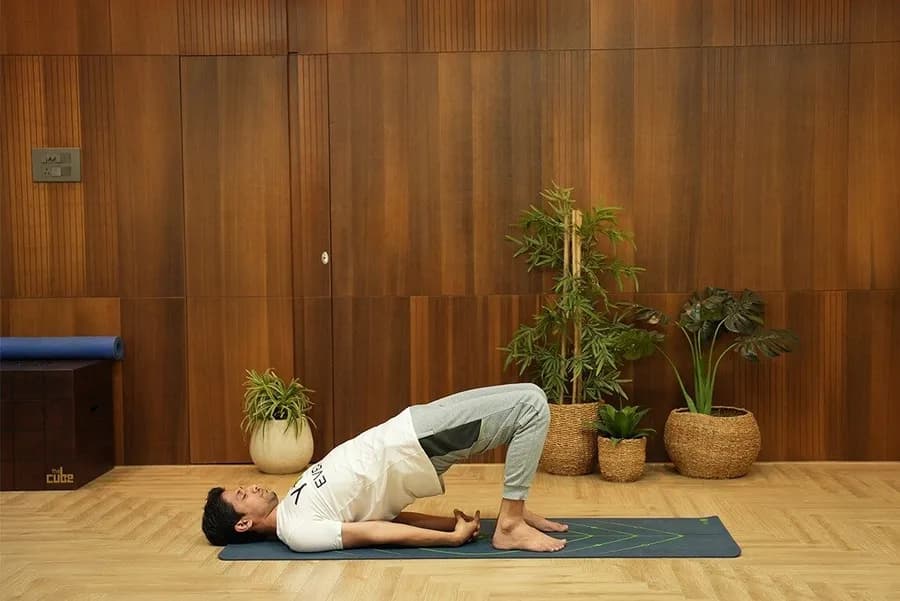
How to Do Glute Bridge: Proper Form, Benefits & Variations
Learn how to do glute bridge with proper form, common mistakes, and beginner variations. Start your strength journey with Habuild with a 14-day free trial.
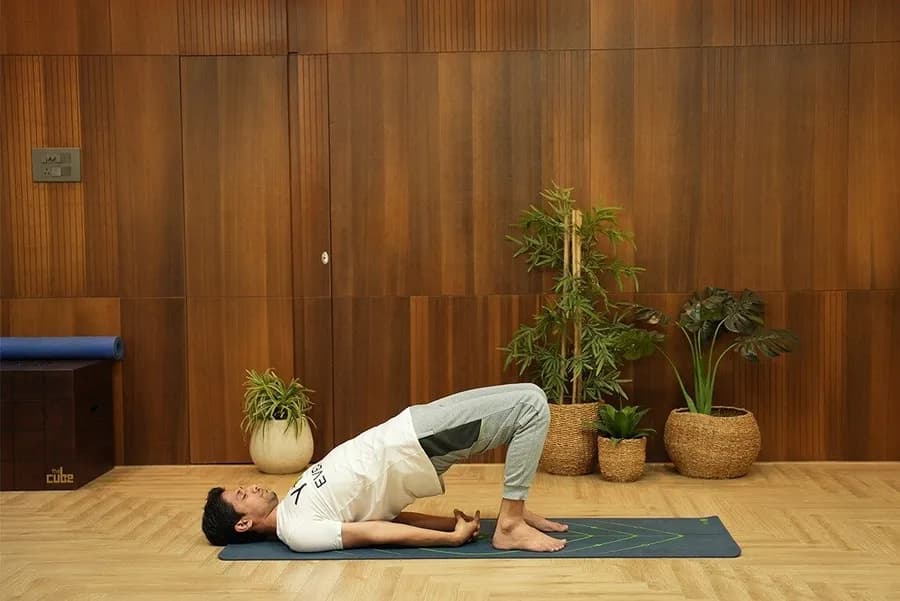
Elevated Glute Bridge: Benefits, Form & Muscles Worked
Master the elevated glute bridge with correct form, muscles worked, and variations. Start your strength journey with a 14-day free trial with Habuild.
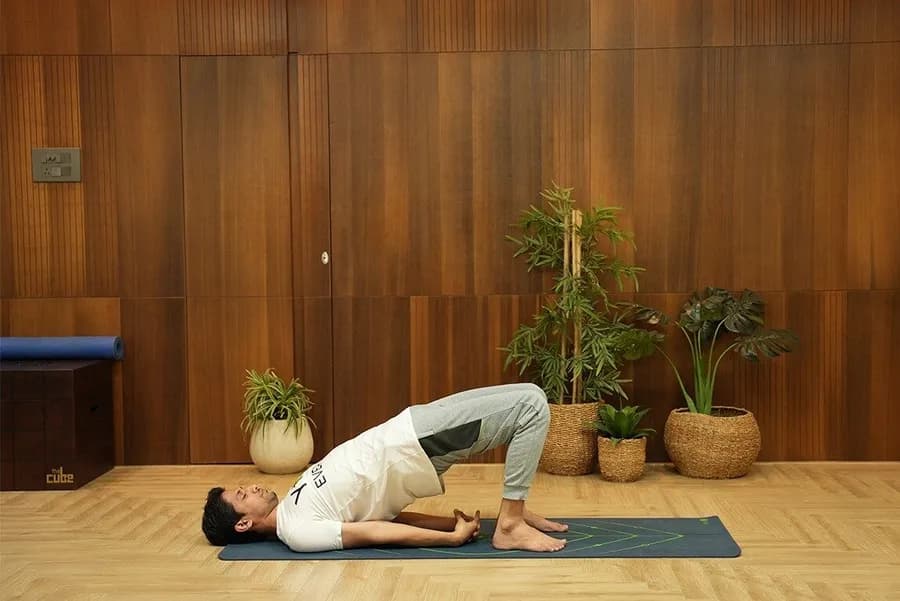
What Is Glute Bridge Exercise: Benefits & How to Do It
Lying on your back, bending your knees, and lifting your hips by squeezing your glutes strengthens the gluteus maximus, hamstrings, and core with no equipment. See the benefits and how to do it.
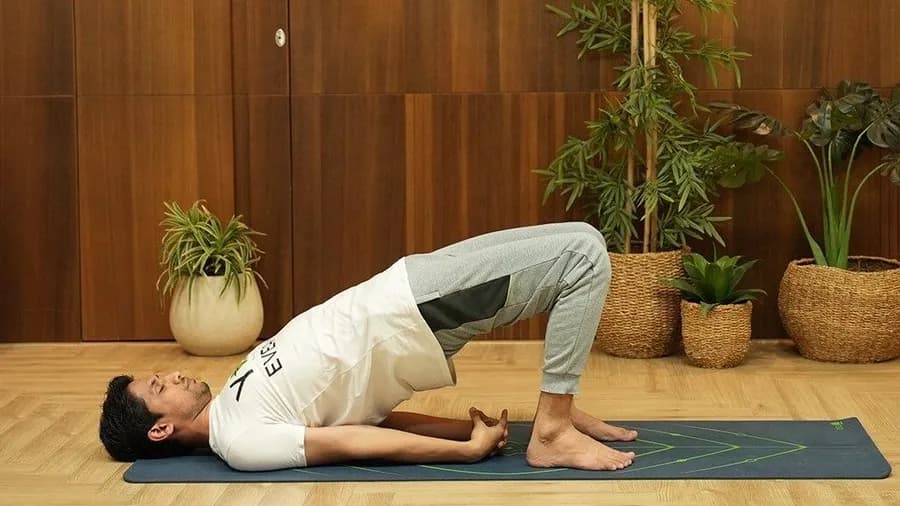
Bridge Exercise for Hips: Benefits, Form & Workout Plan
Discover the best bridge exercise for hips — build glute strength, ease hip pain, and boost mobility with this beginner-friendly home workout guide.
Best Exercises for Hamstrings
Discover the best exercises for hamstrings — stretches, strengtheners & beginner tips. Build consistency with Habuild. Start your 14-day free trial trial today.