
Back Workout with Dumbbells: Exercises, Benefits & How to Get Started
Rows, deadlifts, and pullovers target the latissimus dorsi, rhomboids, trapezius, and erector spinae, with minimal equipment needed. See the benefits and best exercises.
Key Takeaways
- Targets the lats, rhomboids, trapezius, and erector spinae through rows and pullovers.
- Dumbbells require each side of the body to work independently, correcting imbalances.
- Loading the spine and posterior chain, like in deadlifts, is linked to better bone density.
- Single-arm rows, Romanian deadlifts, and reverse flys form a solid beginner foundation.
- Light-to-moderate 5-10 kg dumbbells are adequate for most people starting out.
A back workout with dumbbells targets the latissimus dorsi, rhomboids, trapezius, and erector spinae using rows, deadlifts, and pullovers. It requires minimal equipment, suits all fitness levels, and builds the posture, strength, and muscle definition that carry over into everyday movement.
Whether you’re training at home or in a gym, dumbbells give you the flexibility to target every major muscle in your back without needing a full rack of equipment. This guide covers the benefits of a back workout with dumbbells, the best exercises, common mistakes, and who can benefit most from dumbbell-based back training.
Benefits of Back Workouts with Dumbbells
- Builds Lean Muscle Dumbbell rows and pullovers place your back muscles under consistent tension, which is the primary driver of muscle growth. Unlike machines, dumbbells require each side of your body to work independently, which helps correct muscle imbalances over time.
- Boosts Metabolism Your back houses some of the largest muscle groups in your body. Training them with compound dumbbell movements raises your resting metabolic rate, so you continue burning more calories well after your session ends.
- Improves Bone Density Resistance training that loads the spine and posterior chain — like deadlifts and bent-over rows — is consistently linked to improved bone mineral density, which becomes especially important as you age.
- Enhances Functional Strength A strong back supports nearly every movement in daily life: lifting groceries, carrying a bag, sitting at a desk for hours. Functional strength exercises that target the back help your body move more efficiently with less strain.
- Supports Fat Loss Compound back exercises burn significant calories during the workout itself. Combined with the metabolic boost from adding lean muscle, dumbbell back training is a meaningful contributor to a fat-loss-oriented fitness routine.
How to Get Started with Dumbbell Back Training
What You Need to Begin
You don’t need a home gym to build a strong back. A pair of adjustable dumbbells — or even two fixed-weight dumbbells — and a flat surface or bench is enough to get started. If you’re new to lifting, light-to-moderate weights (5–10 kg for most beginners) are perfectly adequate at first. If you’d like a full overview of strength training as a discipline before diving into specific exercises, that’s a useful place to orient yourself.
Setting Realistic Goals
Expect to feel soreness in the first one to two weeks as your muscles adapt — that’s normal. Avoid the temptation to go heavy immediately. Prioritise form, gradually add weight every one to two weeks, and aim for three sessions per week with a rest day between each. Progress in back training is steady, not overnight.
Start with the Basics
Beginners should anchor their routine around two or three foundational back exercises with dumbbells: the single-arm dumbbell row, the Romanian deadlift, and the reverse fly. These three exercises cover width, thickness, and rear-delt development without overwhelming your joints. Master these before adding volume or complexity.
Best Back Exercises with Dumbbells for a Stronger Back
These back exercises with dumbbells are among the most effective movements for building a strong, well-developed back. Each targets a specific zone and can be scaled for any fitness level.
Single-Arm Dumbbell Row
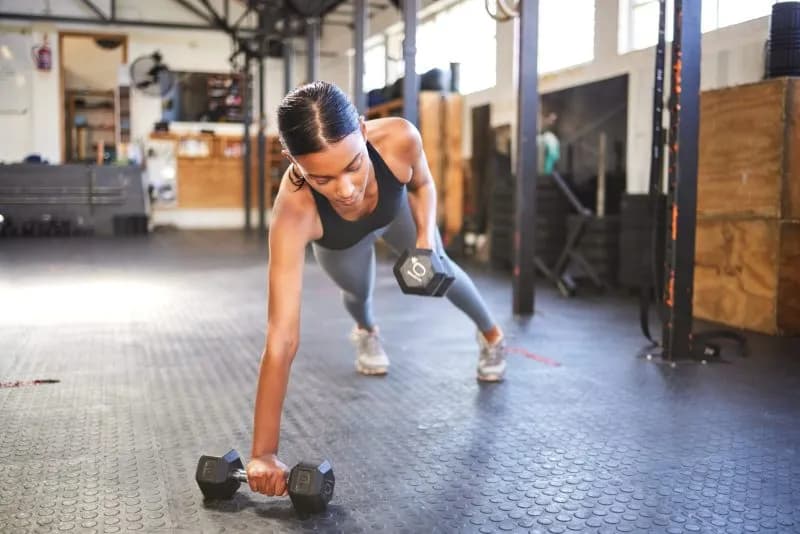
The cornerstone of any back and bicep dumbbell workout, the single-arm dumbbell row targets the lats and mid-back while also engaging the biceps. Place one knee and hand on a bench for support, hold a dumbbell in the opposite hand, and row it to your hip while keeping your elbow close to your body. Aim for 3 sets of 10–12 reps per side. This is your primary lat and mid-back builder.
Bent-Over Dumbbell Row
Stand with feet hip-width apart, hinge at the hips until your torso is roughly parallel to the floor, and row both dumbbells simultaneously toward your lower ribs. This bilateral version builds overall back thickness. Try 3 sets of 8–10 reps. This exercise is also an important part of a back and bicep dumbbell workout because the biceps assist heavily during the pulling movement.
Dumbbell Romanian Deadlift
Hold a dumbbell in each hand at hip height, push your hips back while keeping a neutral spine, and lower the weights along your legs until you feel a deep stretch in your hamstrings and lower back. Return by driving your hips forward. Do 3 sets of 10 reps. This strengthens the erector spinae and posterior chain.
Dumbbell Reverse Fly
Hinge forward at the hips, let your arms hang with dumbbells in hand, then raise both arms out to the sides in a wide arc — squeezing your shoulder blades together at the top. 3 sets of 12–15 reps. This targets the rear deltoids and rhomboids, improving posture and shoulder health.
Dumbbell Pullover
Lie on a bench with your upper back supported, hold one dumbbell overhead with both hands, then lower it in a controlled arc behind your head before pulling it back over your chest. 3 sets of 10–12 reps. This uniquely stretches the lats through a long range of motion — a movement few other exercises replicate. For a structured plan to continue building on these movements, explore back muscle workouts that progress beyond the basics.
Dumbbell Shrug
Stand tall holding a dumbbell in each hand, then shrug your shoulders straight up toward your ears and hold briefly at the top. 3 sets of 12–15 reps. This isolates the upper trapezius, adding thickness to the upper back and improving neck stability.
Single-Leg Dumbbell Deadlift
Balance on one leg, hold a dumbbell in the opposite hand, and hinge forward until your torso and free leg are roughly parallel to the floor. Return to standing with control. 3 sets of 8 reps per side. This challenges balance and builds unilateral lower-back and glute strength simultaneously.
Common Mistakes to Avoid
- Poor Form The most common error in dumbbell back training is rounding the lower back during rows and deadlifts. Always hinge from the hips with a neutral spine — not a curved one. If your back rounds, the weight is too heavy. Lower it and rebuild the pattern correctly first.
- Skipping Warm-Up Jumping straight into heavy rows without preparing the joints and nervous system increases injury risk significantly. Spend 5–7 minutes on light cardio followed by shoulder circles, cat-cow stretches, and bodyweight hip hinges before picking up a dumbbell.
- Overtraining Training your back every day won’t accelerate results — muscle growth happens during recovery, not during the workout itself. Two to three back sessions per week with adequate protein and sleep is far more productive than daily grinding with insufficient rest.
- Inconsistency Sporadic training — intense for two weeks, then nothing for three — is the single biggest reason people don’t see back development. The real challenge isn’t finding the right exercise; it’s showing up consistently enough for adaptation to occur. A guided, structured programme makes an enormous difference here.
Who Should Try Dumbbell Back Workouts?
- Beginners Dumbbells are ideal for first-time lifters because they require no machine setup and allow a natural range of motion. The single-arm row and reverse fly are low-barrier entry points that teach foundational pulling patterns safely. If you’re brand new to lifting, beginner strength training resources can help you build a structured starting point.
- Women Dumbbell back training does not create a bulky physique in women — that outcome requires years of progressive overloading and specific dietary conditions. What it does deliver is improved posture, better shoulder alignment, and a stronger, leaner upper body. Many women find back training to be one of the most transformative additions to their routine.
- Older Adults For those over 50 or 60, maintaining back strength is closely tied to mobility, independence, and fall prevention. Light dumbbell rows and deadlifts can support spinal health and help manage the risk of age-related postural decline. Always consult a doctor before starting a new exercise programme if you have any existing spinal conditions.
- Working Professionals Long hours at a desk tighten the chest and weaken the upper back — a recipe for chronic neck and shoulder tension. A 20–30 minute dumbbell back session three times a week can meaningfully counteract the postural effects of sedentary work. No commute to a gym required.
Build Strength with a Routine That Actually Works
Building a stronger back isn’t about doing random exercises — it’s about consistency, guided progression, and a plan that adapts as you improve. With the right structure, you can train effectively from home and see real, gradual progress over time.
What You Get with Habuild’s Strong Everyday Program:
- Daily live guided strength sessions with expert instruction
- Beginner to advanced progression — no experience needed
- No-equipment and dumbbell-friendly workouts you can do at home
- Real-time form correction to keep your back safe
- A consistent community that helps you show up every day
Related reads: Strength Training Back Workout: Benefits, Exercises & Tips · Back Workout at Home Without Equipment: Build a Strong, Defined Back
Rows, deadlifts, and pullovers build real back strength only when the load and volume progress deliberately over time — something that’s easy to get wrong when you’re programming your own dumbbell sessions. A guided plan handles that progression for you, so your back training builds on itself instead of repeating the same weight indefinitely. Habuild’s Strong Everyday program folds structured back work like this into a complete strength routine.
Frequently Asked Questions
Related Articles
Strength Training Back Workout: Benefits, Exercises & Tips
Discover the best strength training back workout to build muscle, improve posture, and boost power. Start your structured routine today — try Habuild for 14-day free trial.

How to Build Upper Chest Muscles: Exercises, Tips & a Plan That Works
The upper chest responds to incline pressing and upward fly movements at 30-45 degree angles — producing visible fullness near the collarbone within 8-12 weeks. See the full plan.
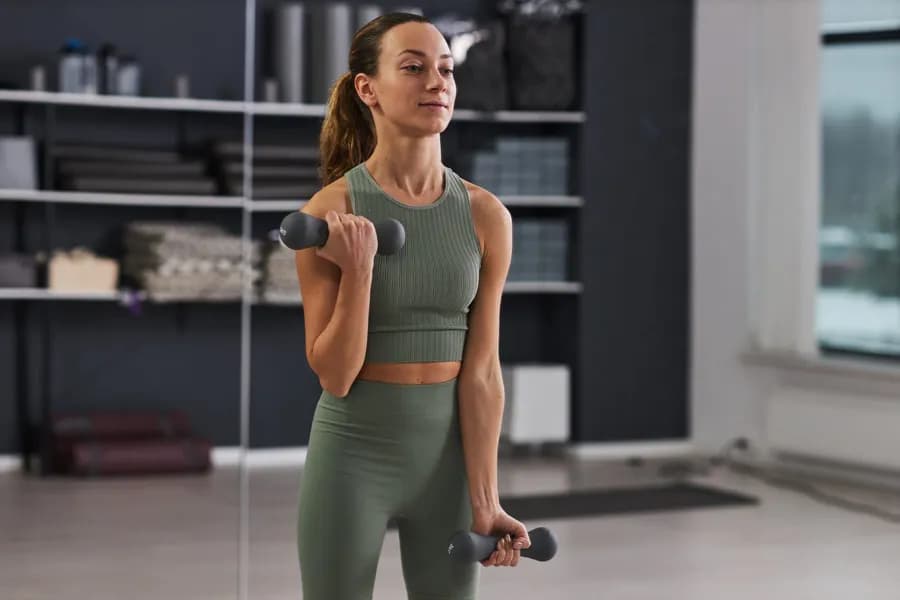
How to Do Bicep Curls Correctly
Elbows pinned at your sides, palms facing up, a slow two-to-three-second lower, and a weight that challenges without momentum — that's the difference between building real arm strength and wasting reps. See the full technique.
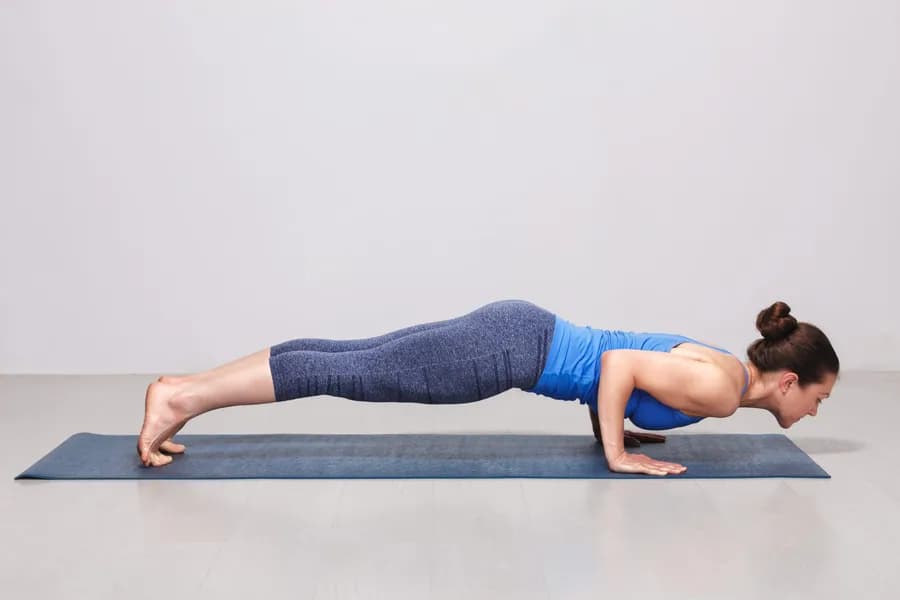
How to Fix Muscle Imbalances: A Practical Guide
When one side of the body is noticeably stronger or tighter than the other, targeted unilateral training can reduce injury risk and unlock strength progress bilateral exercises can't. See the practical guide.
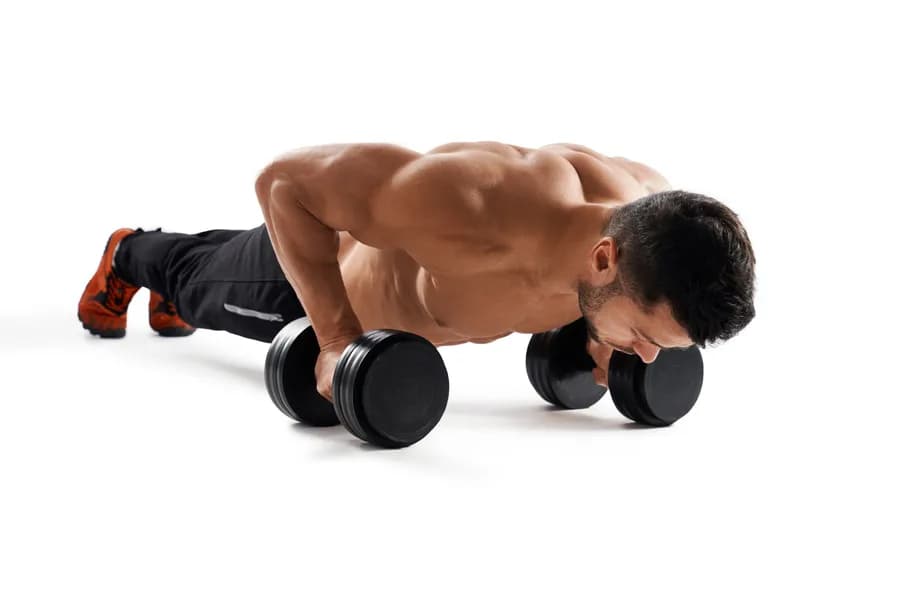
Exercises for Upper Crossed Syndrome: A Practical Guide to Correcting Posture and Rebuilding Strength
The chest, upper trapezius, and levator scapulae grow overactive and tight while the deep neck flexors and lower trapezius weaken — daily corrective exercises ease this over four to twelve weeks. See the full guide.
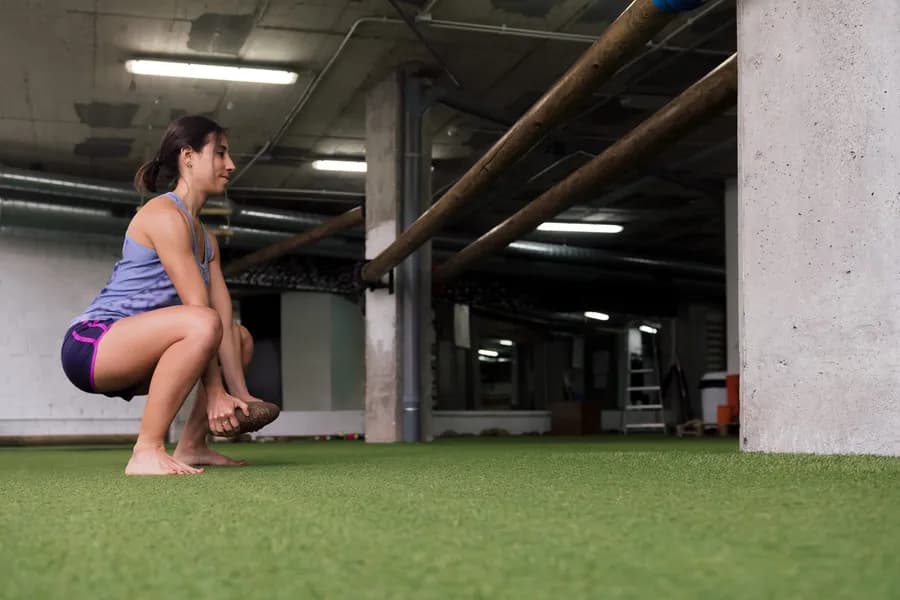
What Muscles Do Squats Work?
Squats recruit the quadriceps, glutes, hamstrings, hip flexors, core stabilisers, and calves simultaneously — the exact emphasis shifts with variation, stance, and depth. See the full muscular breakdown.