
Balasana (Child’s Pose): Steps and Benefits for Mind and Body
Try balasana with Habuild. Practice the balasana pose to relieve stress, ease back tension, and deeply relax your body and mind. Start your yoga session now!
Key Takeaways
- Named after the foetal, surrendered quality that recalls the safety of early childhood.
- Even three to five minutes provides significant, immediate lower back relief.
- The wide-knee variation is specifically gentler for practitioners with hip sensitivity.
- Functions simultaneously as active stretch, recovery pause, and gentle inversion in one pose.
- Offered throughout every Habuild session as the practitioner’s refuge whenever needed.
- Stretches the entire posterior chain, from hamstrings to shoulders, with zero muscular effort.
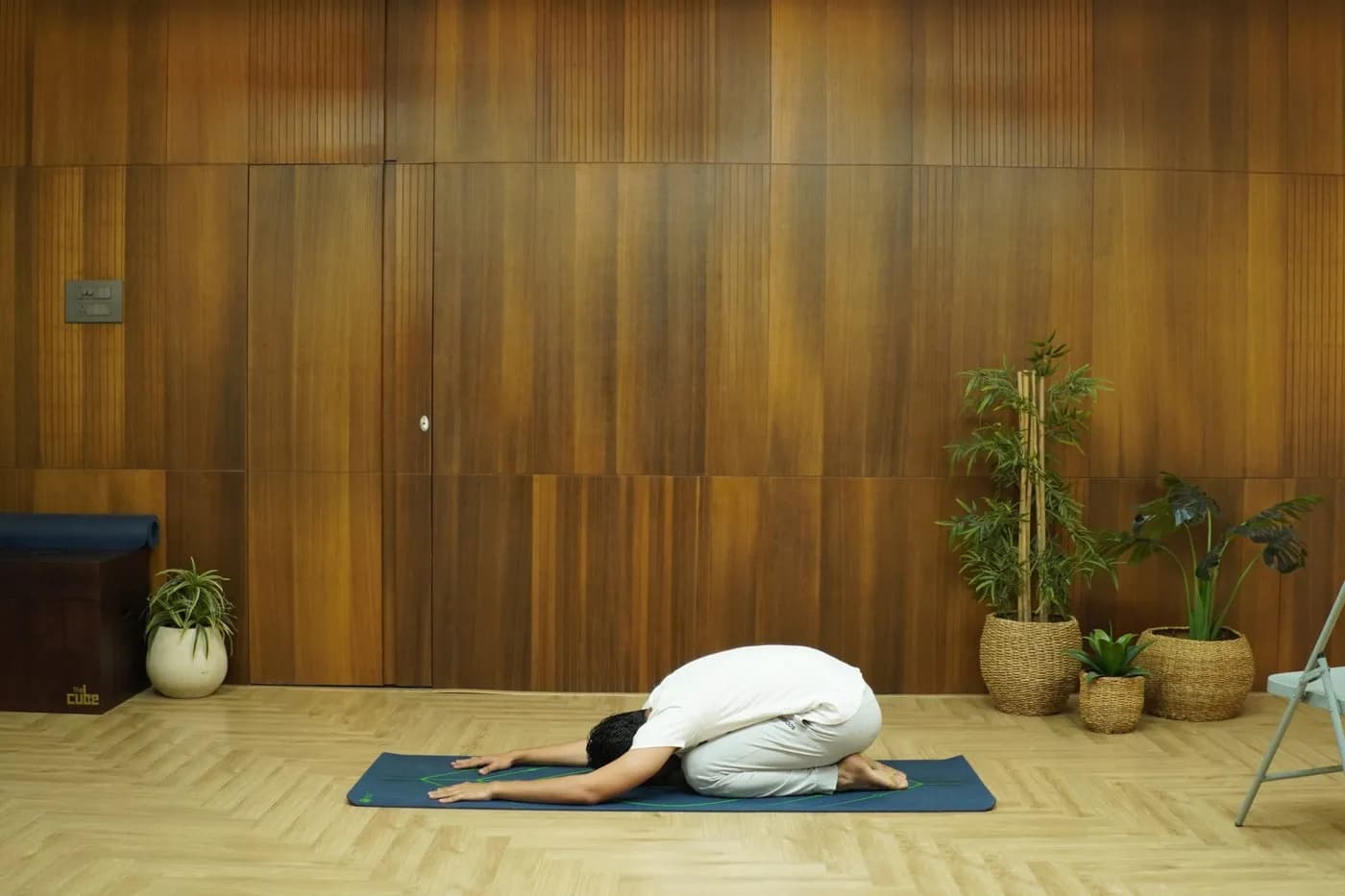
Balasana, or Child’s Pose, is a restorative forward fold that decompresses the spine, opens the hips, and deeply calms the nervous system. It provides immediate relief from lower back tension and anxiety and serves as the definitive rest posture within any yoga practice. Accessible to all practitioners at every stage.
What is Balasana?
Balasana — universally known in English as Child’s Pose — is the most beloved restorative posture in yoga and the definitive sanctuary of rest within any practice. The name derives from Sanskrit: Bala meaning child, and asana meaning posture — reflecting the foetal, surrendered quality of the pose that recalls the deep safety and rest of early childhood. Balasana is performed kneeling with the torso folded forward over the thighs, the forehead resting on the mat, and the arms either extended forward or resting alongside the body.
The balasana pose occupies a unique role in yoga practice: it is simultaneously an active stretch of the posterior chain, a restorative recovery posture between more demanding asanas, a gentle inversion that calms the nervous system, and a refuge of stillness the practitioner can return to at any moment throughout a session.
At Habuild, Balasana is offered as a rest posture throughout our sessions — encouraged whenever a practitioner needs to recover, release, or pause and breathe. It is also practised as a deliberate therapeutic posture for back pain relief, stress reduction, and hip opening.
Balasana Benefits
Physical Benefits
- Releases Lower Back Tension and Decompresses the Spine The forward fold of Balasana gently tractions the lumbar spine — creating a comfortable decompression of the intervertebral discs and a sustained stretch of the spinal erectors, thoracolumbar fascia, and sacroiliac ligaments. Even three to five minutes of Balasana provides significant and immediate lower back relief for practitioners dealing with the accumulated posterior chain tension of a sedentary day.
- Opens the Hips and Stretches the Glutes The wide-knee variation of Balasana — knees spread to the edges of the mat — creates a deep, gentle stretch of the hip external rotators, gluteal muscles, and inner thighs. This hip opening is progressive and patient rather than intense, making it particularly suitable for those with hip sensitivity who find more demanding hip-opening postures overwhelming.
- Gently Stretches the Entire Posterior Chain The full forward fold of Balasana stretches the hamstrings, calves, thoracic spine extensors, and shoulder and upper back musculature simultaneously — all without any muscular effort. This comprehensive posterior chain lengthening through complete release is the signature therapeutic quality of the posture.
Mental and Emotional Benefits
- Deeply Calms the Nervous System The foetal, inward quality of Balasana activates the parasympathetic nervous system powerfully — reducing cortisol, slowing the breath, lowering heart rate, and producing the safe, contained feeling the surrendered posture naturally evokes. Consistent practice produces sustained improvements in stress resilience and autonomic nervous system balance.
- Reduces Anxiety and Mental Overwhelm The closed, inward, sheltering quality of the pose — the forehead touching the earth, the body curled in on itself — creates a powerful sense of psychological safety and containment. For practitioners dealing with anxiety or the overstimulation of modern life, Balasana offers an immediate, reliable, physical way to create the inner shelter that anxious states need.
How to Do Balasana — Step-by-Step Instructions
Key Principles
Key Principles Balasana’s therapeutic effectiveness rests on complete physical surrender — there is no correct depth, no performance, and no achievement. The only instruction is to release. The wide-knee variation provides deeper hip opening; the narrow-knee variation provides more direct spinal traction. Both are valid; choose based on the therapeutic intention of the moment.
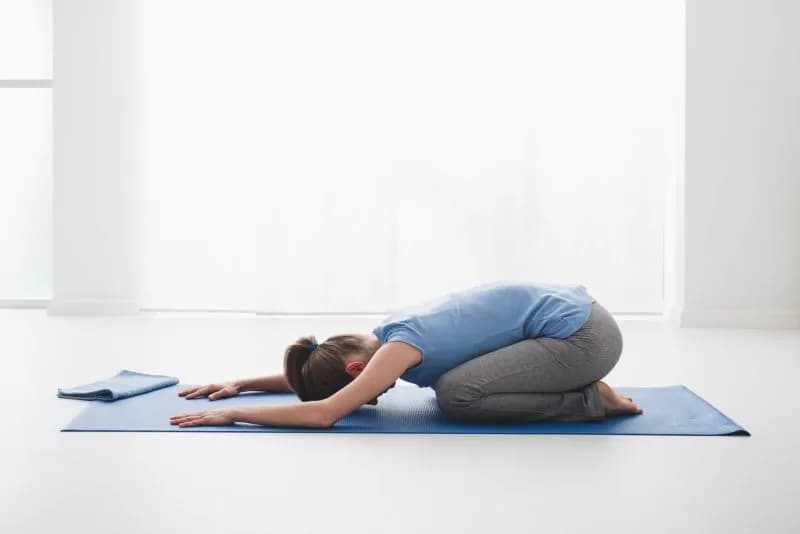
Balasana — Step by Step Step 1: Starting Kneeling Position Begin in Vajrasana — kneeling upright with the hips resting on the heels. For the narrow-knee standard variation, keep the knees together. For the wide-knee variation, spread the knees to the outer edges of the mat while keeping the big toes touching.
Step 2: Fold Forward On an exhalation, fold forward from the hips — lowering the chest toward the thighs (narrow) or between the thighs (wide) and allowing the forehead to rest on the mat. Arms may extend forward in Extended Child’s Pose or rest alongside the body with palms facing upward in Resting Child’s Pose.
Step 3: Complete Release Allow the body to completely release — the hips sinking toward the heels, the spine rounding passively, the shoulders melting, and the forehead pressing gently into the mat. Close the eyes and breathe naturally.
Step 4: Breathe and Hold Hold for five breaths to five minutes depending on the purpose — shorter holds as a rest between active asanas, longer holds for therapeutic back pain relief or restorative practice.
Step 5: How to Come Out of Balasana On an inhalation, slowly walk the hands back and rise to the upright kneeling position — leading with the crown of the head and allowing the spine to unfurl sequentially.
Breathing in Balasana
Natural, slow, deepening breath throughout. The prone compression of the abdomen against the thighs in the forward fold naturally encourages diaphragmatic breathing — the belly pressing against the thighs on each inhalation and releasing on each exhalation. This contact provides a subtle internal abdominal massage alongside the posterior chain release.
Preparatory Poses Before Balasana
Balasana is often the preparation for practice rather than requiring preparation itself. When used therapeutically after demanding postures:
- Any standing sequence or Surya Namaskara — Balasana is the natural and immediate rest pose following any demanding standing sequence.
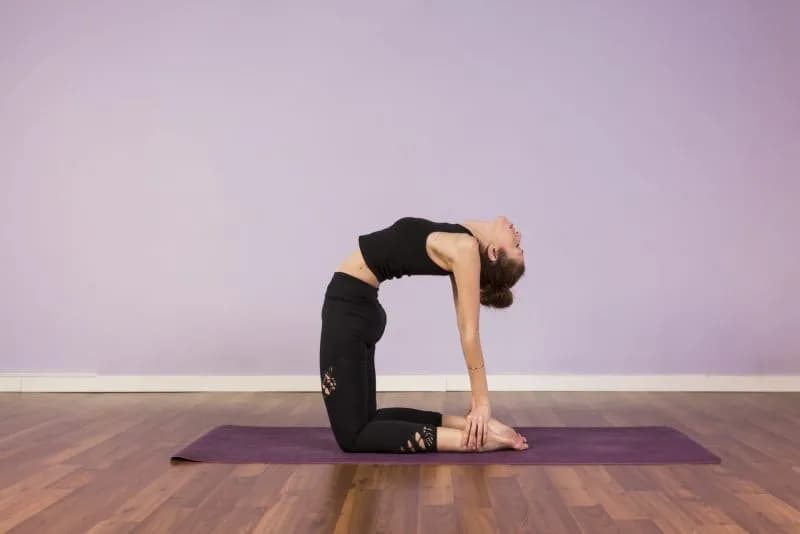
- Ustrasana (Camel Pose) — Balasana is the classical counter-pose following all kneeling backbends.
- Shalabhasana or Bhujangasana — Child’s Pose neutralises the prone spinal extension of backbend sequences.
Variations of Balasana
- Variation 1: Narrow-Knee Balasana — Standard Knees together, torso folded directly over the thighs, forehead on the mat. Provides the most direct spinal traction and posterior chain lengthening. Recommended when back decompression is the primary therapeutic goal.
- Variation 2: Wide-Knee Balasana — Hip Opening Knees spread to the outer edges of the mat, big toes touching, torso folding between the thighs. Provides deep gluteal and inner thigh opening alongside the spinal release. The most commonly practised and broadly accessible variation.
- Variation 3: Ananda Balasana — Happy Baby Pose A related but distinct supine posture — lying on the back with knees drawn toward the armpits, holding the outer feet. Creates a deep hip opening and inner groin stretch that complements the forward-folding hip release of Balasana. Particularly effective for anterior hip tension that the prone Balasana does not address.
Common Mistakes to Avoid in Balasana
- Not Allowing the Body to Fully Release The most common error in Balasana is holding residual muscular tension — particularly in the shoulders, neck, and hips — rather than surrendering completely to the posture’s support. Consciously scan for held tension with each exhalation and progressively release it throughout the hold.
- Lifting the Hips Away from the Heels Allowing the hips to lift away from the heels reduces the spinal traction and hip opening that make Balasana therapeutically effective. If hip tightness prevents the hips from reaching the heels, place a folded blanket between the thighs and heels — this support allows the body to rest into the posture rather than strain against it.
- Using Balasana as an Escape Rather Than a Practice Balasana is a genuine yoga posture with its own active therapeutic dimensions — it is not merely a break from practice. Bring the same quality of conscious breath awareness and present-moment attention to Child’s Pose that all other asanas receive.
Who Should Practise Balasana?
- Everyone — At Every Stage of Practice Balasana is the one yoga posture universally appropriate for all practitioners regardless of experience, age, or physical condition. Its restorative quality, accessibility, and immediate therapeutic effects on the spine and nervous system make it an essential component of every yoga practice, from a beginner’s first session to an advanced practitioner’s peak practice.
- Those Dealing with Anxiety and Nervous System Dysregulation Balasana’s rapid parasympathetic activation and its quality of physical shelter and containment make it specifically valuable for practitioners dealing with anxiety, panic, or the overwhelm of chronic stress. Five deep breaths in wide-knee Child’s Pose is one of yoga’s most reliably effective acute anxiety interventions.
- Is Balasana Good for Beginners? Yes — Balasana is often the first posture beginners learn and is accessible with no preparation, no flexibility, and no strength. Its role as the universal rest posture of yoga makes it one of the most important postures in the entire system regardless of experience level.
Make Balasana a Part of Your Daily Practice
Balasana is the yoga tradition’s most universal and unconditionally accessible posture — its forward fold delivering spinal decompression, hip opening, and nervous system calming to every practitioner who settles into it, regardless of flexibility, strength, or experience. Its role as the practice’s sanctuary of rest makes it simultaneously the most frequently used and one of the most therapeutically significant postures in yoga.
Whether you are using Balasana as a five-breath rest between demanding postures, a therapeutic five-minute lower back release after a desk day, or an extended restorative practice in its own right, the posture meets you exactly where you are and delivers its gifts unconditionally.
The most effective way to learn Balasana and integrate it correctly into a complete daily yoga practice is under live expert guidance with Habuild.
Start your 14 day free yoga journey with Habuild, today!
Related reads: Balasana Benefits: 10 Reasons to Practise Child’s Pose Every Day · Ananda Balasana (Happy Baby Pose): Steps and Restorative Benefits
Child’s Pose can feel like an instant reset, but the deeper relief from back tension and stress builds when Balasana becomes a recurring pause in your day rather than an occasional one. The body seems to relax faster into a shape it recognises. Habuild’s Yoga Everyday program uses restorative poses like this to close out sessions, so the calm has a chance to accumulate over time.
Frequently Asked Questions
Related Articles
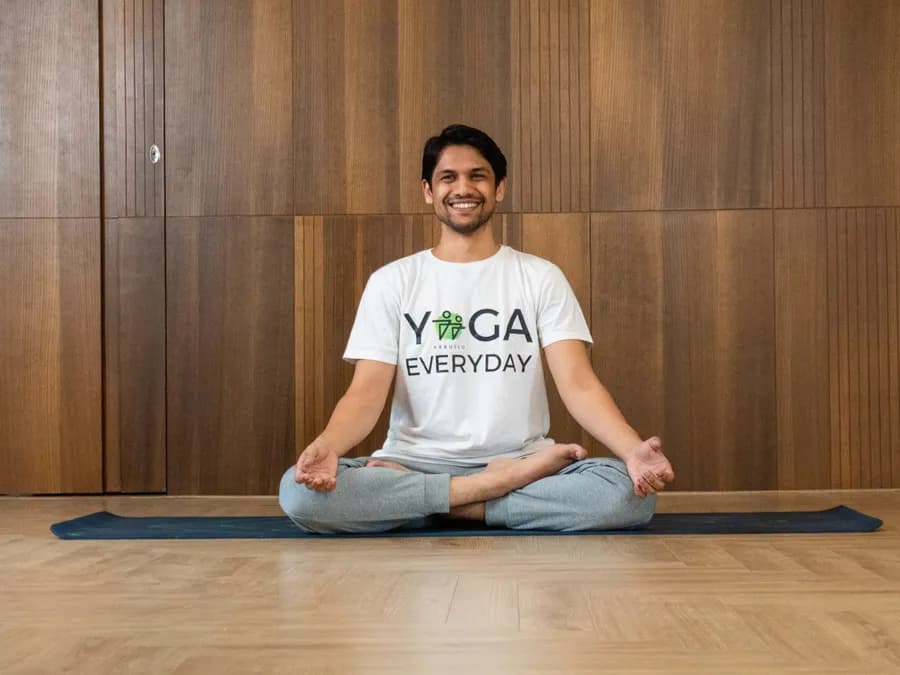
Sukhasana (Easy Pose): Steps Benefits and Meditation Foundation
Try sukhasana with Habuild. Discover the sukhasana pose to improve posture, reduce stress, and cultivate a calm and focused mind. Start your session today!
Bhadrasana (Gracious Pose): Steps and Hip Flexibility Benefits
Try bhadrasana with Habuild. Practice bhadrasana yoga to open the hips, calm the nervous system, and strengthen your pelvic floor. Start your session today!
Shalabhasana (Locust Pose): Steps, Back Benefits and Precautions
Practice shalabhasana with Habuild. Try shalabhasana yoga to strengthen your back, improve posture, and boost core strength. Start your yoga session today!
Makarasana (Crocodile Pose): Steps and Relaxation Benefits
Try makarasana with Habuild. Explore the makarasana pose to relieve back pain, reduce stress, and improve your spinal flexibility. Start your yoga today now!
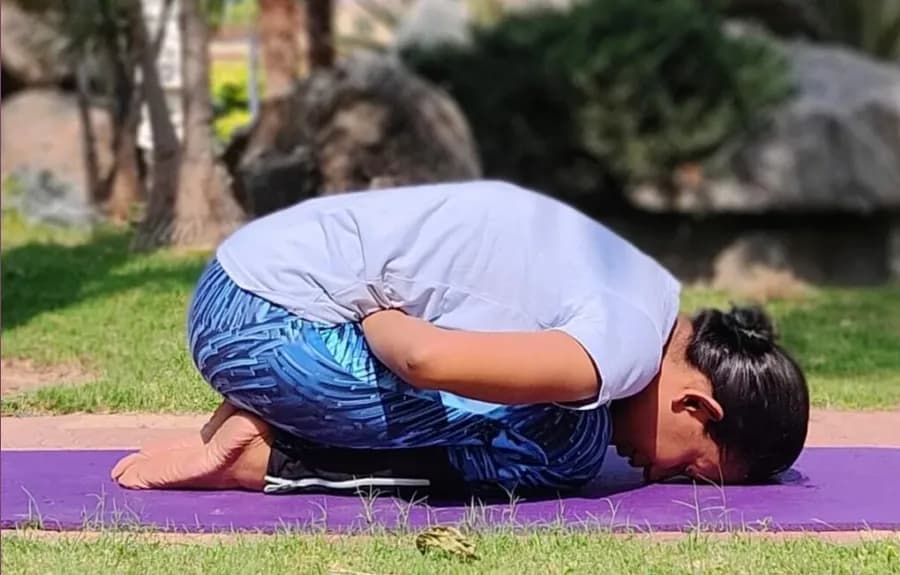
Mandukasana (Frog Pose): Steps Benefits for Diabetes and Digestion
Practice mandukasana with Habuild. Master the mandukasana pose to improve digestion, open the hips, and relieve abdominal tension. Start your yoga session!
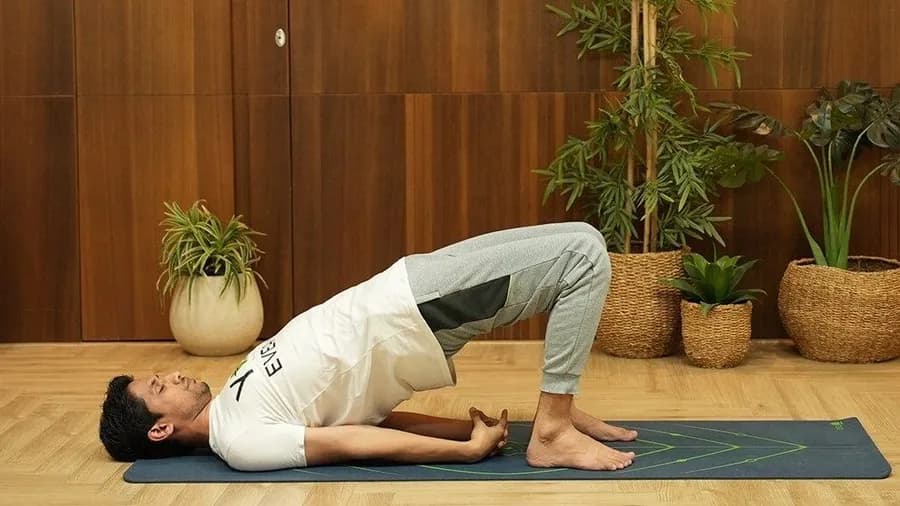
Setu Bandhasana (Bridge Pose): Steps Benefits and Modifications
Try setu bandhasana with Habuild. Master the setu bandhasana bridge pose to strengthen your spine, open the chest, and reduce stress. Start your session now!