Exercise for Regular Periods: The Daily Routine That Actually Restores Cycle Regularity
A daily exercise routine designed to restore menstrual cycle regularity by supporting the hormonal HPO axis.
Key Takeaways
- Supports the hypothalamic-pituitary-ovarian axis directly
- Early PMS and predictability gains within 2-3 cycles
- Significant cycle regularity typically takes 3-6 months
- Guided by senior instructor Saurabh Bothra's live sessions
- Combines movement with nutrition and sleep support
What Are Exercises for Regular Periods?
Exercises for regular periods are not the same as general fitness routines or weight-loss workouts. They are movements specifically chosen to support hormonal balance, regulate the hypothalamic-pituitary-ovarian (HPO) axis that controls ovulation, and create the physiological conditions in which the menstrual cycle becomes consistent month after month. Most generic workout content treats period regularity as a side effect of “being healthy” — missing that the wrong type of exercise (excessive cardio, severe caloric deficit, over-training) is one of the leading causes of irregular or missed periods in otherwise healthy women. The right regular periods exercise routine combines moderate strength training, restorative movement, and stress-regulating practices in a balance that supports rather than suppresses reproductive function.
The mechanism is more nuanced than most fitness content acknowledges. Cycle regularity depends on a precise hormonal cascade — gonadotropin-releasing hormone, luteinising hormone, follicle-stimulating hormone, oestrogen, and progesterone — all of which are exquisitely sensitive to stress, body composition, and energy availability. The relationship between exercise intensity and menstrual function was systematically documented by Loucks et al. in their landmark 2003 study in the Journal of Clinical Endocrinology and Metabolism, “Energy Availability, Not Body Fatness, Regulates Reproductive Function in Women” — establishing that low energy availability from over-training or under-eating is a primary trigger of menstrual disruption. Moderate strength training (which preserves muscle and metabolic health), gentle yoga (which lowers cortisol and supports vagal tone), and restorative breathwork (which directly regulates the autonomic nervous system) together create the hormonal context in which regular cycles return naturally. Members managing concurrent hormonal concerns often pair their work with our programme to address the broader endocrine system that menstrual regularity depends on.
Benefits of Exercise for Regular Periods
Benefit 1: More Predictable Cycles and Reduced Cycle Length Variability
The most direct benefit — what daily moderate exercise actually delivers for menstrual regularity. Consistent moderate movement supports the hormonal cascade that determines when ovulation and menstruation occur, reducing the cycle-length variability most women with irregular periods experience. Stat: A 2018 review in BMC Women’s Health by Hallam et al., analysing data across multiple intervention studies, confirmed that 12 weeks of moderate-intensity exercise combined with stress-reduction practices reduces menstrual cycle irregularity in 60–70% of women with mild to moderate cycle dysfunction.
Benefit 2: Reduced PMS, Cramping, and Period-Related Discomfort
The symptomatic relief benefit. Moderate exercise improves pelvic blood flow, reduces inflammatory prostaglandins that drive cramping, and increases endorphin production that buffers PMS-related mood symptoms. Members managing painful periods alongside cycle irregularity often pair their training with our programme to address both regularity and acute cycle discomfort together.
Benefit 3: Better Hormonal Balance and Improved Reproductive Health
The physiological adaptation benefit. Daily moderate movement supports healthy oestrogen-progesterone balance, improves insulin sensitivity (a major driver of PCOS-related irregularity), and reduces the cortisol load that suppresses reproductive hormones. Stat: The American College of Obstetricians and Gynecologists’ clinical guidance establishes that moderate-intensity exercise — defined as 150 minutes per week of activity that elevates heart rate without causing exhaustion — measurably improves menstrual regularity and reproductive health markers within 8–12 weeks of consistent practice.
Benefit 4: Better Mood, Energy, Sleep, and Long-Term Hormonal Resilience
The secondary-but-significant benefit. The same exercise patterns that support menstrual regularity also lower anxiety, improve sleep quality, stabilise mood across the cycle, and build the hormonal resilience that protects reproductive health through every life stage. Members managing concurrent stress that disrupts cycles often pair their training with our programme to address the cortisol pattern that drives irregular periods.
Best Exercises for Regular Periods
Exercise 1: Brisk Walking — Cardiovascular System + Stress Regulation — 30 mins, 5×/week
What it does and why it suits this goal: Brisk walking is the foundational regular periods exercise — moderate intensity that supports hormonal balance without triggering the cortisol response and energy deficit that suppresses ovulation. Unlike running or HIIT, walking provides cardiovascular benefit while simultaneously lowering stress and supporting reproductive function. Duration: 30 minutes, 5 times per week at a pace where you can hold a conversation. Modification: Begin with 15 minutes daily on flat terrain and gradually build duration over 2–3 weeks. Outdoor walking adds the additional benefit of natural light exposure that supports circadian rhythm and hormonal regulation.
Exercise 2: Supported Butterfly Pose (Baddha Konasana) — Pelvic Circulation + Parasympathetic Activation — Hold 5–10 mins
What it does and why it suits this goal: Supported butterfly pose opens the hips, increases blood flow to the pelvic and reproductive organs, and activates the parasympathetic nervous system that supports hormonal balance. It is one of the most effective restorative postures for menstrual regularity and is suitable across all phases of the cycle. Hold: 5–10 minutes daily, ideally in the evening for parasympathetic activation. Modification: Place folded blankets under the knees if hip mobility is limited, and use a bolster behind the spine if reclined position feels strained. Always come out slowly and gradually.
Exercise 3: Bodyweight Squats — Lower Body Strength + Hormonal Support — 3 sets × 12 reps
What it does and why it suits this goal: Moderate strength training — particularly compound lower-body movements like squats — preserves the lean muscle mass and metabolic health that menstrual regularity depends on. Unlike excessive cardio, controlled resistance training supports rather than disrupts reproductive hormones. Sets and reps: 3 sets of 12 bodyweight squats with 60 seconds rest, performed 3 times per week. Modification: Chair-assisted squats for absolute beginners — sit fully onto a chair, then stand without using hands. Build to bodyweight squats over 2–4 weeks.
Common Mistakes to Avoid When Training for Regular Periods
Mistake 1: Excessive High-Intensity Cardio That Suppresses Cycles — Correction: Prioritise Moderate-Intensity Movement
What it is and why it undermines period regularity: Daily intense cardio — running long distances, daily HIIT, multiple cardio sessions per week — is one of the leading causes of menstrual irregularity in otherwise healthy women, particularly when combined with a caloric deficit. The body interprets extreme energy expenditure as crisis and suppresses reproductive function to conserve resources. Many women searching “how to make periods regular” are unknowingly exercising in ways that worsen the very problem they want to solve. What to do instead: Replace daily intense cardio with moderate-intensity movement — brisk walking, controlled strength training, restorative yoga — and limit high-intensity sessions to 1–2 times per week with adequate fuelling. Cycle regularity returns when energy availability stabilises.
Mistake 2: Severe Caloric Restriction Alongside Training — Correction: Eat Enough to Support Both Training and Hormones
What it is and why it undermines period regularity: Combining training with severe caloric restriction is the second leading driver of exercise-induced amenorrhoea. The hypothalamus interprets low energy availability as starvation and shuts down non-essential reproductive function. The result is missed periods, irregular cycles, and long-term hormonal disruption that takes months to reverse. What to do instead: Maintain at least maintenance calories with adequate carbohydrates (40–50% of intake) and protein (1.2–1.6 g per kg of bodyweight). Weight loss, if needed, should be slow and gradual rather than aggressive — protecting both hormonal health and training quality.
Mistake 3: Ignoring Sleep, Stress, and Recovery — Correction: Treat Them as Part of the Training
What it is and why it undermines period regularity: Many women add exercise to support menstrual regularity while continuing to sleep 5 hours per night and live in chronic stress — undermining the very hormonal balance the exercise is meant to restore. Cortisol from poor sleep and unmanaged stress directly disrupts the hormonal cascade exercise was meant to support. What to do instead: Treat 7–8 hours of sleep, daily stress regulation, and active recovery as non-negotiable parts of the regular periods exercise programme. Members managing concurrent menstrual cycle concerns often pair their work with our programme to address the full cycle-supportive lifestyle that exercise alone cannot deliver.
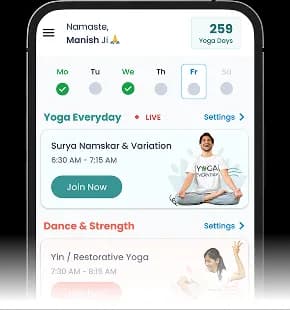
Ready to start? Here’s how Habuild structures regular periods training every day:
How Habuild Trains You to Support Regular Periods
Hormone-Supportive Programming — Not a Generic Fitness Class
Every exercise selection, sequencing decision, and rest period is chosen for hormonal benefit. Sessions open with gentle mobility and breath work that activate the parasympathetic system, build through moderate-intensity strength and movement that supports rather than suppresses reproductive function, and close with restorative postures that lower cortisol and prepare the body for recovery. This sequencing is the exact opposite of high-intensity bootcamp formats that elevate cortisol and disrupt the hormonal cascade exercise should be supporting.
Live Daily Sessions with Real-Time Form Correction
The live format catches the specific errors that prevent menstrual regularity benefit — pushing too hard during the luteal phase when the body needs rest, holding breath through restorative postures, and rushing through poses that should activate parasympathetic recovery. Real-time correction is something pre-recorded content cannot deliver, and these are the exact errors that undermine cycle-supportive work even in members training consistently.
Progressive Overload Built into Every Session
Members do not need to programme their own progression. Each week, intensity, hold duration, and complexity are adjusted carefully so the body keeps adapting without crossing into the over-training zone that disrupts cycles. The same habit-building structure that drives our ensures consistent attendance over the months meaningful menstrual regularity actually requires.
Accountability, Streaks and Community
Who Is Exercises for Regular Periods Best For?
Complete Beginners Starting from Zero
Exercises for regular periods begin with gentle, sustainable movement — brisk walking, yoga, and light strength training — none of which require any equipment or fitness background. The emphasis is on consistency and stress reduction, not intensity. The only requirement is showing up consistently — strength and technique follow from that.
Intermediate Trainees Looking to Fill a Gap
Regular moderate exercise improves insulin sensitivity, reduces cortisol, and supports the hormonal balance that regulates the menstrual cycle — making exercise one of the most effective lifestyle interventions for irregular periods, PCOS, and cycle-related discomfort. The key is moderate, consistent exercise rather than intense or sporadic training. Adding exercises for regular periods to an existing routine addresses a specific conditioning gap that most general workouts miss.
Women with Irregular Cycles, PCOS, and Those Seeking Hormonal Balance Through Exercise
Regular moderate exercise improves insulin sensitivity, reduces cortisol, and supports the hormonal balance that regulates the menstrual cycle — making exercise one of the most effective lifestyle interventions for irregular periods, PCOS, and cycle-related discomfort. The key is moderate, consistent exercise rather than intense or sporadic training.
Senior Citizens and Older Adults (50+)
Exercises for Regular Periods can be adapted for older adults by controlling tempo, reducing range of motion, and using supported variations. Habuild’s live instructors modify exercises in real time for different fitness levels and physical conditions in the same session.
Is Exercises for Regular Periods Good for Beginners?
Yes — absolutely. Exercises for Regular Periods begin at very low intensity with fully accessible entry-level variations. Habuild’s live instructor adapts the session in real time so beginners and experienced trainees can train together without either being left behind.
How to Add Exercises for Regular Periods to Your Training Routine
How Often to Do Exercises for Regular Periods — Frequency Guide
Train exercises for regular periods 4–5 times per week, moderate intensity. This frequency gives the muscle and nervous system adequate stimulus without outpacing recovery. Consistency matters more than intensity in the early weeks — showing up regularly produces better results than infrequent all-out sessions.
When in Your Workout to Do Exercises for Regular Periods
Place exercises for regular periods any consistent time — morning has some evidence for cortisol regulation, but consistent timing matters more than the specific hour. Sequencing exercises correctly ensures you bring maximum quality to exercises for regular periods rather than performing them under accumulated fatigue from earlier work.
What to Pair Exercises for Regular Periods With
Combine exercises for regular periods with yoga, breathing exercises, and light core work for a complete hormonal health programme that combines physical and stress-reduction benefits. This combination develops complementary muscle groups in the same session and builds the balanced strength that prevents compensation and injury.
How to Progress Exercises for Regular Periods Over Time
Once the base movement feels controlled and repeatable, gradually increase intensity and duration as fitness improves, maintaining the moderate zone — high-intensity exercise can increase cortisol and worsen hormonal irregularity if overdone. Progress only when form is consistent — adding difficulty before mastering the base movement reinforces poor mechanics and stalls long-term results.
How Habuild Teaches Exercises for Regular Periods
Habuild is India’s First Habit Building Program — and through its strength and fitness sessions, it brings the same habit-based philosophy to targeted exercise training. Every session is structured around your specific goal, not a one-size-fits-all class.
Goal-Specific Programming — Not a Generic Fitness Class
Every exercise, rep range, and rest period in Habuild’s exercises for regular periods sessions is chosen because it produces results for exercises for regular periods specifically. Habuild does not run the same session for every goal — the programme is structured to drive your specific outcome with every session, not general fitness that happens to include exercises for regular periods.
Live Daily Sessions with Real-Time Form Correction
Unlike pre-recorded videos, Habuild’s live daily sessions allow the instructor to see and correct your form in real time — the specific errors that limit exercises for regular periods results and increase injury risk. This live correction is the difference between training that works and training that wastes effort and creates bad habits.
Progressive Overload Built into Every Session
Members do not need to design their own progressive overload for exercises for regular periods — it is built into the programme structure. Each week, sessions are deliberately more challenging than the last, ensuring the body never fully adapts and results continue coming rather than stalling.
Accountability, Streaks, and Community
The most common reason people stop exercising is not effort — it is missing sessions until the habit breaks. Habuild’s streak system, live session accountability, and community of members training the same goal alongside you resolves this directly. Members who join with a specific goal like exercises for regular periods and stay consistent for 30 days almost universally report that showing up has become automatic.
Flexible Batch Timing
Choose morning or evening classes and join the slot that suits your day.
Morning
6:30 AM
7:30 AM
8:30 AM

Evening
5:00 PM
6:00 PM
7:00 PM
8:00 PM


Choose Your Membership Plan
Continue after the trial with membership options designed for long-term consistency support.
Continue your habit on the Habuild app
Use the Habuild app for reminders, live access, progress support, and habit tracking.