
What Is Functional Strength Training? Benefits, Exercises & Tips
Discover what is functional strength training, its top benefits, best exercises, and how to get started. Try Habuild's guided program with a 14-day free trial.
Key Takeaways
- Trains muscles to work together for lifting, pushing, pulling, squatting, and carrying at once.
- Most exercises require multiple muscle groups to fire simultaneously, sharpening coordination.
- Moving through full ranges of motion under light load helps maintain joint health over time.
- Nearly every exercise requires the core to stabilize the spine as an active participant.
- Multi-joint compound movements engage large muscle groups, raising energy demand per session.
- Runners, swimmers, and cyclists benefit since it strengthens activity-specific movement patterns.
Functional strength training is a method of exercise that trains your muscles to work together for real-life movements — lifting, pushing, pulling, squatting, and carrying. Unlike isolated gym exercises, it builds strength that carries over directly into how your body moves every day, making it one of the most practical and beginner-friendly approaches to getting stronger.
Whether you're starting from zero or looking to move better and feel stronger at home, this guide covers everything you need to know about what functional strength training is — and why it's worth building into your routine.
7 Benefits of Functional Strength Training
- Builds Practical, Everyday Strength Functional training develops strength in movement patterns your body actually uses — bending, rotating, stepping, and balancing. The effort you put in translates directly to feeling more capable in daily life.
- Improves Balance and Coordination Most functional exercises require multiple muscle groups to fire simultaneously. Over time, this trains your nervous system to coordinate movement more efficiently, supporting better balance and body control.
- Supports Joint Mobility and Stability By moving through full ranges of motion under light to moderate load, functional training may gradually help maintain joint health and reduce the stiffness that builds up from long hours of sitting. It complements your existing care — not a replacement for medical advice.
- Reduces Injury Risk Through Better Movement Patterns When your body learns to move well, it's less likely to compensate with poor mechanics. Regular functional training builds the postural and movement habits that may help lower your risk of common aches and strains over time.
- Enhances Core Strength Continuously Almost every functional exercise requires your core to stabilize your spine — not in isolation, but as an active participant in every move. For a practical starting point, explore these core strength exercises that pair well with functional training.
- Boosts Metabolic Efficiency Multi-joint, compound movements engage large muscle groups simultaneously. This raises energy demand during sessions and may support better metabolic function over time with consistent practice.
- Transfers Across Sports and Activities Runners, swimmers, cyclists, and recreational athletes all benefit from functional strength work because it strengthens the muscles and movement patterns specific to their activity. The carry-over is broad and practical.
How to Get Started with Functional Strength Training
What You Need to Begin
Almost nothing. Most foundational functional exercises require only your bodyweight. A small open space — even a living room — is enough. A resistance band or pair of light dumbbells can add variety as you progress, but they are entirely optional to start.
Setting Realistic Goals
The biggest mistake beginners make is doing too much too soon. Begin with two to three sessions per week, focusing on movement quality over quantity. Aim to feel stronger and more mobile after four to six weeks before increasing intensity. Consistency over four weeks will deliver more than an intense two-day burst every month.
Understanding the principles behind functional strength training will help you build a realistic, sustainable plan from day one.
Start with the Basics
Begin with five fundamental movements: squat pattern, hinge pattern, push, pull, and carry or brace. Master bodyweight versions first. Once you can perform ten clean repetitions of each with steady breathing and stable posture, you're ready to add challenge. Three sets of eight to twelve repetitions per exercise is a reliable starting point.
Best Exercises for Functional Strength Training
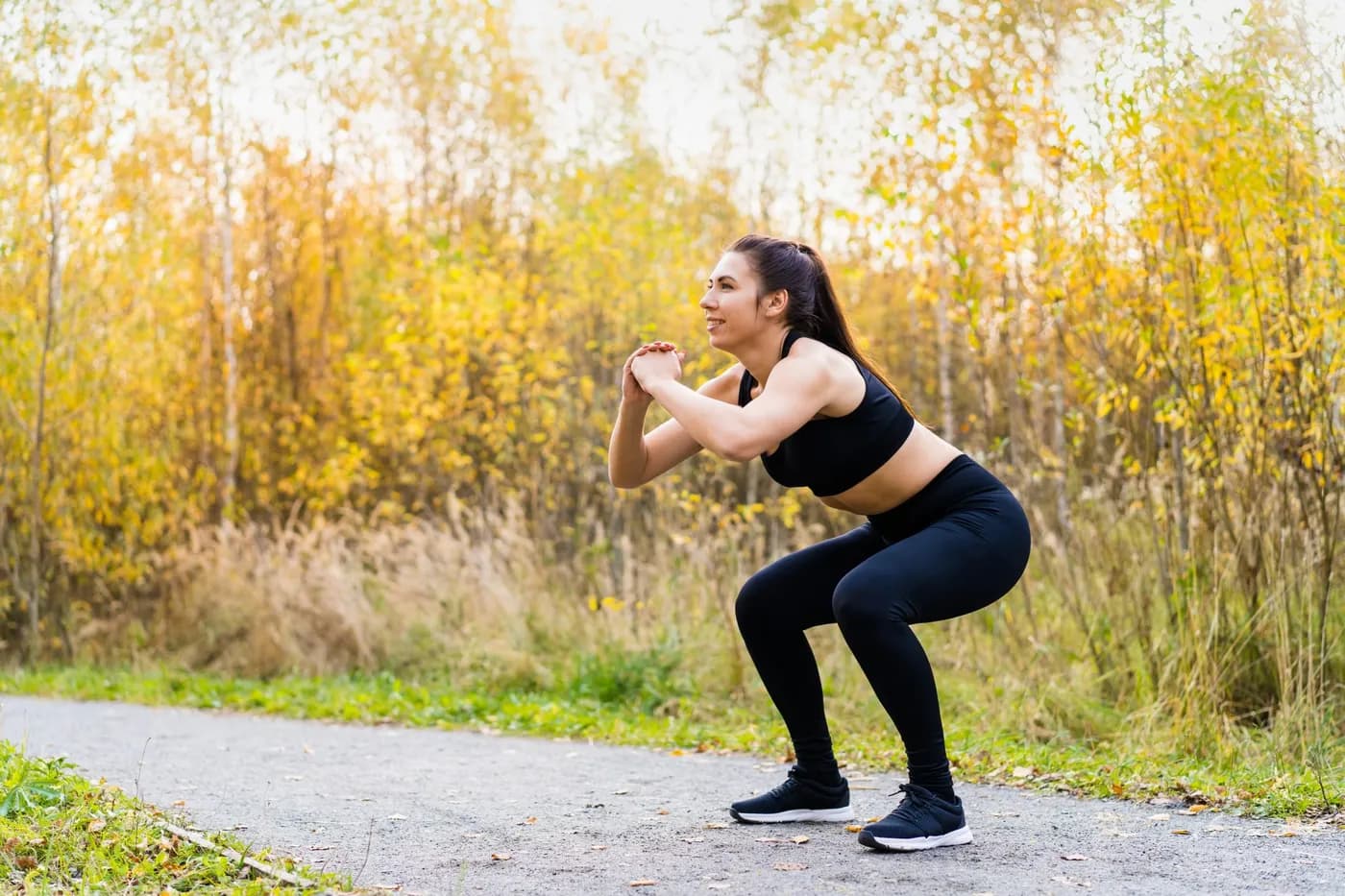
Bodyweight Squat
The squat trains hip, knee, and ankle mobility alongside quad, glute, and core strength — all in one movement. Stand feet shoulder-width apart, lower until thighs are parallel to the floor, then drive back up. Aim for 3 sets of 12–15 reps.
Push-Up
Push-ups build pressing strength in the chest, shoulders, and triceps while demanding core stability throughout. Keep your body in a straight line from head to heel. Start with 3 sets of 8–10 reps and progress from there.
Romanian Deadlift (Bodyweight or with Light Dumbbell)
The hip hinge is one of the most important functional movement patterns you can train. Stand tall, push hips back, lower hands down your legs keeping your back flat, then return to standing. 3 sets of 10 reps is a solid start.
Reverse Lunge
Lunges train single-leg stability — critical for walking, climbing stairs, and changing direction. Step backward, lower your rear knee toward the floor, then return. Alternating legs, perform 3 sets of 10 reps each side.
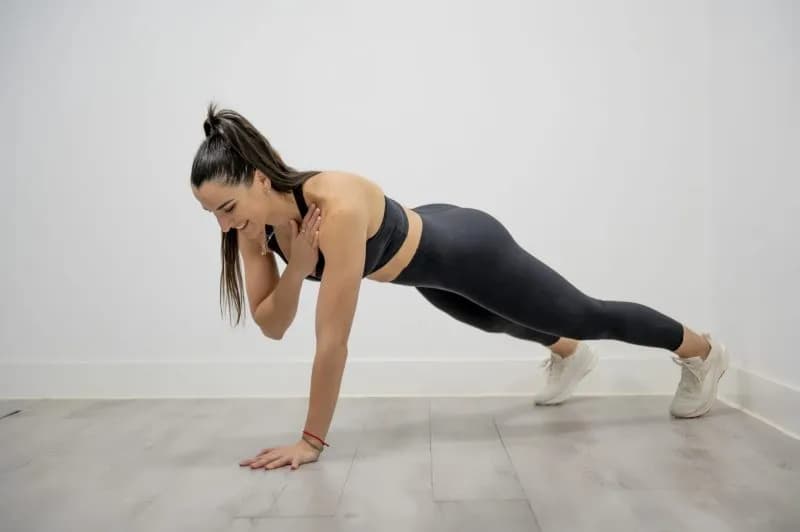
Plank with Shoulder Tap
This builds anti-rotation core stability — the ability to keep your spine still while your limbs move. From a push-up position, tap one hand to the opposite shoulder while your hips stay level. Aim for 3 sets of 20 taps total. See how to build core strength through plank variations to deepen this foundation.
Dumbbell Row (or Resistance Band Row)
Pulling movements balance out pressing exercises and train the upper back muscles that support posture. Hinge at the hips, let the weight hang, and row it toward your hip. 3 sets of 10–12 reps per side.
Glute Bridge
Lying on your back, feet flat on the floor, drive your hips toward the ceiling and hold for a second at the top. This activates the glutes and hamstrings while gently mobilizing the hip flexors. 3 sets of 15 reps is ideal for beginners.
Common Mistakes to Avoid
- Poor Form Moving faster or heavier than your current mobility and stability allows is the single biggest error in functional training. Prioritize form first — poor mechanics under load accelerate joint wear rather than building resilience. If a movement feels awkward, reduce the range or load and rebuild from there.
- Skipping the Warm-Up Cold muscles and stiff joints move poorly. Spend five to eight minutes on dynamic movements — hip circles, arm swings, leg swings, and light bodyweight squats — before your main session. This primes the nervous system and reduces discomfort during training.
- Overtraining More sessions do not always mean faster results. Muscle and connective tissue adaptation happens during recovery, not during the workout itself. If you feel persistently sore or fatigued, that's a signal to rest rather than push harder. Two to three sessions per week is sufficient for most people to see meaningful progress.
- Inconsistency Sporadic training — working hard for a week, then stopping for two — produces little lasting change. The body adapts to stress only when it encounters it repeatedly. A moderate, consistent routine three times a week over twelve weeks will outperform any intense but irregular approach.
Who Should Try Functional Strength Training?
- Beginners Functional training is one of the most beginner-friendly approaches to exercise because it starts with movements the body already knows. No complex machines or intimidating gym setups required. If you have never trained before, bodyweight functional exercises are a safe, practical starting point.
- Women Many women hesitate around strength training due to concerns about getting bulky. Functional training builds lean, functional muscle — not bulk. What it does produce is better posture, more energy, and a body that moves well. Learn more about strength training designed specifically for women.
- Older Adults Functional training is particularly valuable for adults over 50 because it directly supports the movements needed for independent daily living — standing from a chair, carrying groceries, maintaining balance. It may gradually support bone density and muscle retention when practiced consistently. Always consult your doctor before starting a new exercise program if you have existing health conditions.
- Working Professionals Desk-bound routines compress the hips, round the upper back, and weaken the posterior chain. Functional strength training addresses these patterns directly — improving posture and reducing the physical toll of long hours of sitting. Sessions can be completed in 30–40 minutes at home, making it practical for busy schedules.
Build Strength with a Routine That Actually Works
Building strength isn't about doing random workouts — it's about consistency, guidance, and following a structured plan. With the right support, you can train effectively from home and see real progress over time.
What You Get with Habuild's Strong Everyday Program:
- Daily live guided strength and yoga sessions
- Beginner to advanced progression built in
- No-equipment and home-friendly workouts
- Expert guidance to ensure correct form
- Community support to keep you consistent
Start Your Functional Strength Training Journey
Related reads: What Is Plyometric Training? Benefits, Exercises & Tips · Strength Training and Endurance: Benefits, Exercises & Tips
Functional strength shows up in daily life only after it's been trained deliberately and repeatedly — carrying groceries or climbing stairs with ease doesn't come from one workout, it comes from consistent, progressive training. Strong Everyday program is structured to build exactly that kind of durable, everyday strength, one guided session at a time.
What is a functional strength training workout in practice? Movement patterns like carrying, squatting, and climbing, trained deliberately. What is functional strength training vs HIIT comes down to goal: HIIT chases heart-rate spikes, functional work chases real-world capability. And what is functional training vs strength training more broadly is really a matter of emphasis — one prioritises movement quality, the other prioritises load.
Frequently Asked Questions
Related Articles

What Is Physical Fitness? Benefits, Exercises & How to Start
What is physical fitness? Discover 10 science-backed benefits of exercise, best moves to try, and how Habuild helps you build lasting fitness habits. Start for 14-day free trial.
Strength Training vs Resistance Training: Key Differences
Strength training vs resistance training — what's the difference? Explore benefits, exercises, and how to start. Try Habuild for 14-day free trial.
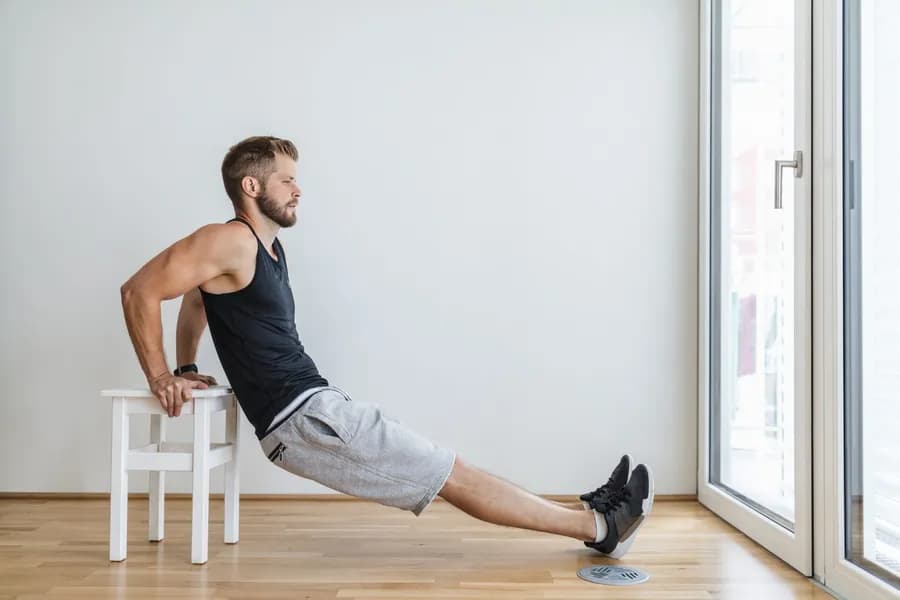
Strength Training Without Weights: Build Muscle at Home
Discover effective strength training without weights — exercises, routines, and tips to build muscle at home. Start your 14-day free trial trial with Habuild today.
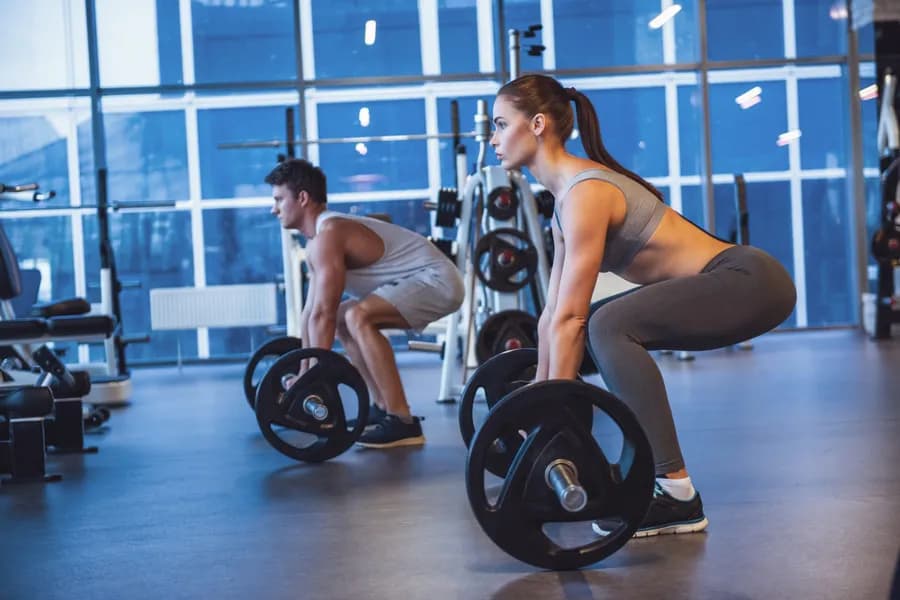
What Are Compound Exercises? Benefits & Best Moves
Squats, push-ups, deadlifts, and rows work two or more muscle groups across multiple joints at once, training your body as a system. See the benefits and best moves.
What Is Isometric Exercise? Benefits, Examples & How to Start
What is isometric exercise? Learn how static holds build strength, who should try them, and how to start today with guided support from Habuild.