
How to Build Leg Muscles at Home
Squats, lunges, and glute bridges consistently train the quads, hamstrings, glutes, and calves — no gym or dumbbells needed. See the routine to build real leg strength.

Key Takeaways
- Legs contain the largest muscle groups in the body, giving leg training an outsized effect.
- Weak glutes and hamstrings are a common hidden cause of lower back discomfort.
- Improved strength and endurance typically show within 2-3 weeks; visible tone around 6-8.
- Master the squat, hinge, and lunge patterns before adding reps or advanced variations.
- Progress to a backpack or water bottles for added resistance – neither is required to start.
Building leg muscles at home is entirely achievable with bodyweight exercises like squats, lunges, and glute bridges. The key is training the quads, hamstrings, glutes, and calves consistently — at least 3 sessions per week — with progressive effort. No gym, no dumbbells, and no membership required to see real results.
If you want to know how to build leg muscles at home, you’re in the right place. Strong legs are the foundation of every movement you make — from climbing stairs to staying injury-free as you age. With the right exercises, progressive effort, and consistent practice, you can develop powerful, well-defined legs entirely from your living room.
6 Key Benefits of Building Leg Muscles at Home
- Builds Functional Lower-Body Strength Training your legs at home develops the same muscles used in daily movement — squatting, walking, and carrying weight. Stronger legs mean fewer injuries and better performance in every physical activity you do.
- Boosts Overall Metabolism Your legs contain the largest muscle groups in the body. When you train them consistently, your metabolic rate increases — meaning your body burns more energy even at rest. Strength training for metabolism explains how leg training is one of the most effective starting points for long-term metabolic improvement.
- Improves Bone Density Resistance-based leg exercises apply healthy stress to your bones, stimulating bone remodeling. This is especially valuable for women and adults over 40, where bone density naturally tends to decline over time.
- Supports Fat Loss and Body Composition Larger muscles require more energy to sustain. Building leg muscles contributes to a leaner body composition over time — not just aesthetically, but in terms of overall health markers.
- Enhances Posture and Reduces Back Pain Weak glutes and hamstrings are a common hidden cause of lower back discomfort. Strengthening your legs — particularly the posterior chain — helps stabilize the pelvis and spine, which may gradually ease chronic tension in the lower back.
- Requires Zero Equipment to Begin Every exercise in this guide can be done with bodyweight alone. You can progress to added resistance with a backpack, water bottles, or resistance bands as you get stronger — but none of it is required to see real results.
How to Get Started with Building Leg Muscles
What You Need to Begin
Setting Realistic Goals
Expecting visible muscle growth in a week is the fastest way to quit. A more honest timeline: you’ll notice improved strength and endurance within 2–3 weeks. Visible changes in muscle tone typically begin showing around 6–8 weeks of consistent training.
The real goal in your first month isn’t transformation. It’s building the habit. Once showing up daily becomes automatic, the physical results follow.
Start with the Basics
Wondering how to strengthen leg muscles at home? Before loading up on reps or advanced variations, master the basic movement patterns: the squat, the hinge (like a glute bridge), and the lunge. These three patterns form the foundation of every effective leg workout.
For a broader foundation, strength training for beginners covers the essential principles you need before diving into any specific program.
Best Exercises to Build Leg Muscles at Home
Bodyweight Squats
The foundational leg exercise. Stand with feet shoulder-width apart, toes slightly out. Lower until your thighs are parallel to the floor, keeping your chest tall and knees tracking over your toes. Drive through your heels to return. 3 sets × 15–20 reps. This targets your quads, glutes, and hamstrings simultaneously.
Reverse Lunges
Step one foot back and lower your rear knee toward the floor, keeping the front shin vertical. Reverse lunges place less stress on the knee than forward lunges, making them ideal for beginners and those with knee sensitivity. 3 sets × 10–12 reps per leg.
Glute Bridges
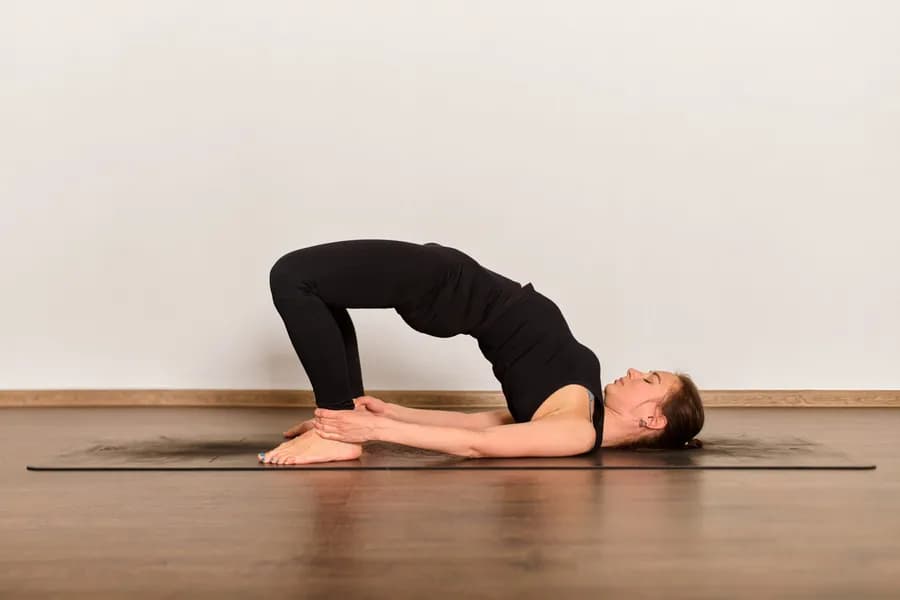
Lie on your back with knees bent and feet flat on the floor. Press your hips toward the ceiling, squeezing your glutes at the top for two seconds. This is one of the most effective posterior chain exercises you can do without equipment. 3 sets × 15 reps. Elevate your feet on a chair to increase difficulty.
Wall Sit
Slide your back down a wall until your thighs are parallel to the floor, as if sitting in an invisible chair. Hold for 30–60 seconds. This isometric exercise builds quad endurance and is genuinely challenging despite looking simple. 3 rounds × 30–45 seconds.
Single-Leg Romanian Deadlift (No Weight)
Stand on one foot, hinge at the hips while extending the opposite leg behind you, and lower your torso toward the floor. This trains your hamstrings, glutes, and balance at once. 3 sets × 8–10 reps per leg. Holding a wall lightly for balance is fine when learning.
Jump Squats
Perform a standard squat, then explode upward off both feet, landing softly back into the squat position. Jump squats develop power in the fast-twitch muscle fibres in your quads and glutes. 3 sets × 10 reps. Skip this if you have knee or ankle concerns.
Calf Raises
Stand near a wall for balance. Rise onto the balls of your feet as high as possible, pause for a second at the top, and lower slowly. Calves are often undertrained — but they’re critical for ankle stability and complete lower-body development. 3 sets × 20–25 reps.
Common Mistakes to Avoid When Training Legs at Home
- Poor Form Under Fatigue When your legs tire, form breaks down fast — knees cave inward, the lower back rounds, and injury risk rises. It’s better to stop a set two reps early with good form than to grind through five more with bad positioning. Record yourself occasionally to check alignment.
- Skipping the Warm-Up Cold muscles and joints moving into deep squats or explosive jumps is a reliable path to strains. Spend 5–7 minutes on dynamic warm-up movements: leg swings, hip circles, bodyweight squats at half-depth, and ankle rotations. Your warm-up isn’t wasted time — it’s part of the workout.
- Only Training the Front of the Leg Most beginners over-rely on squats and miss the posterior chain — hamstrings, glutes, and calves. This imbalance increases knee injury risk and limits how strong your legs actually become. Make sure glute bridges, single-leg deadlifts, and calf raises feature regularly in your routine.
- Inconsistency Between Sessions Training hard once a week and skipping the next two produces very little. Muscles grow during recovery from repeated, regular sessions. Aim for 3 leg-focused sessions per week with at least one rest day between them. The consistency gap — not the effort gap — is what most people need to close.
Who Should Try Home Leg Training?
- Beginners Home leg training is one of the most accessible entry points into fitness. Bodyweight exercises have a low barrier to entry: no technique to learn on machines, no weights to load, and no gym anxiety. Start with squats, bridges, and lunges — master them, and you’ll have a foundation that serves every fitness goal you have.
- Women There is a persistent myth that leg training will make women’s legs bulky. Women naturally have lower testosterone levels, and resistance training — especially at home without heavy external load — builds shape, tone, and functional strength, not bulk. Strength training for women covers this in detail, including how to structure your training for the best results.
- Older Adults Leg strength is directly linked to independence and fall prevention as you age. Exercises like wall sits, glute bridges, and supported single-leg balance work are gentle enough for most older adults while still providing meaningful stimulus. Note: If you have osteoporosis, joint replacements, or cardiovascular conditions, consult your doctor before beginning any new exercise program.
- Working Professionals Sitting at a desk for 8+ hours shortens hip flexors, weakens glutes, and contributes to lower back pain. A 20-minute home leg session three times a week — before work, at lunch, or in the evening — directly counters these effects. No commute to a gym required.
Build Stronger Legs with a Routine That Actually Works
Building leg muscles at home isn’t about doing random workouts whenever you feel like it. It’s about following a structured plan, progressing at the right pace, and having guidance that keeps your form correct and your motivation intact. That’s exactly what Habuild’s Strong Everyday program is designed to do.
What you get with Habuild’s Strong Everyday program:
- Daily live guided strength sessions — legs, full body, and more
- Beginner-to-advanced progression built into the schedule
- No-equipment, home-friendly workouts you can do in 20–30 minutes
- Expert guidance on form so you train safely and effectively
- A community of thousands training alongside you daily
See how a properly programmed full body strength training plan — legs included — can change what consistency actually feels like.
Start Your Home Leg Training Journey
Related reads: How to Build Chest Muscles at Home · Leg Workouts at Home: Build Strong, Toned Legs Without Equipment
Squats and lunges lay the foundation, but real leg strength comes from training those same muscles again and again inside a plan that keeps raising the bar. Repeating the same routine indefinitely tends to plateau, while a structured program adjusts intensity as your legs adapt. Habuild’s Strong Everyday program offers that kind of guided, progressive strength training, built to take your leg workouts from a home routine to real, lasting strength.
Frequently Asked Questions
Related Articles

How to Build Chest Muscles at Home
A push-up progression — standard, wide-grip, incline, decline, and diamond variations — develops measurable pectoral strength within eight to twelve weeks. See the full plan.
Best Home Exercises for Muscle Gain
Push-ups, squats, planks, and rows can stimulate real muscle growth with controlled form and progressive tension over 8-12 weeks — no gym needed. See the full plan.

How to Build Shoulder Muscles: Exercises, Tips & a Routine That Works
Targeting all three deltoid heads — front, side, and rear — through pressing, raising, and pulling shows strength gains within four to six weeks. See the full routine.
Hamstring Workout at Home: Exercises, Benefits & Beginner Guide
A hamstring workout targets the three muscles along the back of your thigh, reducing knee and lower back strain with just bodyweight and minimal equipment. See the best exercises and how to start.
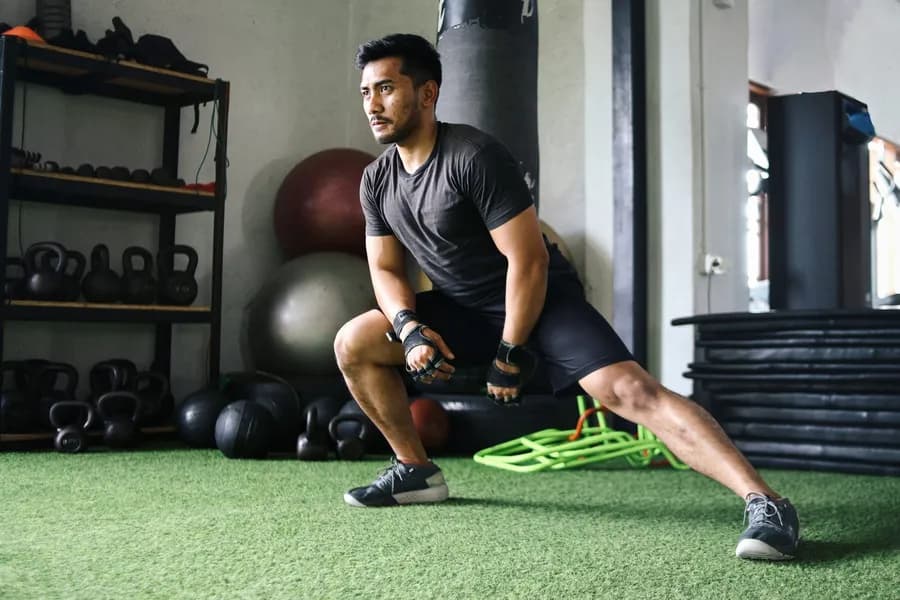
Glute Exercises for Men: Build Strength, Power, and Stability
Hip thrusts, Romanian deadlifts, and glute bridges build lower-body power and support athletic performance — with results in six to twelve weeks. See why glutes matter for men’s training.
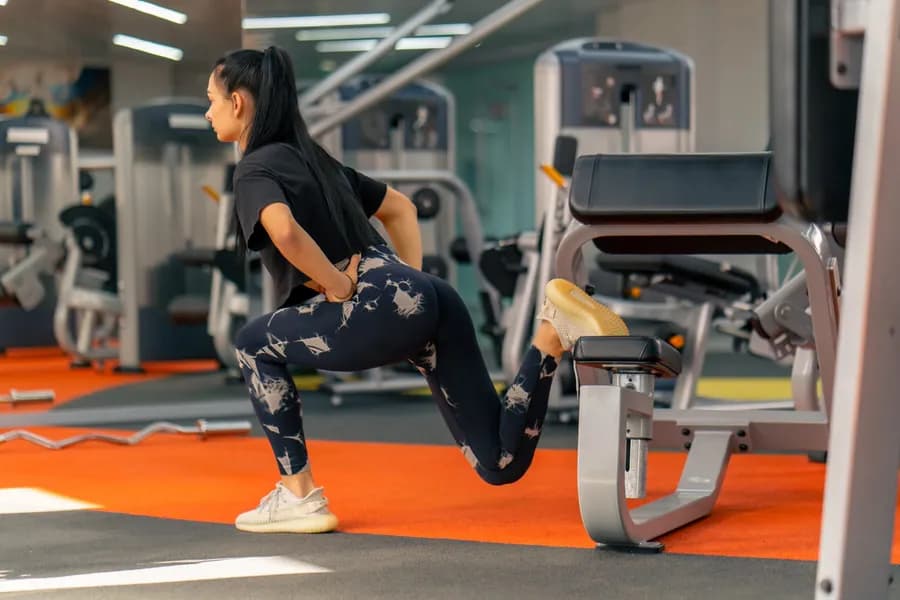
Glute Exercises for Women: Benefits, Best Moves & How to Get Started
Bridges, squats, and clamshells build lower-body strength and improve posture, using nothing more than bodyweight. See the best moves to get started.