
Mudra for High BP: Best Hand Gestures to Lower Blood Pressure
Practice mudra for high BP with Habuild. Follow the best hand gesture steps to lower blood pressure, calm the nervous system, and support heart health. Start!
Key Takeaways
- Names Varun, Gyan, and Apana Vayu as the three primary mudras for high blood pressure.
- Varun Mudra’s water activation is used to cool the excess Pitta fire element behind hypertension.
- Works by reducing cortisol and adrenaline through direct parasympathetic activation.
- Framed strictly as complementary support alongside prescribed medical management.
- Consistent practice with cooling breathing protocols is linked to improved heart rate variability.
- Addresses hypertension through reduced peripheral vascular resistance via the vagal pathway.
Mudra for high BP encompasses yogic hand gestures that lower blood pressure through parasympathetic nervous system activation, cooling of the fire element, and reduction of the stress-driven Vata excess that drives essential hypertension. Primarily Varun Mudra (water activation), Gyan Mudra (mental calming), and Apana Vayu Mudra (cardiac support), they provide meaningful complementary support for hypertension management.
What is Mudra for High BP?
Mudra for high BP encompasses the yogic hand gestures and associated breathing practices that reduce blood pressure through parasympathetic nervous system activation, cooling elemental balance, and the mental calming that addresses the stress-driven hypertension component. High blood pressure in its most common form — essential hypertension — is driven primarily by the chronic sympathetic nervous system activation that stress, anxiety, and the modern high-intensity lifestyle produce.
The primary mudras for high BP — Gyan Mudra (mental calming), Varun Mudra (cooling water activation), and Apana Vayu Mudra (cardiac support) — address hypertension through the parasympathetic pathway that all relaxation-based interventions share: reducing cortisol and adrenaline, lowering heart rate, reducing peripheral vascular resistance, and improving the autonomic nervous system balance that blood pressure regulation requires.
At Habuild, mudras for high BP are taught as part of our comprehensive cardiovascular health programme — with correct formations, cooling breathing protocols, and the medical context that ensures these practices are used safely and effectively as complementary support alongside prescribed medical management.
Mudra for High BP Benefits
Physical Benefits
- Activates the Parasympathetic Nervous System All effective blood pressure-reducing mudras work through parasympathetic activation — the rest-and-digest nervous system state that opposes the sympathetic fight-or-flight activation that chronic stress maintains. Parasympathetic activation reduces heart rate, peripheral vascular resistance, and circulating stress hormones — producing a direct reduction in blood pressure through the autonomic nervous system pathway.
- Cools the Excess Fire Element Associated with Hypertension In Ayurvedic understanding, hypertension is a Pitta (fire and water) excess condition — the excess fire of the cardiovascular system manifesting as increased vascular pressure. Varun Mudra’s water activation and Gyan Mudra’s air-fire balance specifically address this elemental hypertension pattern by cooling the system and restoring elemental equilibrium.
- Supports Cardiovascular Function Through Regular Practice Consistent daily mudra practice with the appropriate cooling breathing protocols produces progressive improvement in heart rate variability — a key marker of cardiovascular health and autonomic nervous system balance — making mudra practice a meaningful long-term cardiovascular health investment alongside lifestyle modification.
Mental Benefits
- Reduces the Primary Driver of Essential Hypertension — Chronic Stress The leading cause of essential hypertension is chronic psychological stress — the ongoing sympathetic activation that keeps the cardiovascular system in a pressurised state. Mudra for high BP combined with slow extended-exhale breathing directly addresses this primary driver, producing both immediate blood pressure reduction during practice and cumulative autonomic balance improvement over weeks.
How to Practise Mudra for High BP — Step-by-Step Daily Protocol
Key Principles
Key Principles Never reduce or adjust blood pressure medication without medical guidance. These mudras are complementary practices that support medical management — not replacements. The breathing protocol is equally important as the mudra formation: the extended exhale ratio is the primary mechanism of blood pressure reduction.
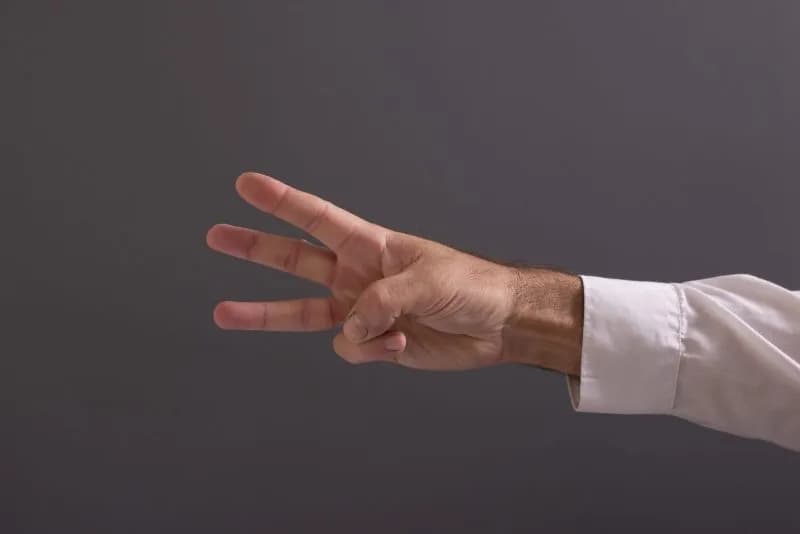
Daily Protocol — Step by Step Step 1: Morning Seated Position Sit in Sukhasana, spine erect, in a quiet environment — ideally before medication and meals. Take five natural breaths to settle before beginning.
Step 2: Gyan Mudra with Nadi Shodhana — 5 Minutes Form Gyan Mudra in both hands (index tip to thumb tip, fingers extended). Practise Nadi Shodhana pranayama — alternate nostril breathing — for five minutes with the breath ratio of four counts inhale, eight counts exhale (2:1 exhale ratio).
Step 3: Varun Mudra with Chandrabhedana — 10 Minutes Form Varun Mudra in both hands (little finger tip to thumb tip). Switch to Chandrabhedana pranayama — left nostril breathing only — for ten minutes, maintaining the extended exhale ratio. Left nostril breathing specifically activates the cooling, parasympathetic lunar channel.
Step 4: Apana Vayu Mudra with Cardiac Breathing — 10 Minutes Form Apana Vayu Mudra in both hands. Continue slow, deep cardiac-directed breathing — each inhale expanding the chest, each exhale directed from the heart with the intention of releasing cardiovascular tension.
Step 5: Rest in Sukhasana — 2 Minutes Return both hands to the lap in Dhyana Mudra (palms upward, right hand resting in left). Allow the breath to return to completely natural rhythm. Observe the quality of calm established through the twenty-five-minute protocol before transitioning.
The Blood Pressure-Reducing Breathing Protocol The breathing protocol for mudra for high BP — four counts inhale, eight counts exhale (2:1 exhale ratio) — is the primary physiological mechanism of the practice. The extended exhale activates the vagal brake, reflexively slowing heart rate and reducing blood pressure. Avoid forceful breathing techniques like Kapalbhati, which can temporarily elevate blood pressure through increased intrathoracic pressure.
Preparatory Practices Before Mudra for High BP
These practices create the calm physical and mental conditions that maximise the blood pressure-reducing effect of the mudra protocol.
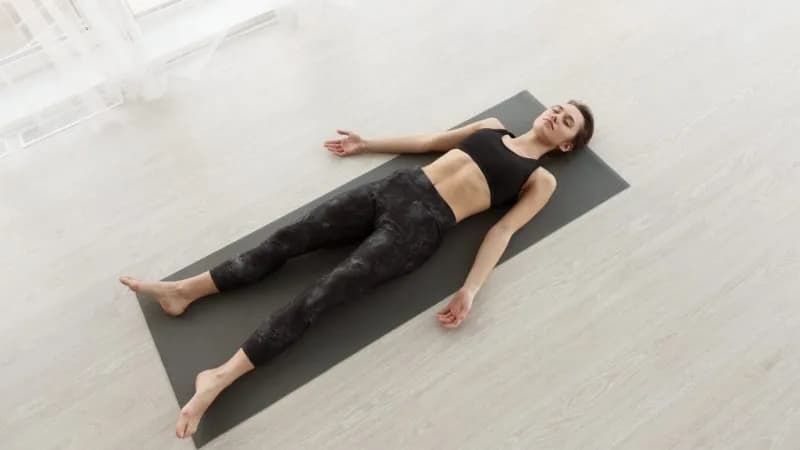
- Savasana (5 minutes) — Complete physical relaxation before seated practice reduces the baseline sympathetic activation.
- Viparita Karani Mudra (10 minutes) — Gravitational circulatory reversal creates the optimal parasympathetic state before the mudra protocol.
- Gentle Bhramari (Humming Bee Pranayama, 5 rounds) — Vagal activation through the extended resonant exhale before the mudra practice.
Variations of the High BP Mudra Practice
- Variation 1: Single Mudra Practice — Beginner Protocol For those beginning mudra practice, focusing on a single mudra — Gyan Mudra with slow Nadi Shodhana breathing for fifteen minutes — delivers meaningful blood pressure support without the complexity of the full protocol. Build to the complete sequence over two to three weeks.
- Variation 2: Complete 25-Minute Protocol — Standard Daily Practice The complete three-mudra sequence described in the step-by-step instructions. This is the recommended daily practice for practitioners seeking consistent blood pressure support as a complementary practice.
- Variation 3: Viparita Karani with Varun Mudra — Extended Restorative Practising Varun Mudra during a fifteen-to-twenty minute Viparita Karani Mudra (Legs Up the Wall) hold combines the circulatory reversal of the inversion with the cooling water-element activation of the mudra — producing the most profoundly cooling and blood-pressure-reducing combined practice available in yoga.
Common Mistakes to Avoid in Mudra for High BP
- Using Heat-Generating Mudras and Pranayama Avoid Linga Mudra, Surya/Agni Mudra, and vigorous Kapalbhati — all of which generate heat and can temporarily elevate blood pressure through sympathetic activation and fire element increase. Stick exclusively to cooling, calming mudras and pranayama practices.
- Discontinuing Medication Without Medical Guidance The most dangerous potential error in any complementary practice for hypertension. Mudra practice reduces blood pressure through parasympathetic activation — it does not address the underlying physiological mechanisms that medication manages. Always maintain prescribed medication and consult your doctor before making any changes.
- Practising During Acute Hypertensive Episodes During an acute hypertensive episode, mudra practice alone is insufficient — immediate medical attention is required. Mudra for high BP is a preventive and supportive daily practice, not an acute intervention.
The Three Primary Mudras for High BP
- Gyan Mudra — Mental Calming and Parasympathetic Activation Index tip to thumb tip, remaining three fingers extended — the primary meditation mudra whose mental calming and parasympathetic activation make it the most universally applicable blood pressure-supporting mudra. Practise with slow Nadi Shodhana or Chandrabhedana pranayama for maximum blood pressure reduction. The most appropriate mudra to begin with for any practitioner new to mudra for high BP practice.
- Varun Mudra — Cooling and Water Activation Little finger tip to thumb tip, remaining three fingers extended — activating the water element to cool the excess fire element of hypertension, improve kidney function relevant to blood pressure regulation, and provide the systemic cooling that vascular health requires. Varun Mudra is particularly appropriate for practitioners whose hypertension is associated with inflammatory or excess-heat patterns.
- Apana Vayu Mudra — Cardiac Support and Prana Direction Index finger folded to thumb base, with middle and ring finger tips touching the thumb tip — the cardiac prana-directing mudra that specifically supports heart health, reduces cardiac stress, and is one of the most consistently recommended mudras in classical yoga for cardiovascular wellbeing. Practise for fifteen to thirty minutes daily for comprehensive cardiovascular support.
Start your 14 day free yoga journey with Habuild, today!
Related reads: Mudra for Hypertension: Best Gestures for Heart Health and Calm · Sleeping Mudra: Best Hand Gestures to Fall Asleep Faster
No single hand gesture changes blood pressure on its own, but held daily as a calming addition to whatever your doctor has recommended, this mudra can support the general sense of ease that comes with slower, steadier breathing. That supportive effect builds through consistent practice, not a single anxious five-minute session. Habuild’s Yoga Everyday program builds calming techniques like this into a consistent daily flow.
Frequently Asked Questions
Related Articles
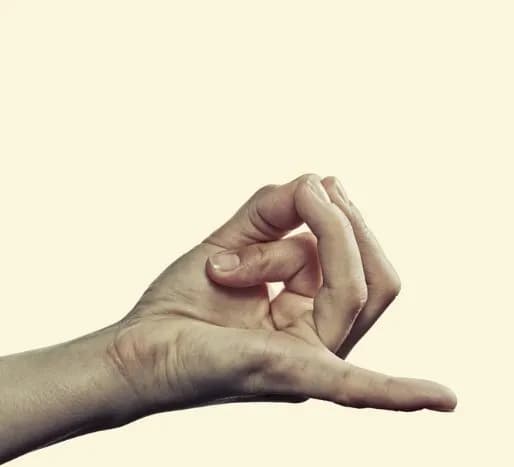
Apana Vayu Mudra: How to Practice and Its Benefits for Heart Health
Practice Apana Vayu Mudra with Habuild. Follow the heart gesture steps to support heart health, reduce palpitations, and calm the nervous system. Start today!
Heart Mudra: How to Practice and Its Benefits for Emotional Balance
Try Heart Mudra with Habuild. Follow heart mudra yoga steps and benefits to open the heart, enhance love, and deepen meditation practice.
Kubera Mudra (Prosperity Gesture): Steps Benefits and Precautions
Master Kubera Mudra with Habuild. Learn how to do kubera mudra and its benefits for attracting wealth, abundance, and positive energy daily.