
Eka Pada Rajakapotasana (Pigeon Pose): Steps and Hip Opening Benefits
Practice Eka Pada Rajakapotasana with Habuild. Follow the pigeon pose steps to open your hips, boost flexibility, and relieve lower back pain. Start today!
Key Takeaways
- The front leg’s external rotation and back leg’s extension stretch both hips at once.
- Chronically tight hip flexors anteriorly tilt the pelvis, directly compressing the lumbar spine.
- Taught from restorative Sleeping Pigeon through to the advanced backbend expression.
- The hips are widely described as a primary site where emotional tension gets physically stored.
- Deep hip opening here frequently triggers an emotional release alongside the physical one.
- Uses blankets, blocks, and straps to make this deep opener accessible at every stage.
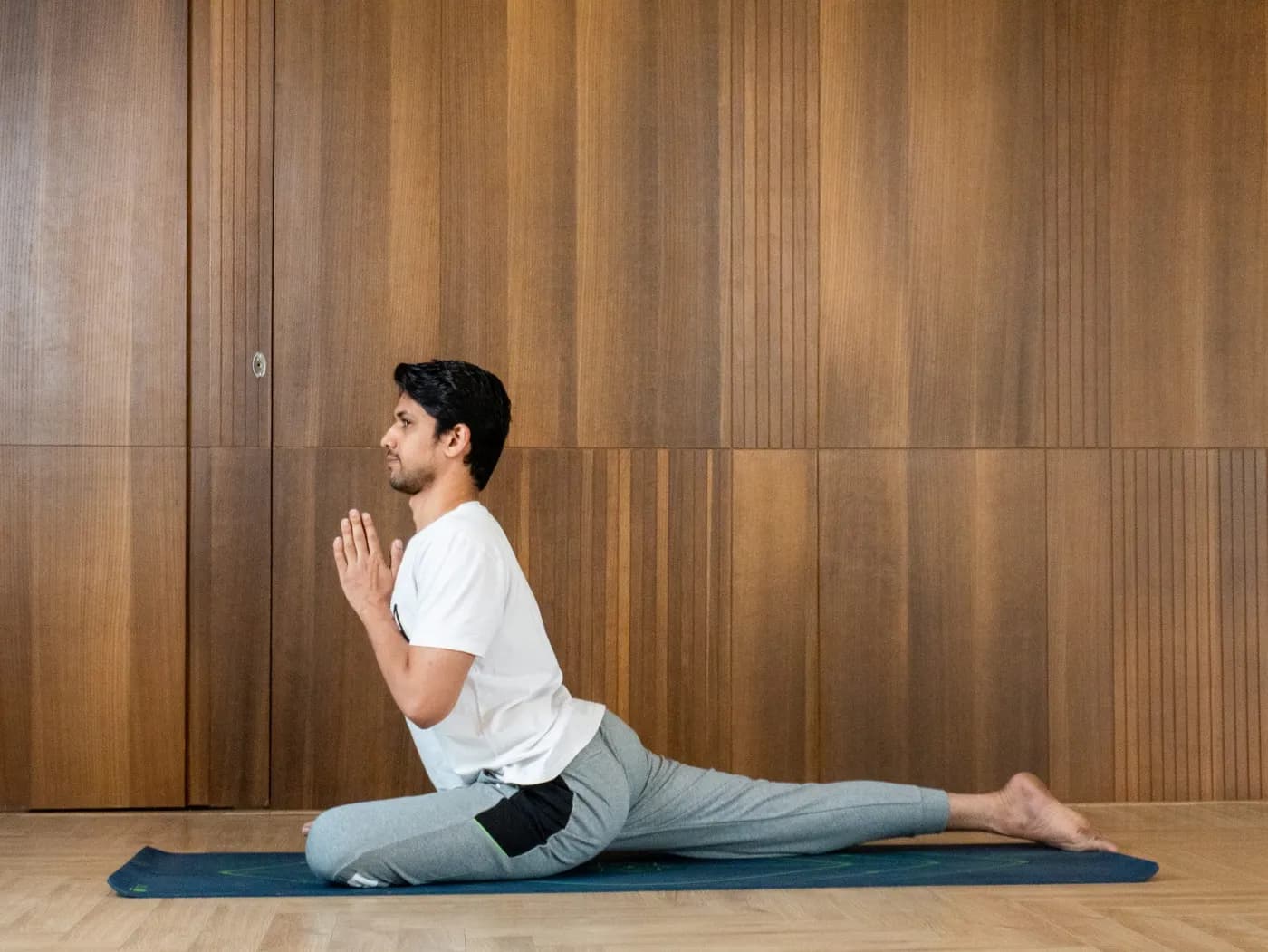
Eka Pada Rajakapotasana, or One-Legged King Pigeon Pose, simultaneously stretches the hip external rotators and hip flexors, relieves lower back pain, stimulates pelvic circulation, and releases stored emotional tension from the hips. It supports pelvic and reproductive health. Suitable for all levels from the restorative Sleeping Pigeon through to the advanced backbend expression.
What is Eka Pada Rajakapotasana?
Eka Pada Rajakapotasana — known in English as One-Legged King Pigeon Pose — takes its name from Sanskrit: Eka (one), Pada (foot or leg), Raja (king), Kapota (pigeon or dove), and asana (posture). The name captures the characteristic shape — the inflated, puffed-chest position of the upper body resembles a pigeon proudly displaying its chest, while the legs create the strong, grounded foundation.
Eka Pada Rajakapotasana is one of yoga’s most powerful hip-opening postures. The front leg positioned in external rotation and the back leg extended in the rear create a simultaneous external rotation stretch of one hip and a deep hip flexor stretch of the other — addressing the chronic hip tightness that desk-based lifestyles, running, and cycling produce in virtually every adult practitioner.
At Habuild, Eka Pada Rajakapotasana is taught in both its preparatory Sleeping Pigeon form and its active upright form — with progressive modifications using blankets, blocks, and strap support to make this deep hip opener accessible at every stage of hip development.
Eka Pada Rajakapotasana Benefits
Physical Benefits
- Opens the Hips Comprehensively — External Rotators and Hip Flexors Simultaneously Eka Pada Rajakapotasana provides one of the deepest combinations of hip external rotation stretch and hip flexor lengthening available in yoga. The piriformis, psoas, iliacus, and TFL all receive a sustained stretch that relieves the chronic tightness from prolonged sitting — unlocking the range of motion that all lower-body yoga postures depend on.
- Relieves Lower Back Pain and Decompresses the Lumbar Chronically tight hip flexors anteriorly tilt the pelvis, compressing the lumbar vertebrae and generating lower back pain that affects the majority of desk workers. The deep psoas release in Eka Pada Rajakapotasana directly decompresses the lumbar spine — making it one of the most therapeutic postures for lower back pain management.
- Stimulates the Pelvic Region and Supports Reproductive Health The sustained compression and circulation stimulation in the pelvic region improves blood flow to the reproductive organs — making the pose a valuable component of programmes for menstrual health and reproductive wellbeing.
- Releases Stored Emotional Tension from the Hips The hips are widely recognised as a primary location for stored emotional tension. Deep, sustained hip-opening postures like Pigeon Pose frequently trigger emotional release alongside the physical release — producing a quality of relief and catharsis that is uniquely characteristic of this posture.
Mental and Emotional Benefits
- Calms the Nervous System and Supports Sleep and Hormonal Balance The profound physical release of the deep hip hold activates the parasympathetic nervous system — making the Sleeping Pigeon variation particularly effective as an evening practice for stress-related sleep disruption and nervous system restoration.
How to Do Eka Pada Rajakapotasana — Step-by-Step Instructions
Key Principles
Key Principles Three principles govern safe Pigeon Pose: align the front shin as parallel to the front of the mat as hip flexibility allows — never force the shin parallel before the hip is ready; keep the hips level — do not allow the hip of the forward leg to collapse to the floor (blanket support prevents this); and breathe throughout — the hip flexors and external rotators release only under sustained, relaxed breath.
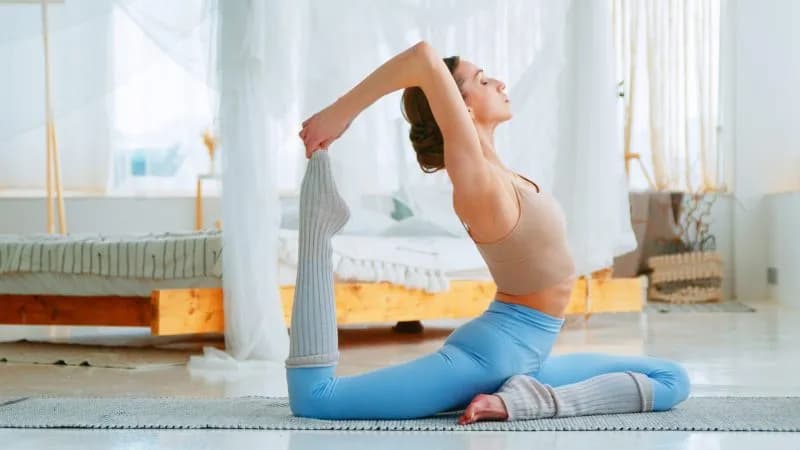
Eka Pada Rajakapotasana — Step by Step Step 1: Start in Downward-Facing Dog Begin in Adho Mukha Svanasana (Downward-Facing Dog). This is the standard entry point for Pigeon Pose in a flowing practice.
Step 2: Bring the Right Knee Forward On an exhale, bring the right knee forward toward the right wrist, placing the right shin on the mat. The shin angle depends on current hip flexibility — do not force it more parallel than the hip allows.
Step 3: Lower and Level the Hips Lower the right hip toward the mat. If it does not reach comfortably, place a folded blanket under the right hip — this is essential for keeping the hips level and protecting the front knee from rotational strain.
Step 4: Extend the Left Leg Extend the left leg straight behind — knee and top of foot on the mat, toes pointing back. Square the hips toward the front of the mat as much as possible.
Step 5: Choose the Expression — Sleeping or Upright Pigeon For Sleeping Pigeon: fold the torso forward, resting the forehead on stacked hands. For Upright Pigeon: rise onto fingertips, lifting the chest. Hold for five to fifteen breath cycles — thirty seconds to two minutes.
Step 6: Release and Switch Sides To release: press back into Downward Dog and repeat on the left side. Always hold both sides for equal duration.
Breathing in Eka Pada Rajakapotasana
Breath is the entire mechanism of release in Pigeon Pose. The hip flexors and external rotators release only under sustained, completely relaxed breath — any holding of breath or forcing creates muscular bracing that prevents the deep stretch from penetrating. Exhale into the release; inhale to find length. The Sleeping Pigeon held for two to three minutes with slow, deep belly breathing provides the deepest release.
Preparatory Poses Before Eka Pada Rajakapotasana
These poses warm the hips, hip flexors, and IT band before the deep Pigeon Pose hold.
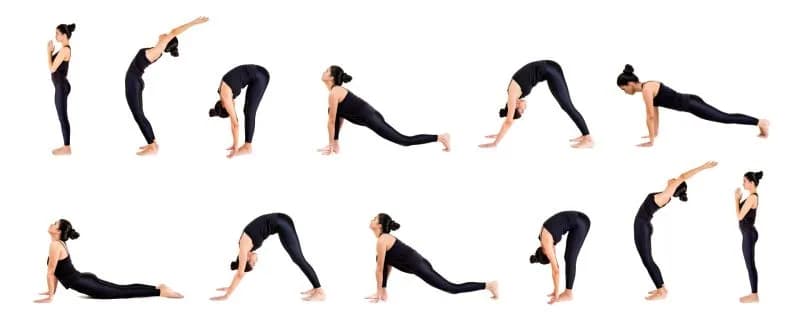
- Surya Namaskara (3 rounds) with lunges — Warms the hip flexors and external rotators before the deep asymmetric stretch.
- Low Lunge (Anjaneyasana, 30-60 seconds per side) — Specifically warms the hip flexor of the back leg — the structure Pigeon Pose stretches most deeply.
- Thread-the-Needle (supine or standing Figure-4) — Warms the piriformis and external rotators of the front leg directly.
Variations of Eka Pada Rajakapotasana
- Variation 1: Sleeping Pigeon — Restorative (Beginner and Therapeutic) Forward fold over the front leg — forehead resting on stacked hands or a block. The recommended starting form — ideal for beginners, those with tight hips, and anyone holding the pose for two to five minutes in a Yin or restorative context.
- Variation 2: Upright Pigeon — Intermediate Torso rises upright with hands pressing the floor beside the hips, chest open. Adds the anterior chest stretch and spinal extension that the forward fold does not provide — requires greater hip flexibility for comfortable upright positioning.
- Variation 3: Full Eka Pada Rajakapotasana — Advanced The back foot is lifted and clasped overhead — requiring full hip flexor extension, deep spinal backbend, and shoulder flexibility simultaneously. Only approached under direct expert supervision after thorough preparation.
Common Mistakes to Avoid in Eka Pada Rajakapotasana
- Front Hip Collapsing to One Side The hip of the forward leg collapsing to the floor rather than being supported level is the most common alignment error — creating rotational stress on the front knee and preventing the balanced hip stretch the pose is designed to deliver. Always use a blanket under the forward hip.
- Forcing the Front Shin Parallel Before the Hip Allows It The shin angle must reflect current hip flexibility — not an aspirational target position. Forcing the shin more parallel than the hip can comfortably support places extreme rotational stress on the knee. Work with the angle the hip provides and allow it to increase naturally over weeks.
- Holding the Breath Throughout the Hold Sustained breath-holding during the Pigeon hold is the primary obstacle to the deep hip release the pose delivers. The hip flexors and external rotators soften only with consistently relaxed, natural breath. Any breath-holding creates the muscular bracing that prevents the release.
Who Should Practise Eka Pada Rajakapotasana?
- Those with Chronic Hip Tightness from Desk Work, Running, or Cycling Eka Pada Rajakapotasana is the single most effective yoga posture for the chronic hip flexor and external rotator tightness that desk work, running, and cycling produce. Even the Sleeping Pigeon modification produces immediate and lasting relief.
- Women Seeking Pelvic and Reproductive Health Benefits The pelvic stimulation, circulation improvement, and potential hormonal regulation benefits make Eka Pada Rajakapotasana a cornerstone of therapeutic yoga for women’s reproductive health.
- Is Eka Pada Rajakapotasana Good for Beginners? Yes — the Sleeping Pigeon with blanket under the forward hip is accessible and therapeutic from early in yoga practice. The key is the blanket support and the relaxed breath throughout the hold.
Make Eka Pada Rajakapotasana a Part of Your Daily Practice
Eka Pada Rajakapotasana is the yoga tradition’s most comprehensive and emotionally resonant hip-opening posture — its simultaneous external rotation stretch and hip flexor lengthening delivering the most targeted relief for the hip tightness that modern life consistently creates.
Whether you are using the supported Sleeping Pigeon as a daily evening recovery practice, developing the upright expression, or working toward the full backbend, every consistent hold of Pigeon Pose progressively opens the hips, relieves the lower back, and releases the emotional holdings that deep hip-opening practice uniquely reaches.
The most effective way to learn Eka Pada Rajakapotasana correctly — with hip-levelling blanket support, breath guidance, and shin-angle safety instruction — is under live expert guidance with Habuild.
Start your 14 day free yoga journey with Habuild, today!
Related reads: Supta Konasana (Reclined Angle Pose): Steps and Hip Benefits · Bhadrasana (Gracious Pose): Steps and Hip Flexibility Benefits
Tight hips rarely loosen from a single pigeon pose session — they respond to being stretched at roughly the same time, in roughly the same way, week after week. Once the shape becomes familiar to your body, the lower back tension that so often accompanies stiff hips starts to ease as a side effect. For that kind of steady, guided repetition, Habuild’s Yoga Everyday program walks you through pigeon pose and its variations as part of a complete daily routine.
Frequently Asked Questions
Related Articles
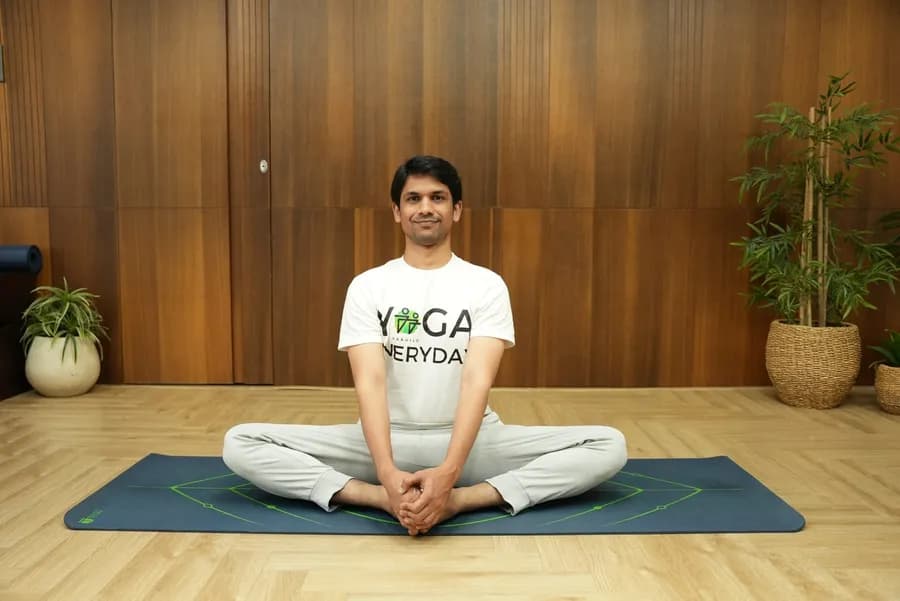
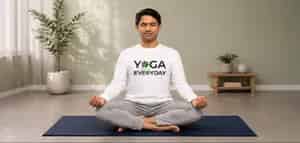
Baddha Konasana (Butterfly Pose): Steps and Hip Flexibility Benefits
Practice baddha konasana with Habuild. Try the baddha konasana pose to open your hips, improve flexibility, and calm your busy mind. Start your session today!
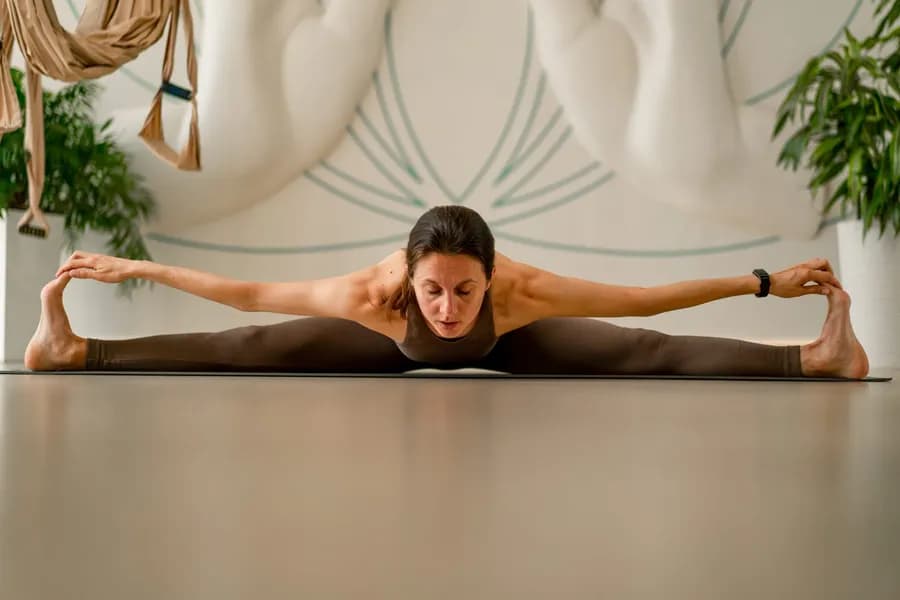
Upavista Konasana: Steps Benefits and Flexibility Guide
Practice Upavista Konasana with Habuild. Follow the seated wide-angle steps to open your hips, stretch your hamstrings, and build flexibility. Start today!
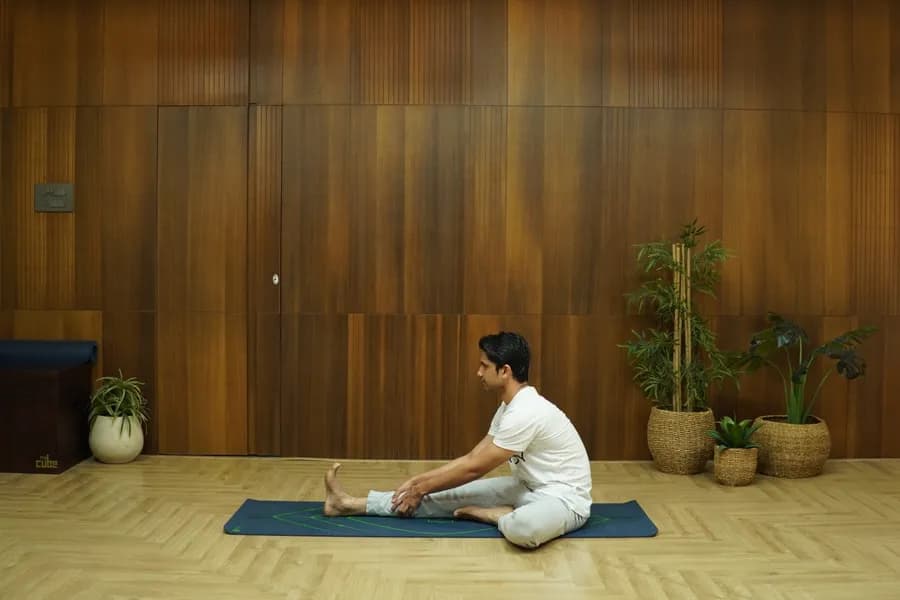
Janu Sirsasana (Head to Knee Pose): Steps and Key Benefits
Practice janu sirsasana with Habuild. Try the janu sirsasana pose to stretch your hamstrings, calm your mind, and improve flexibility. Start your session now!
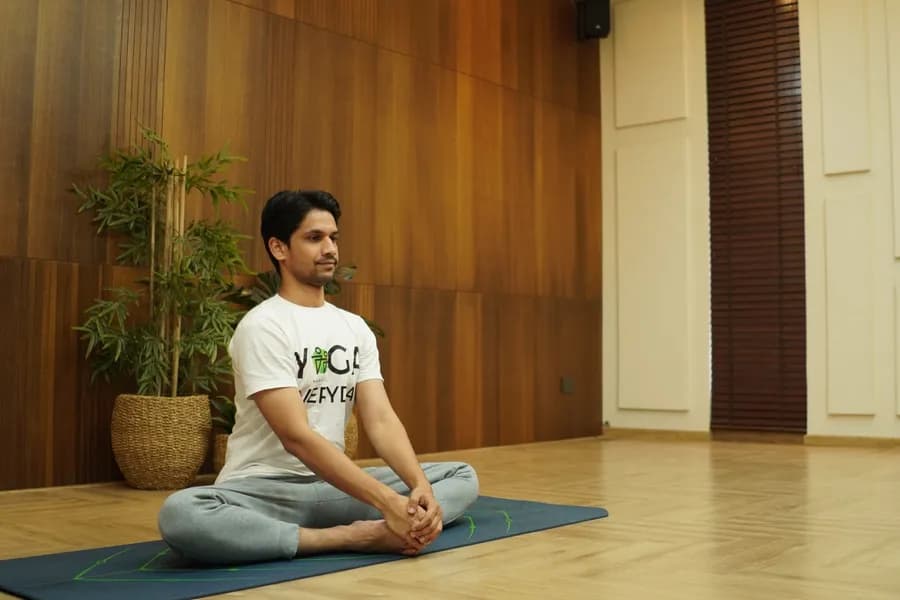
Bhadrasana (Gracious Pose): Steps and Hip Flexibility Benefits
Try bhadrasana with Habuild. Practice bhadrasana yoga to open the hips, calm the nervous system, and strengthen your pelvic floor. Start your session today!
Malasana (Garland Pose): Steps Hip and Digestive Health Benefits
Practice malasana with Habuild. Try the malasana pose to open your hips, strengthen your ankles, and improve digestion. Perfect for beginners. Start today!